Why some of Australia’s best restaurants are now in its best hotels
No longer an afterthought, hotel restaurants are increasingly drawcards in their own right.
By Staff Writers, May 18 2026
Accor x Executive Traveller
Not so long ago, hotel restaurants sat in the periphery – reliable, convenient, yet rarely the reason you chose to stay.
You checked in, dropped your bags, and headed out in search of a better meal.
Hotel restaurants were an amenity, not a drawcard… but that mindset is changing.
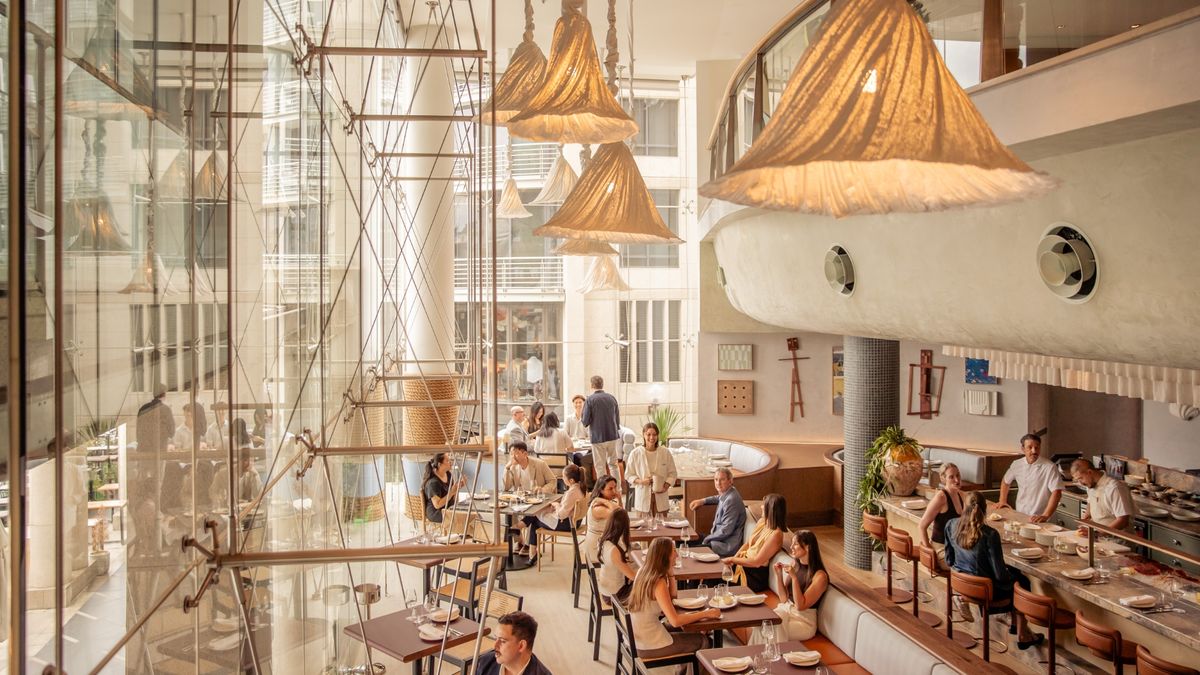
Across Australia, some of the most compelling restaurants are now found in hotels – no longer afterthoughts, but centrepieces.
Why? Simple: food has moved from a supporting role to a defining one, shaping itineraries as much as destinations.
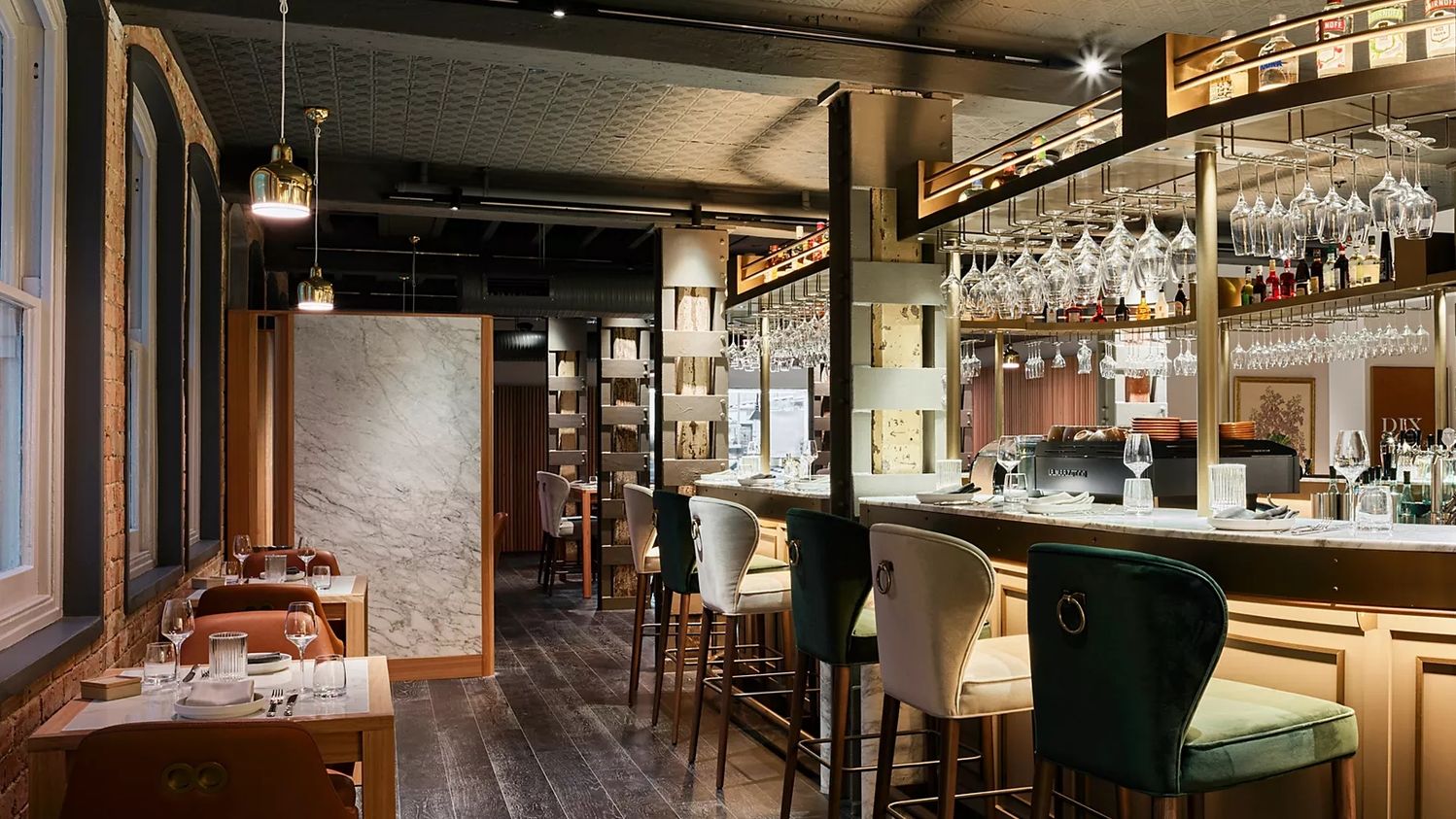
Restaurants like Lee Ho Fook, at The Porter House Hotel Sydney - MGallery Collection, have become a destination in their own right.
Once considered a niche, culinary tourism is now one of the fastest-growing sectors in global travel.
In 2025, it was valued at around AUD$22.79 billion, with projections forecasting growth to more than $107.57 billion by 2033 – an annual increase of almost 22 percent.
More telling is the behavioural shift underpinning these figures.
From seasoned travellers to Gen Z, we now demand more: venues with a sense of place, a story to tell, and enough substance to hold their own alongside the best restaurants in the city.
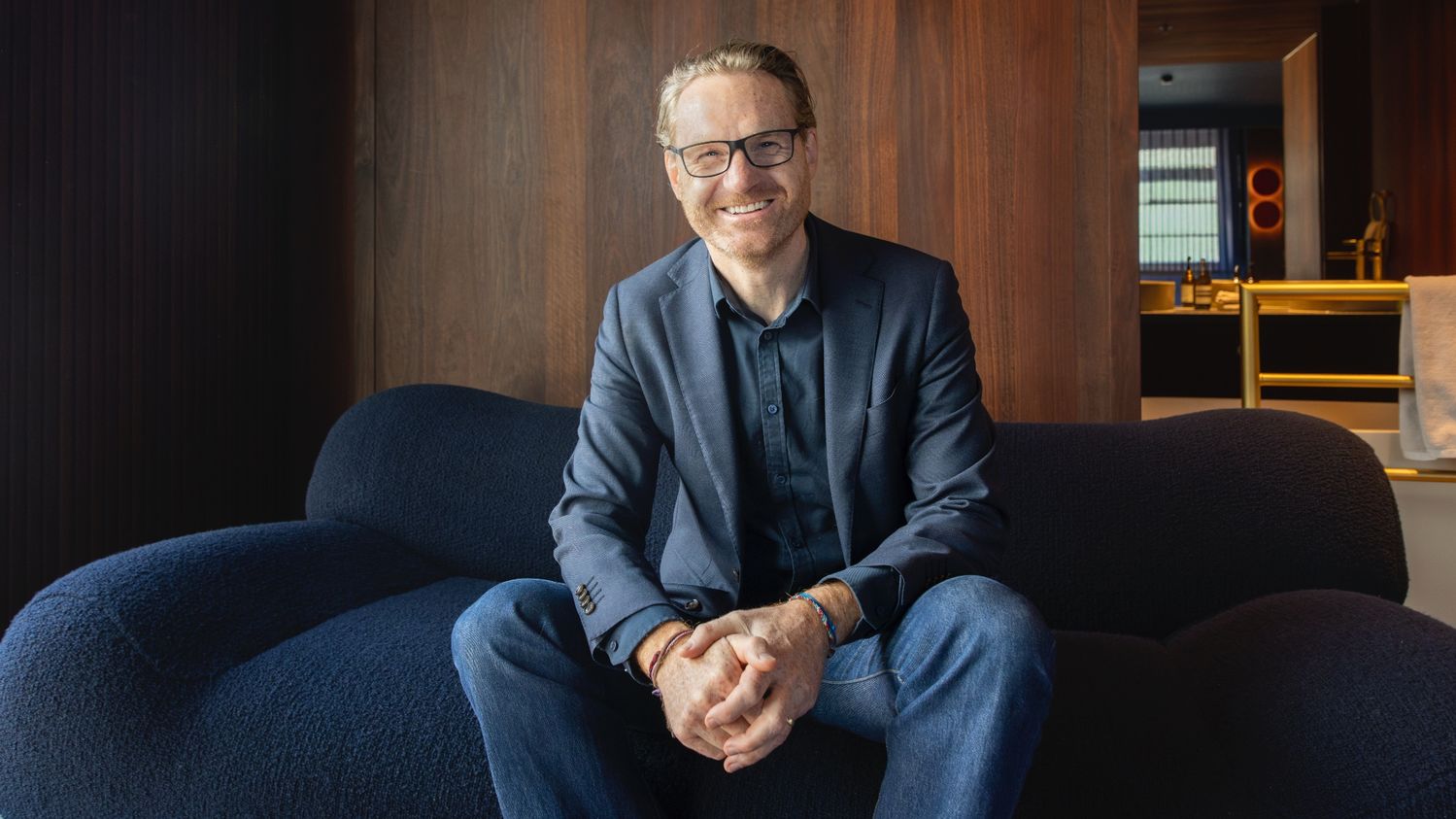
Accor's Pacific Chief Operating Officer, Adrian Williams.
For Accor, Australia’s largest hotel operator, the response has been decisive.
With over 440 restaurants, bars and eateries across the country, Accor has spent years refining its approach to dining and drinks – repositioning it as a pillar of the guest experience.
That renewed approach was cemented by the 2025 launch of Table For. This in-house advisory group unites dining, design and operational expertise, with collaboration from hospitality legends, such as Stefano Catino and Vince Lombardo from Maybe Sammy.
Adrian Williams, Chief Operating Officer for Accor in the Pacific region, sums up the new philosophy well: “Think less like a traditional hotel group and more like a world-class restaurant group.” The results are already visible.
At Pullman Quay Grand Sydney Harbour, two venues anchor the new experience.
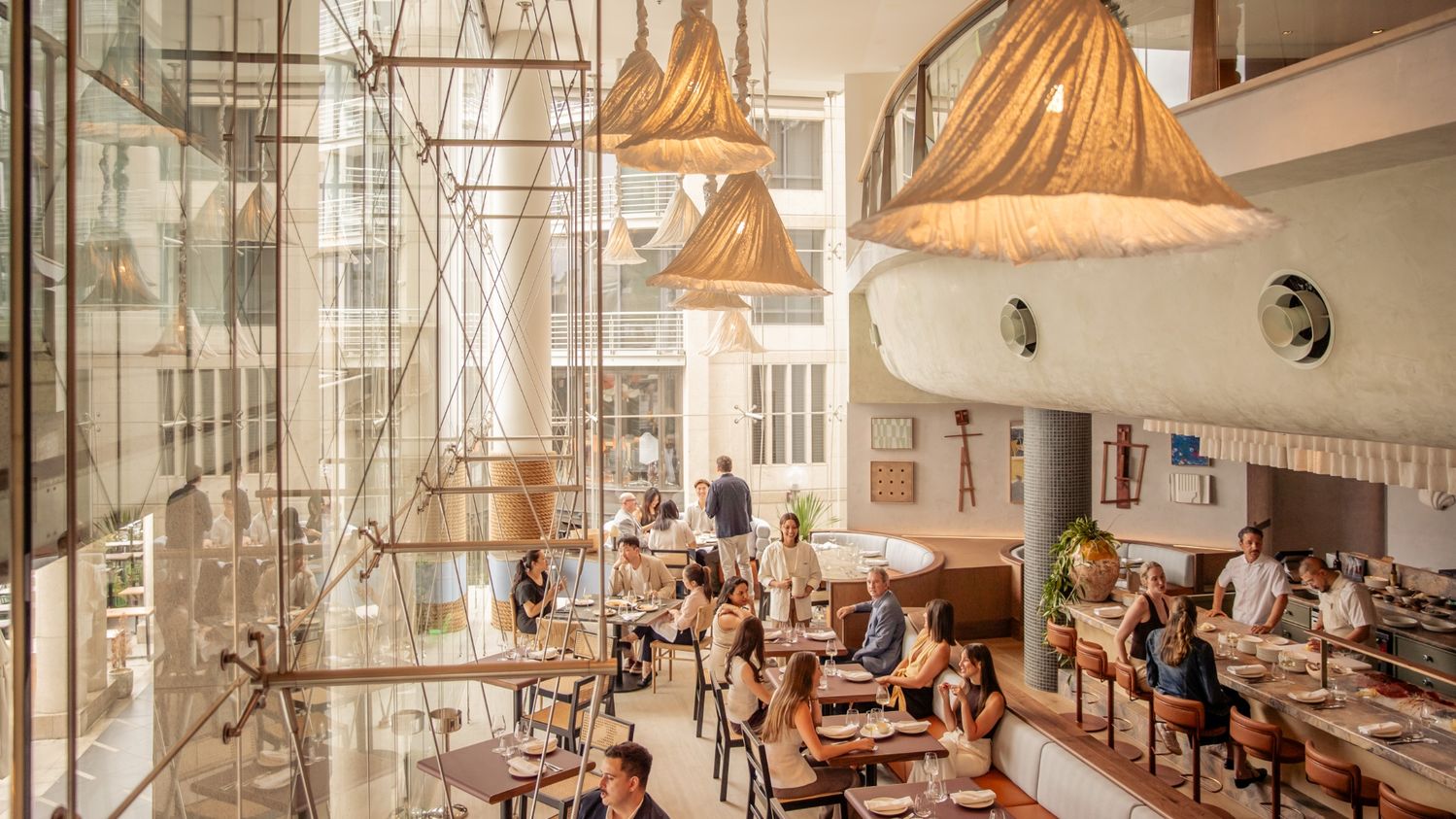
Flaminia brings the coastal cuisines of Italy to Pullman Quay Grand Sydney Harbour.
Flaminia explores the coastal cuisines of Italy, while El Vista pairs Latin American flavours with cool cocktails, while drawing on the glamour of 1960s Acapulco.
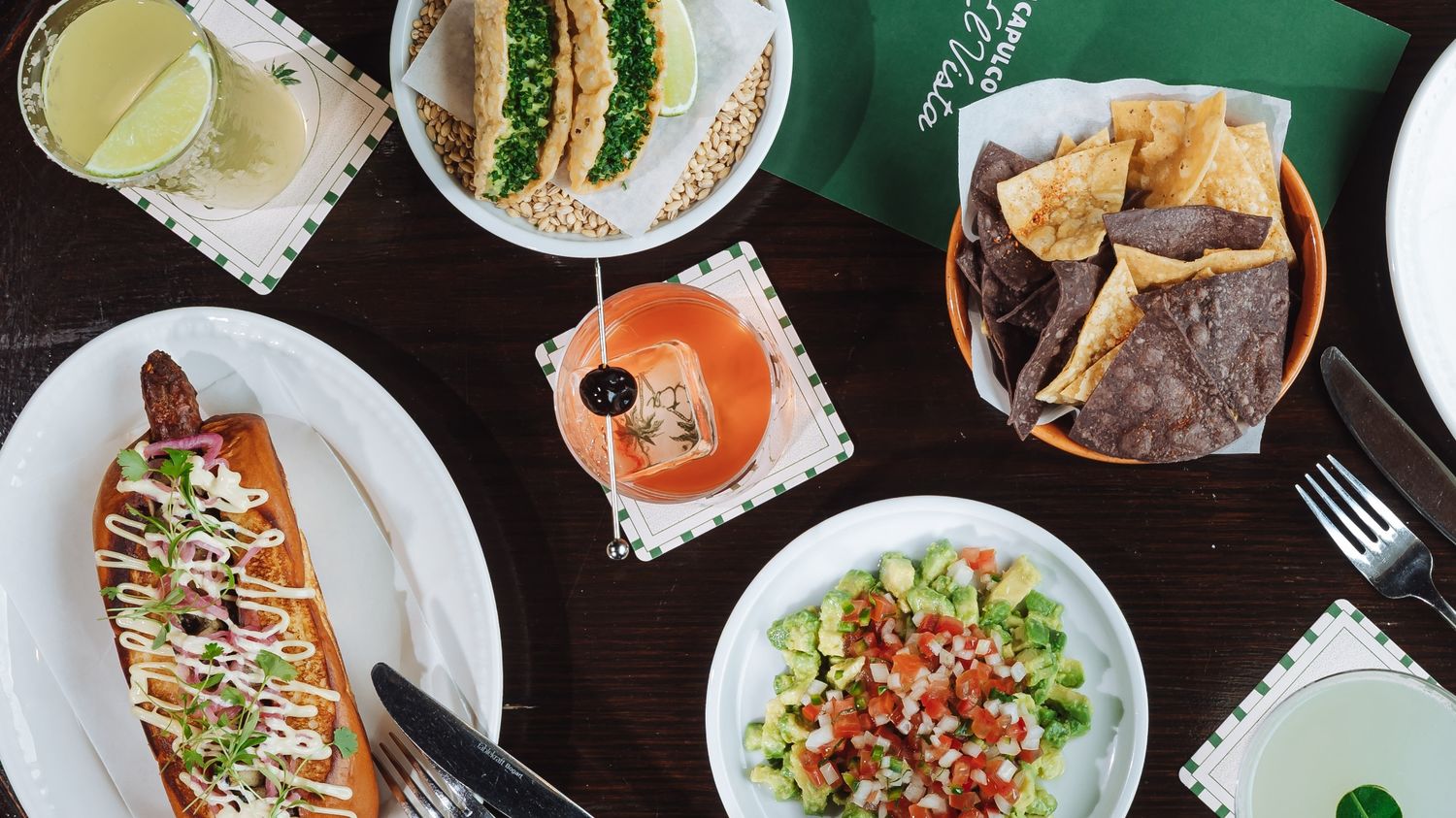
At Pullman Quay Grand Sydney Harbour, El Vista pairs Latin American flavours with cool cocktails.
These are design-led spaces with their own identities – destinations in their own right, and Flaminia has already made quite the name for itself, garnering two Hats in the 2026 Good Food Guide, with Chef Giovanni Pilu at the helm.
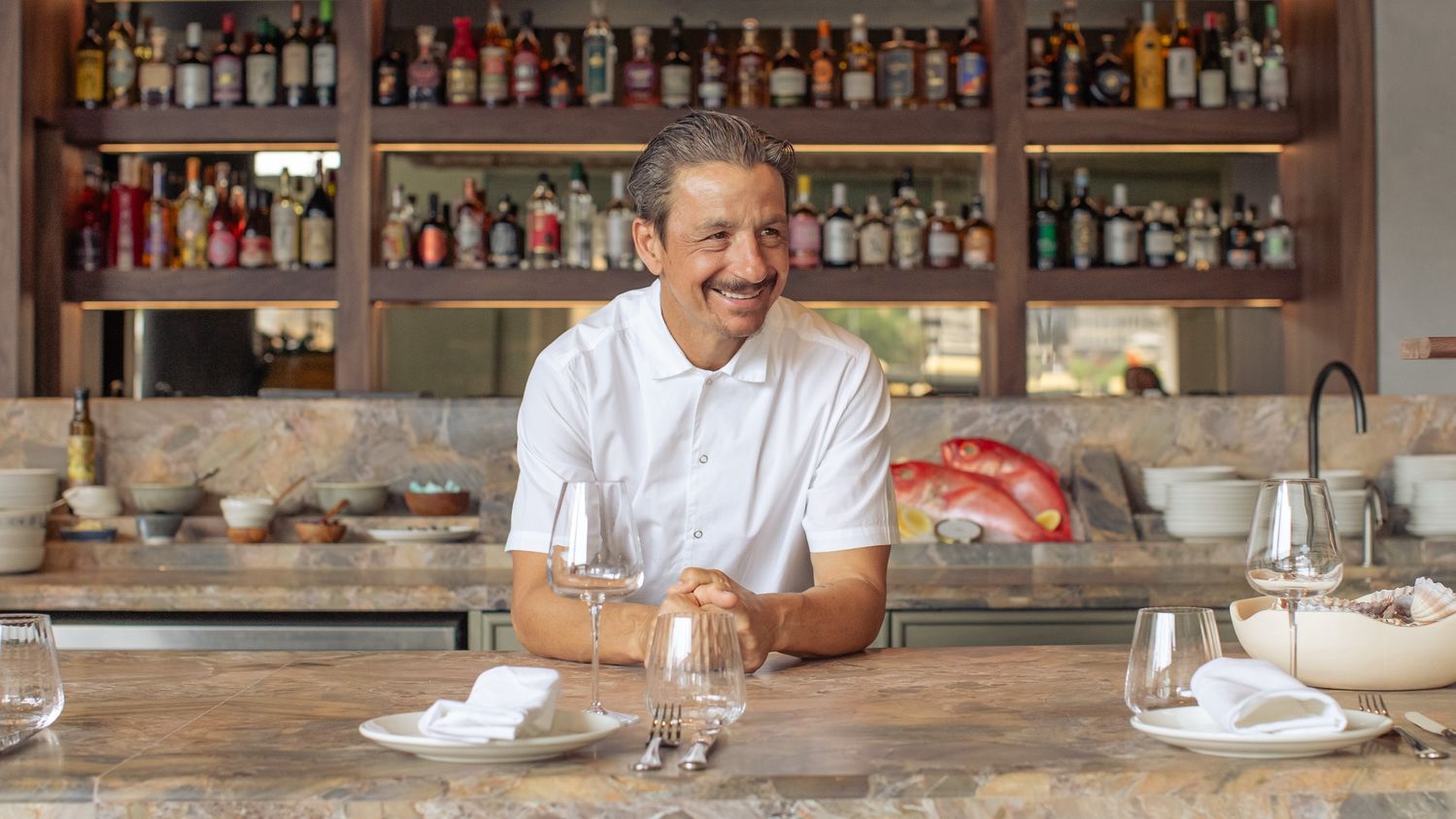
Chef Giovanni Pilu sits at the helm at Flaminia.
The emphasis on distinct personality is intentional. Today’s venues are conceived not only as places to dine, but as immersive environments – spilling into their surroundings, absorbing their energy and giving something back in return.
“We believe great hospitality should extend far beyond our front doors and into the local neighbourhood, engaging with the community and creating a true sense of place,” explains Williams.
“Our venues are designed to be social hubs where anyone can pop in for their morning espresso or enjoy a negroni after a day of exploring.”
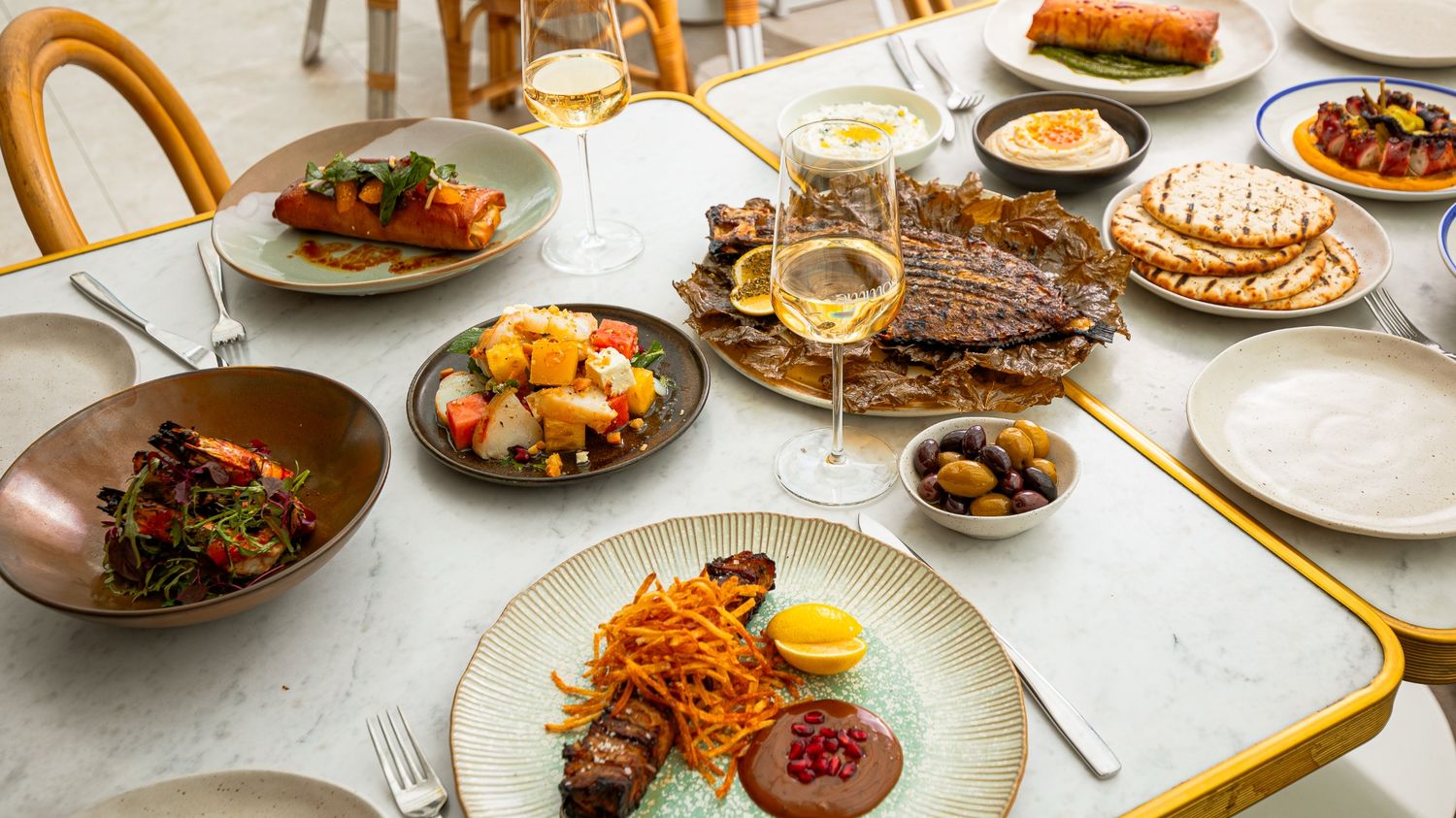
Enjoy Mediterranean-inspired dining at Ammos, The Brighton Hotel Sydney – MGallery Collection in Brighton-Le-Sands.
At The Brighton Hotel Sydney – MGallery Collection in Brighton-Le-Sands, that philosophy plays out across an entire dining precinct, where Mediterranean-inspired Ammos flows into poolside drinks at Sands Beach Club.
The effect is less a single destination than a seamless, European-styled social experience that resonates with locals and visitors equally.
At The Porter House Hotel Sydney - MGallery Collection, Lee Ho Fook brings a fresh take on Cantonese cuisine to the CBD.
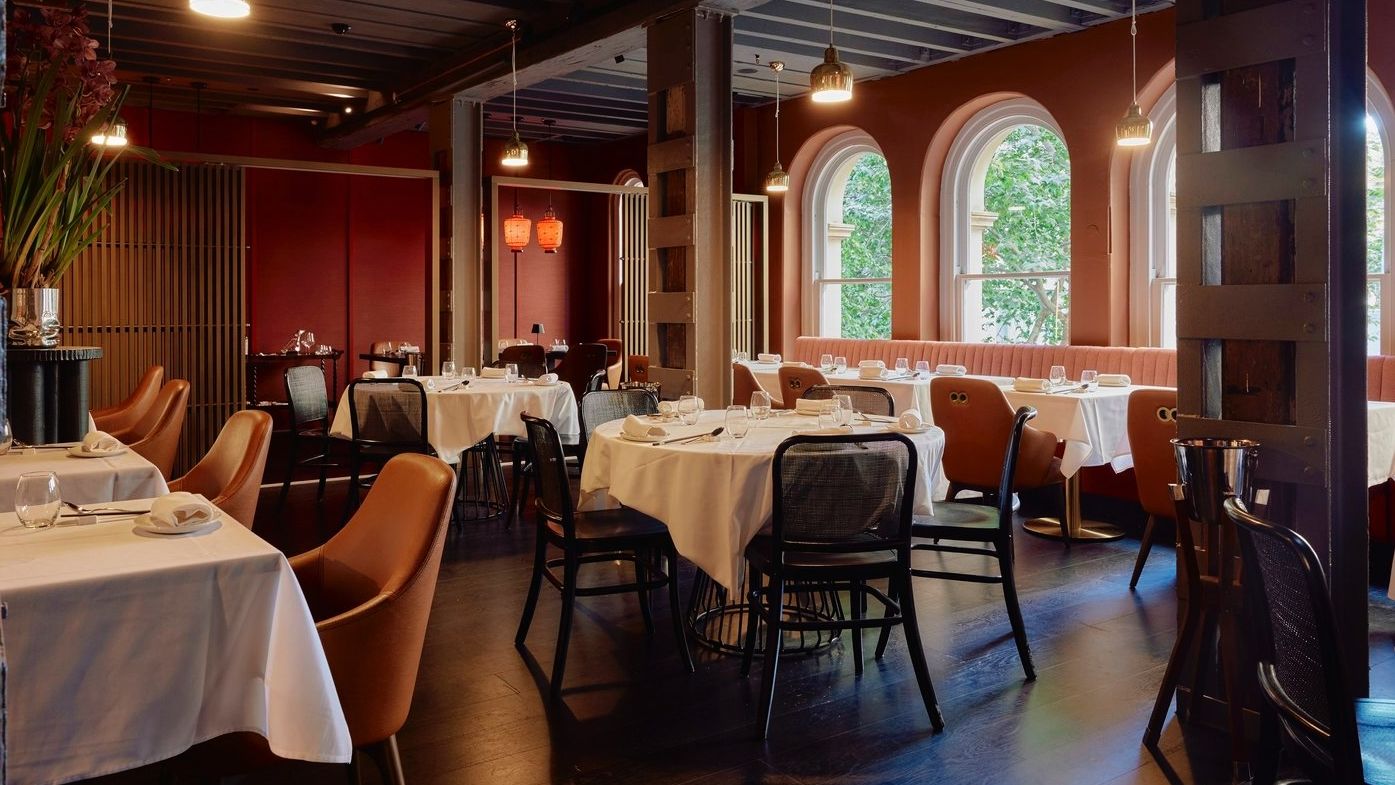
At The Porter House Hotel Sydney - MGallery Collection, Lee Ho Fook serves up a contemporary take on Cantonese cuisine.
Led by acclaimed two-hatted restauranter Victor Liong, Lee Ho Fook blends traditional technique with modern expression, delivering a dining experience that feels both refined and unexpected – a clear reflection of the hotel’s layered heritage and contemporary edge.
In Manly Pacific Hotel Sydney – MGallery Collection and now Elysium Noosa Resort – MGallery Collection, Cibaria – by acclaimed restaurateurs Alessandro and Anna Pavoni – channels the spirit of the Italian long lunch, with seasonal plates created to be shared.
It too has earned a Hat in the revered Good Food Guide bible.
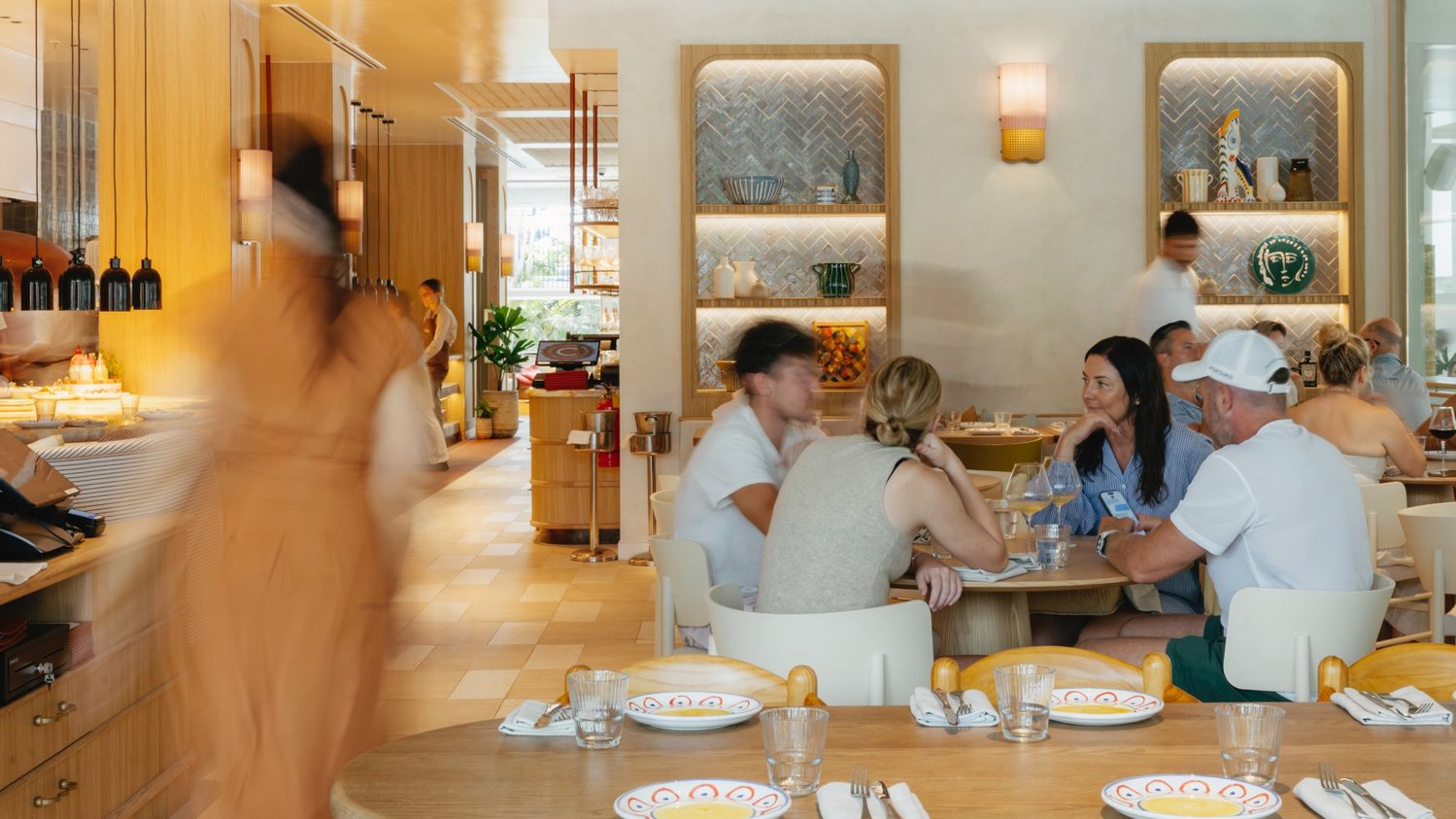
At Mantra 2 Bond Street in Sydney’s CBD, Bar Allora captures the rhythm of Milan, moving seamlessly from morning espresso to evening aperitivo.
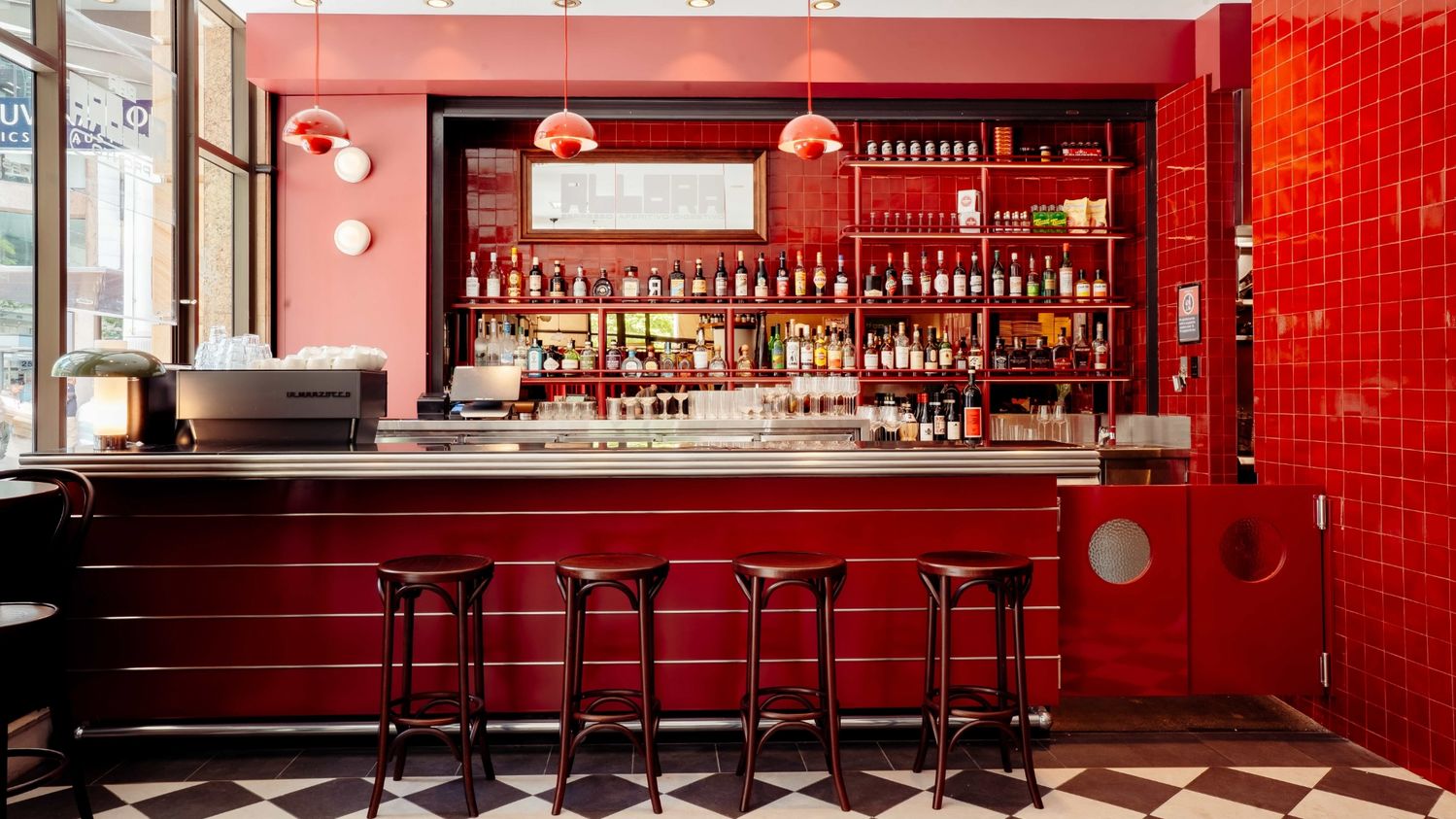
Beneath it all, there’s a more practical shift taking place.
The way we eat is changing. Menus are lighter, greener, and more considered. There’s an awareness of health, sustainability, and impact that wasn’t as present before.
Hotels, with their scale and reach, are in a position to shape those habits as much as respond to them.
Then there’s Ennismore’s lifestyle hotels, including 25hours Hotel The Olympia Sydney and Mondrian Gold Coast, which are pushing things even further, building entire destinations around food, drink and social energy.
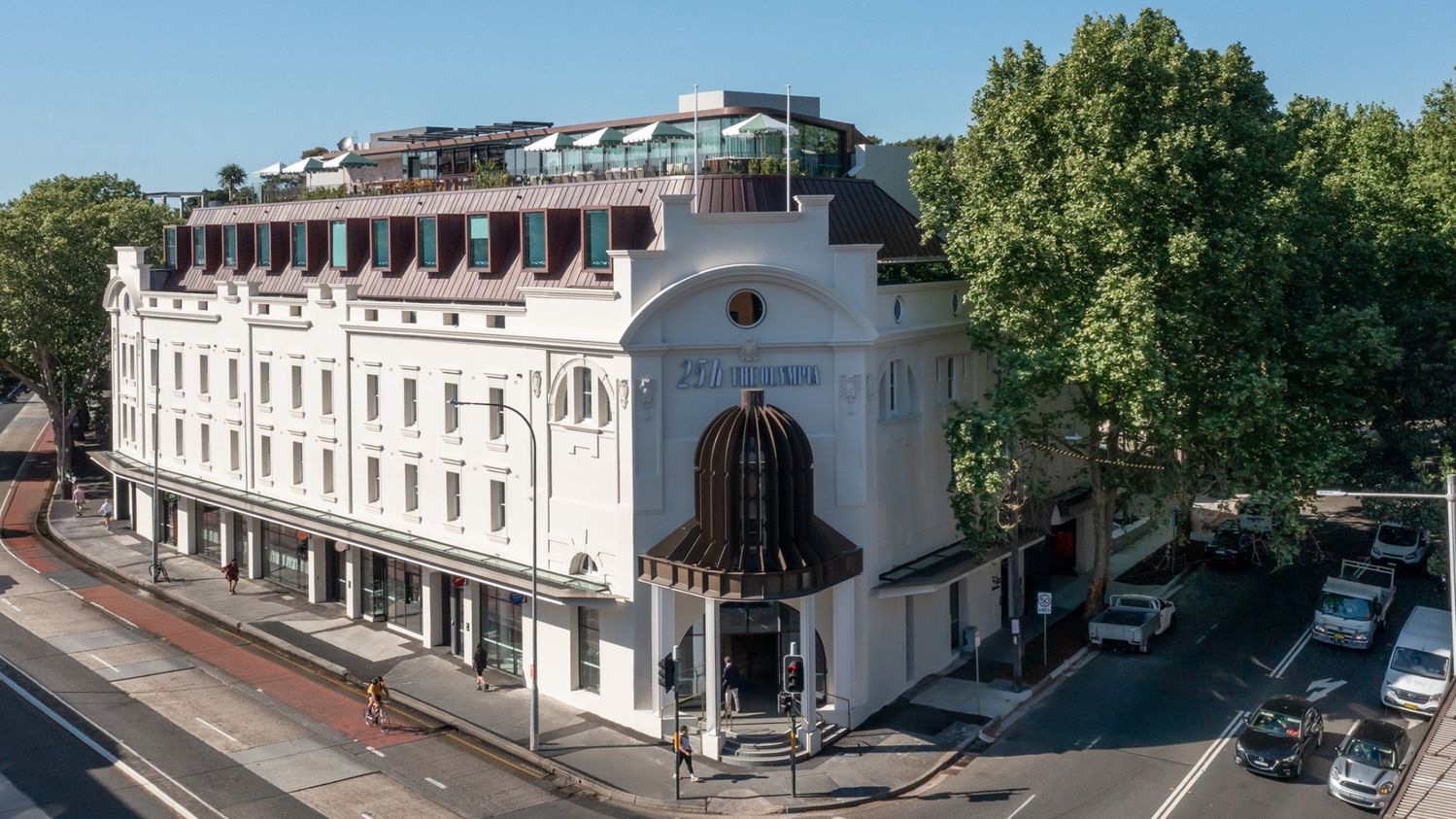
Ennismore’s 25hours Hotel The Olympia Sydney has quickly become part of the hip suburban fabric.
Ennismore – a joint venture in which Accor holds a majority shareholding – is less about staying over, and more plugging into a scene.
Loyalty programs are also evolving in response.
Where ALL Accor + Accor Plus once focused primarily on room upgrades and late checkouts, they now increasingly revolve around dining: priority reservations, exclusive events, and meaningful incentives that recognise the centrality of food to the travel experience.
It’s a subtle but telling shift, signalling where value now lies.
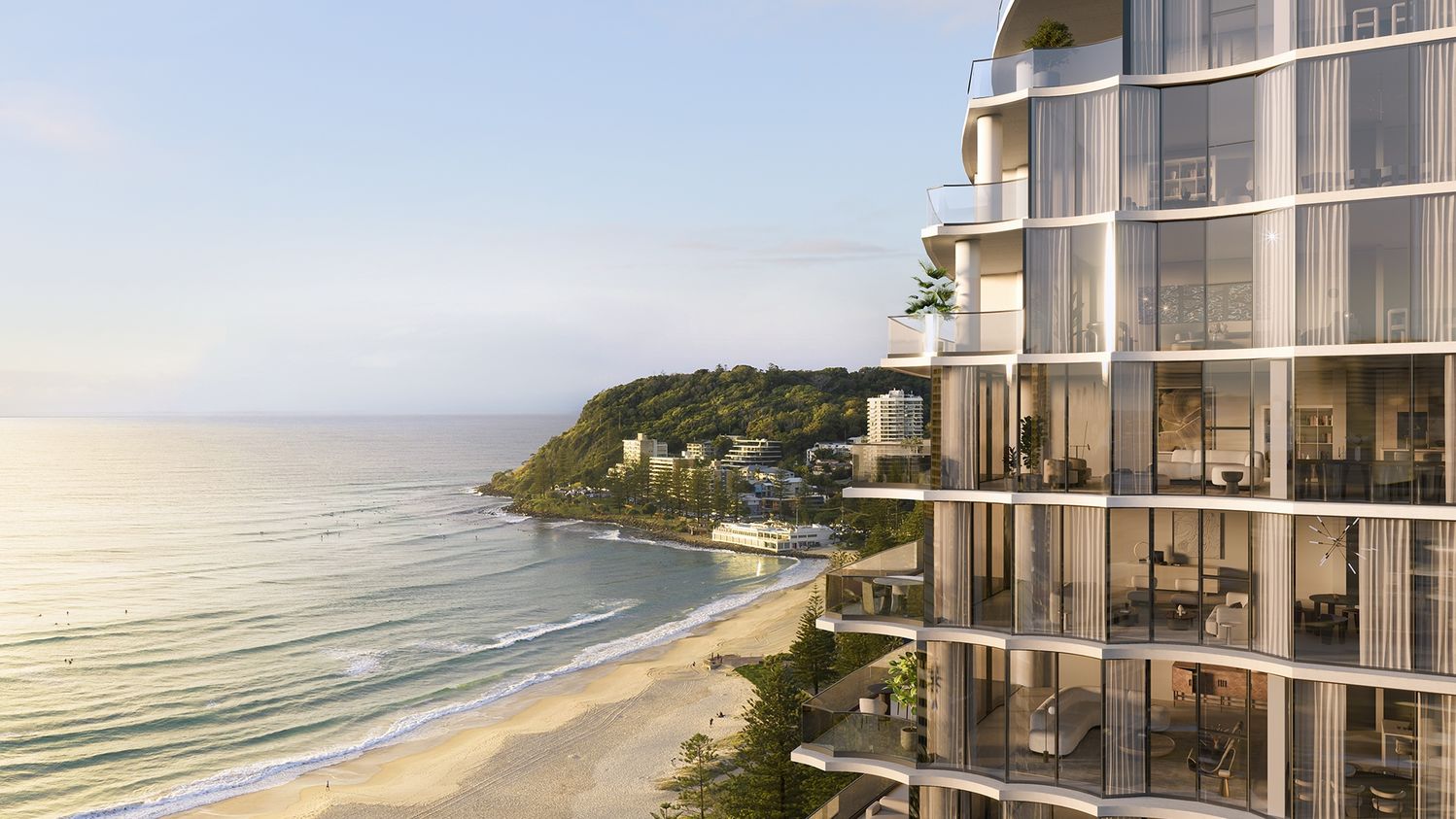
The Mondrian Gold Coast: come for the food, stay for the view (the other way around works, too).
Indeed, restaurants are no longer tucked away off the lobby. They’re moving to take pride of place as the heart of the hotel.
So when you check into an Accor property you can still looks forward to a comfortable room, crisp sheets, and maybe a view.
But increasingly, it’s the table at the hotel restaurant that defines the stay.
This article was produced in collaboration with Accor.