

Inflight video is getting a big-screen upgrade
Say goodbye to those washed-out seat-back screens: OLED technology brings a cinematic upgrade to every row.
By David Flynn, May 22 2026
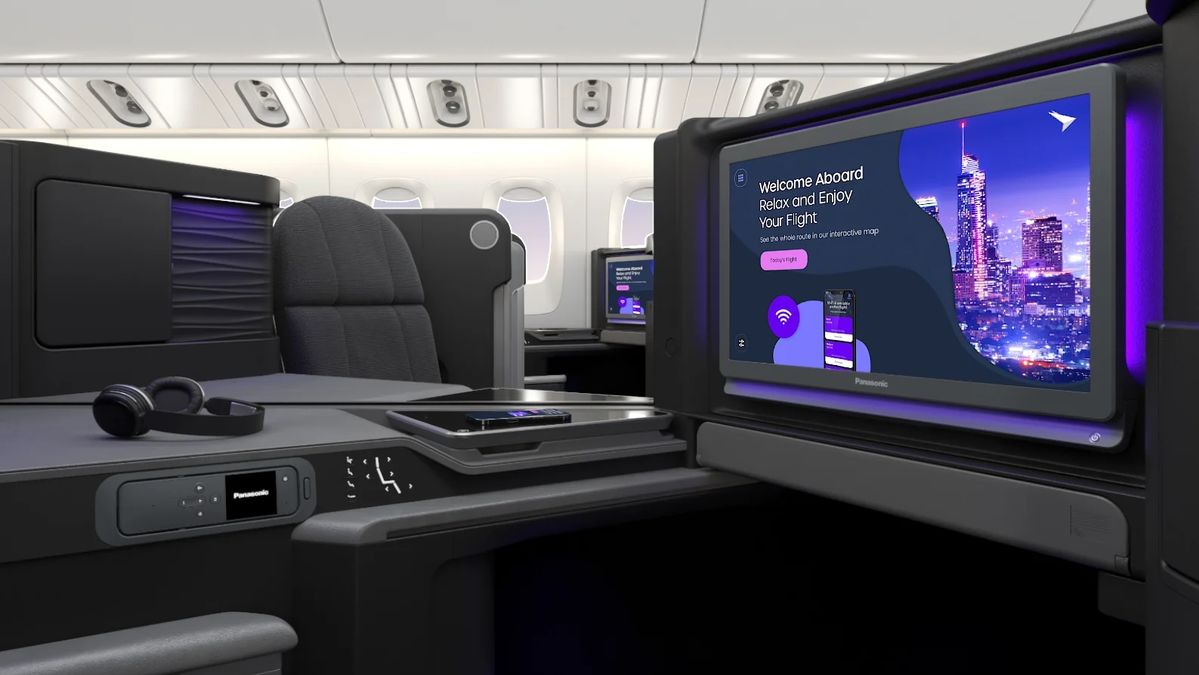
For years, the most exciting airline innovations were strictly reserved for the pointy end of the plane.
While business class received sliding doors and lie-flat beds, economy passengers were largely left staring at the same washed-out, glare-prone LCD screens from a decade ago.
That’s finally changing. A massive upgrade in inflight entertainment (IFE) is taking to the skies, and this time, it’s coming to every single row, from tip to tail of the latest jets.
OLED: the best thing for inflight movies since popcorn
Most wall-mounted home TVs rely on OLED (Organic Light Emitting Diode) technology to deliver those crisp blacks, rich colours and deep contrast ratios.
And OLED is now migrating from the living room to the back of the airplane seat.
To appreciate why OLED is such a massive leap forward for the passenger experience, it helps to look behind the glass.

The latest OLED inflight systems include Bluetooth streaming to wireless headphones.
Traditional aircraft screens rely on LCD (Liquid Crystal Display) technology. These monitors require a permanent LED backlight to illuminate the pixels from behind.
When a movie scene calls for darkness, the liquid crystals make their best attempt to block that backlight – but light invariably bleeds through, turning pitch black into a muddy charcoal grey.
OLED flips this architecture entirely. Instead of relying on a backlit panel, every individual pixel on an OLED screen is its own light source.
When a pixel needs to display black, it simply shuts off completely, allowing the screen to achieve true, “perfect” blacks.
This also creates an infinite contrast ratio, for a depth of picture that traditional aircraft screens – at home and in the sky – can’t match.
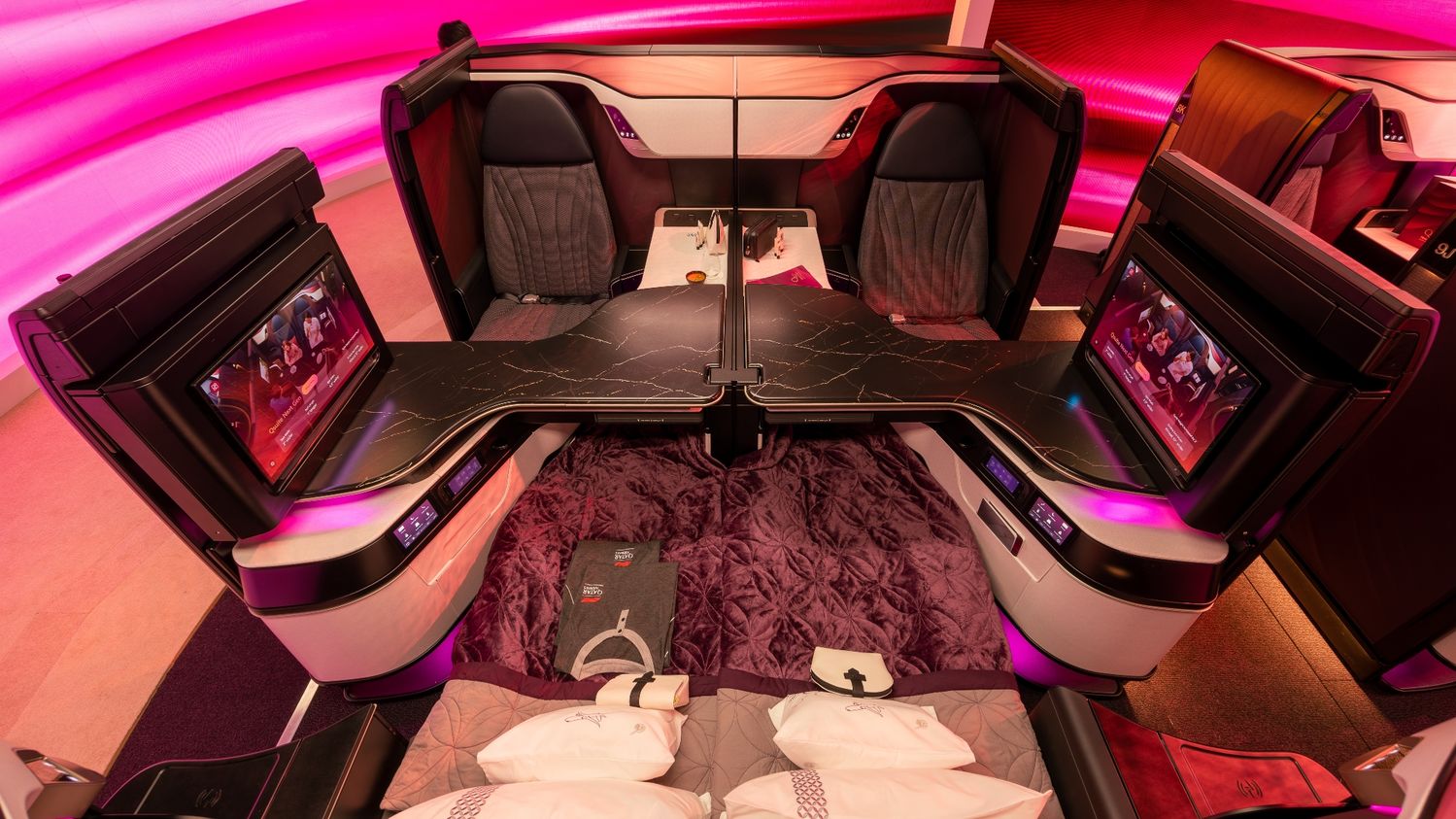
Qatar Airways' QSuite Next Gen packs large OLED screens (which, as shown here, can also be pivoted out of the way).
Turning economy class into cinema class
In addition, OLED has other benefits which are especially welcome in the tight quarters of premium economy and economy cabins, particularly on overnight flights.
We all know what it’s like when the cabin lights dim, but your neighbour is transfixed by a brightly-lit action movie.
On a standard LCD screen, the persistent backlight creates a glowing grey aura that spills into your space and disrupts your sleep.
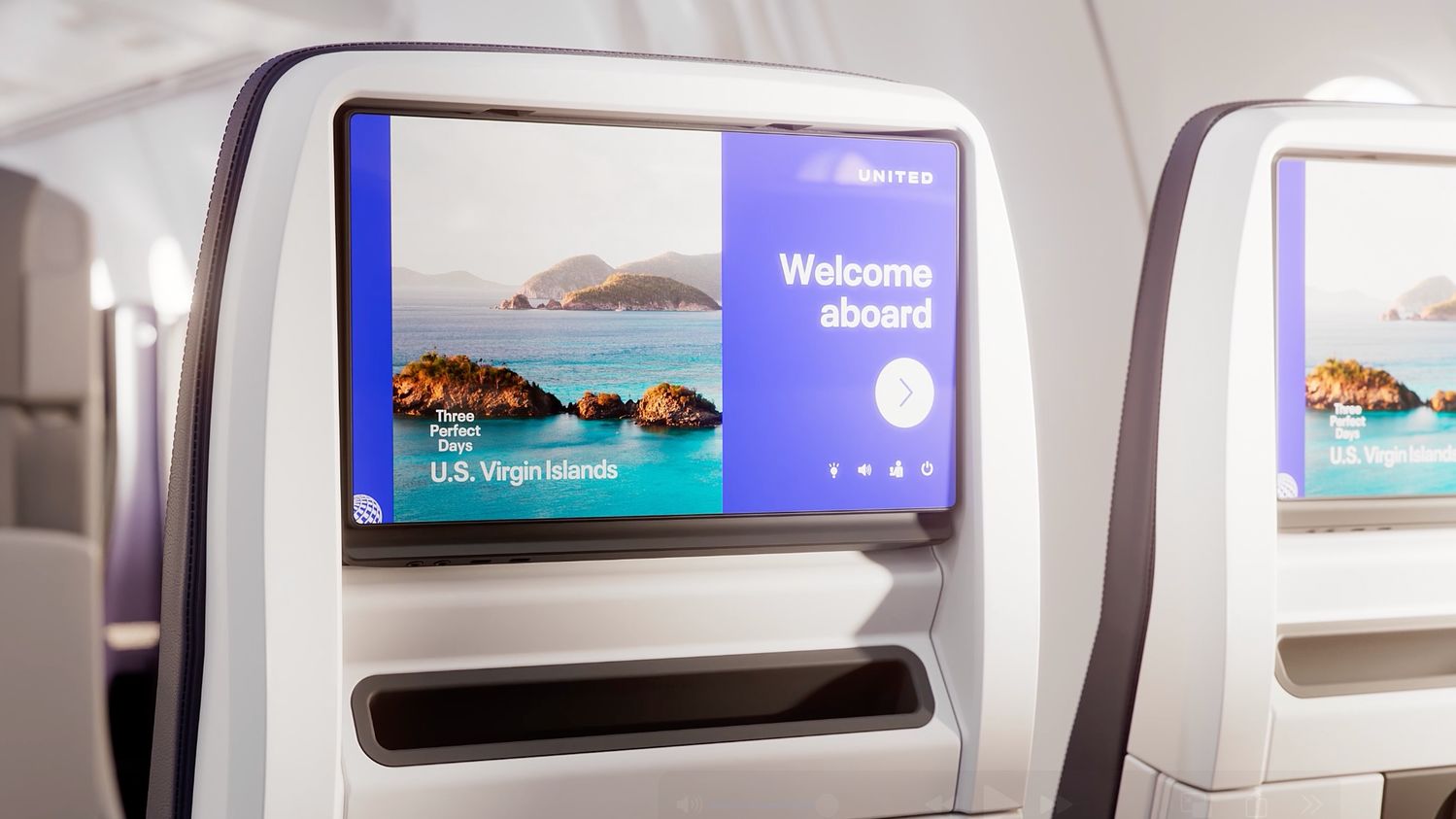
United Airliners is rolling out OLED screens to its latest 787 economy class.
Because OLED pixels turn off completely during dark scenes, they eliminate this ambient light pollution.
And while conventional fixed screens lose colour accuracy and contrast when viewed from an angle, OLED retains flawless clarity and colour fidelity from almost any angle, ensuring an immaculate view even if you are slouching or adjusting your position.
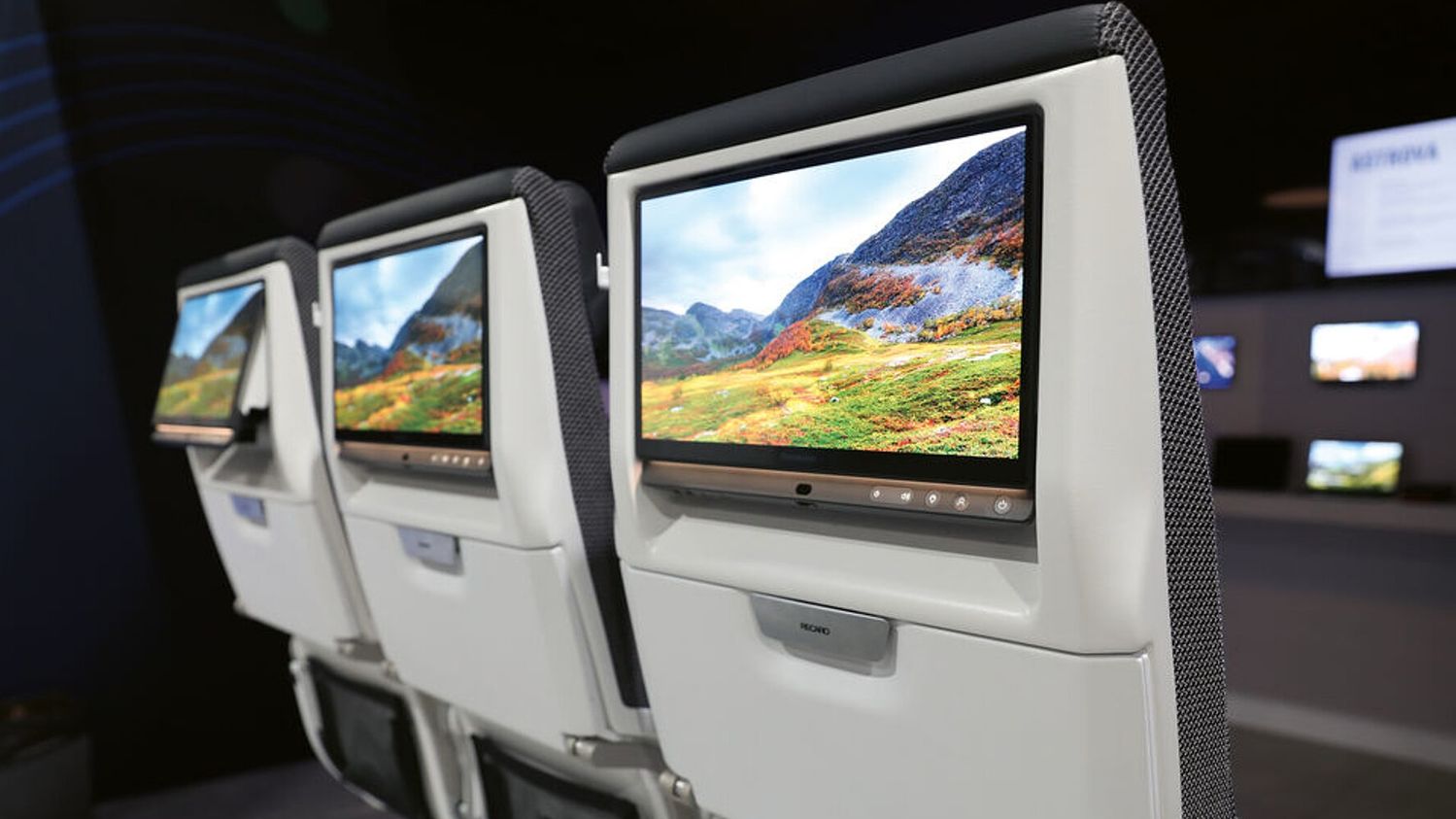
OLED screens look great when viewed from almost any angle.
Astrova: coming to a seat near you
The star of the OLED show is Panasonic Avionics and its groundbreaking Astrova platform, with advanced 4K OLED screens tailored for every cabin class: from highly efficient 13-inch panels in economy to massive 32-inch displays in business plus suites.
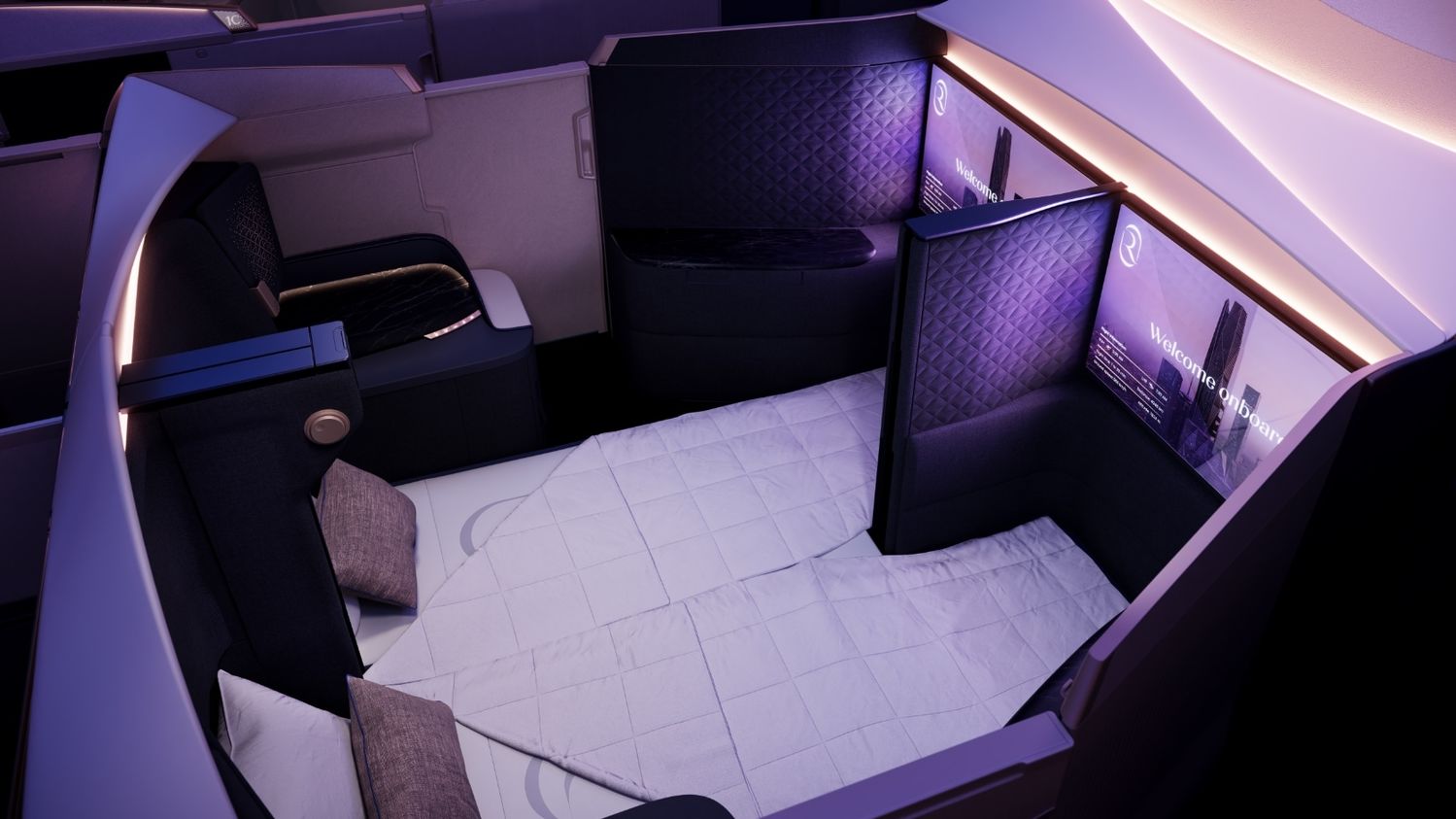 Riyadh Air's 787 Business Elite suites boast a 32-inch Astrova OLED panel.
More than 30 airlines have adopted Astrova to date: among them Air Canada, Air India, Emirates, EVA Air, Japan Airlines, United Airlines, Qatar Airways, and newcomer Riyadh Air.
Astrova screens will also keep passengers entertained on Qantas’ non-stop Project Sunrise flights from Sydney and Melbourne to London and New York, taking off from mid-2027.
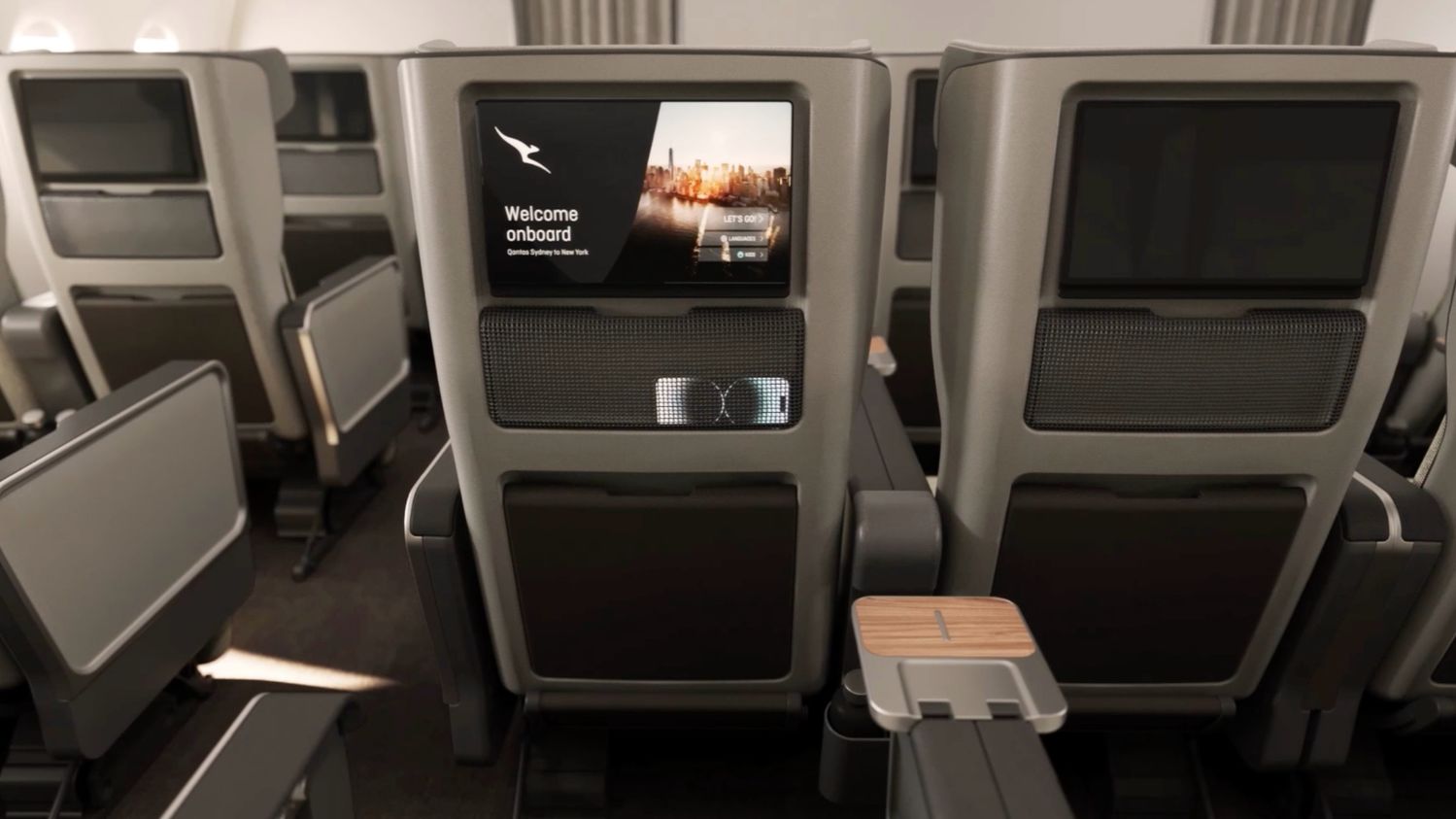
Qantas will fit Astrova OLED displays from tip to tail on its A350-1000 fleet.
And beyond that brilliant screen, Astrova systems include USB-C power sockets rated at a minimum 67W and up to 100W of juice for every passenger: enough to power a laptop or rapidly charge up a smartphone.
Also built-in is Bluetooth streaming, so passengers can use their own high-quality noise-cancelling headphones.
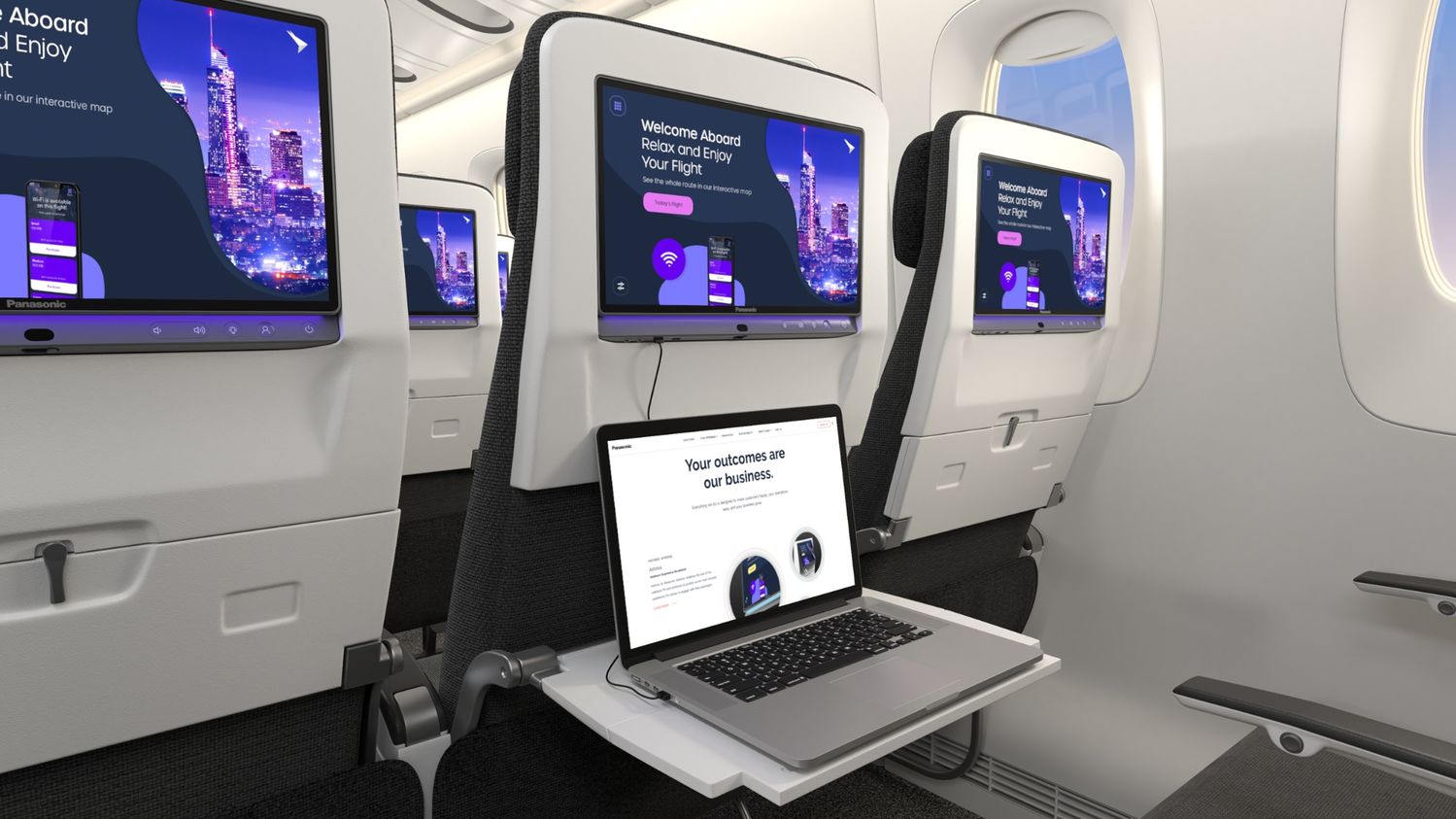
The next-gen IFE units also include high-power USB-C ports for phones, tablets and laptops.
On top of that, Astrova supports spatial audio – sometimes called 3D audio – which uses clever acoustic processing to trick your brain into perceiving depth and elevation.
Spatial audio creates an immersive 360° soundstage where sounds appear to come from behind, above, or even specific distances around you.
Now all that airlines need to do is to put popcorn on the inflight snack menu...

Virgin Australia - Velocity Rewards
24 Jan 2018
Total posts 870
Good article, explains it simply for me.
Hi Guest, join in the discussion on Inflight video is getting a big-screen upgrade