

Starlux locks in A330neo for Sydney, Auckland flights
The Taiwanese airline spreads its wings to Australia and New Zealand.
By David Flynn, July 6 2026
Executive Traveller exclusive
Taiwan’s Starlux Airlines is starting to fill in the details on its plans for flights from Taipei to Sydney and Auckland next year.
Although not yet nominating a start date, the schedule will launch “with 4 to 5 flights a week, and gradually scale up to a daily flight,” Starlux Chief Strategy Officer Simon Liu tells Executive Traveller.
Auckland will be added to the Taipei–Sydney service as a trans-Tasman leg, “allowing us to expand our network into the South Pacific by hitting two countries at one time.”
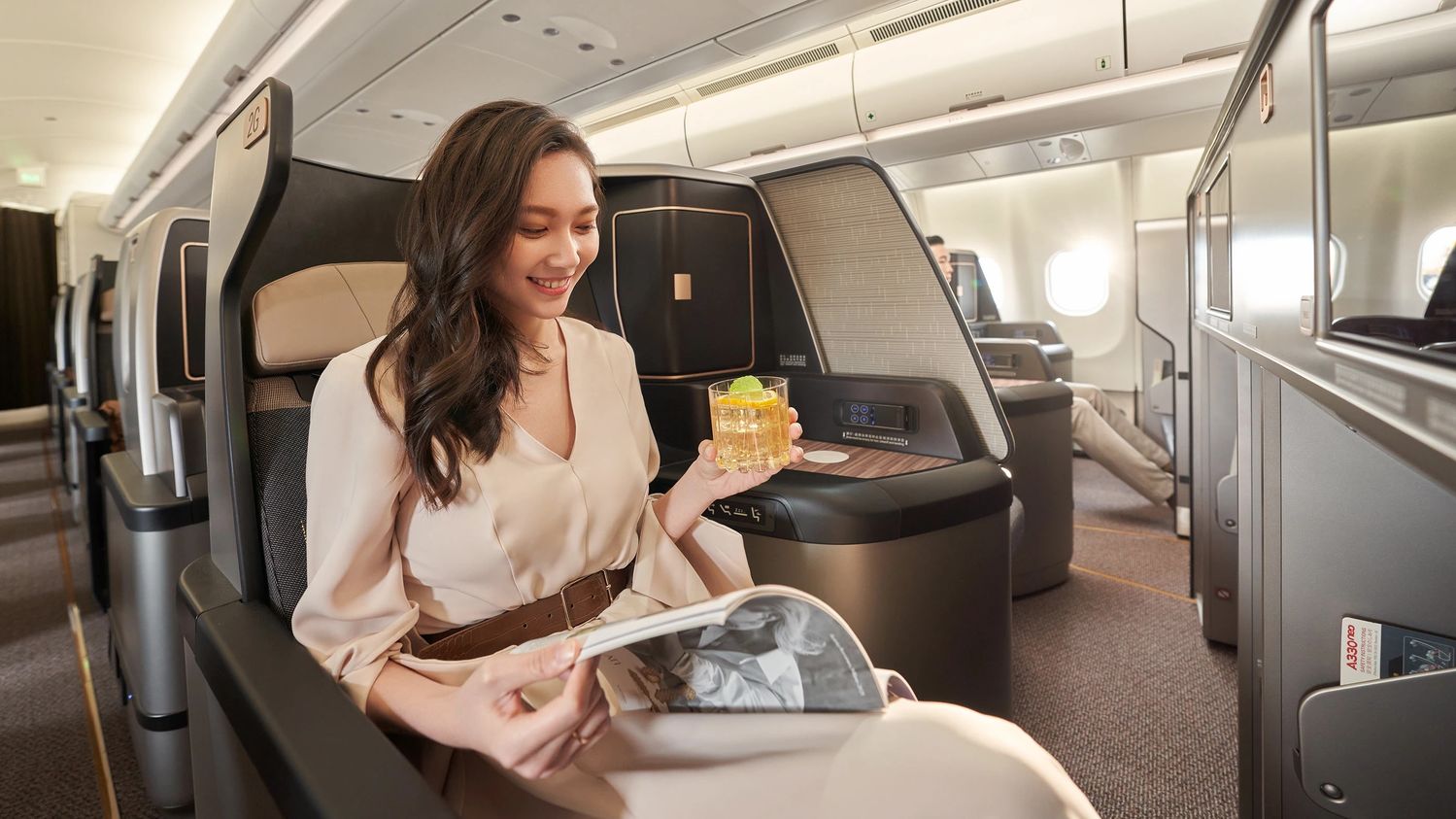
Starlux A330neo business class.
And with the Sydney–Auckland sector available to book on its own, Starlux could offer a compelling alternative to incumbents Qantas and Air New Zealand – especially in business class.
Flight schedules for the Taipei–Sydney–Auckland services are currently being finalised, with further details to be announced shortly.
Starlux A330neo for Sydney, Auckland
Liu confirmed the Taipei–Sydney–Auckland flights would feature an Airbus A330neo, saying the route would “fit the A330 profile perfectly.”
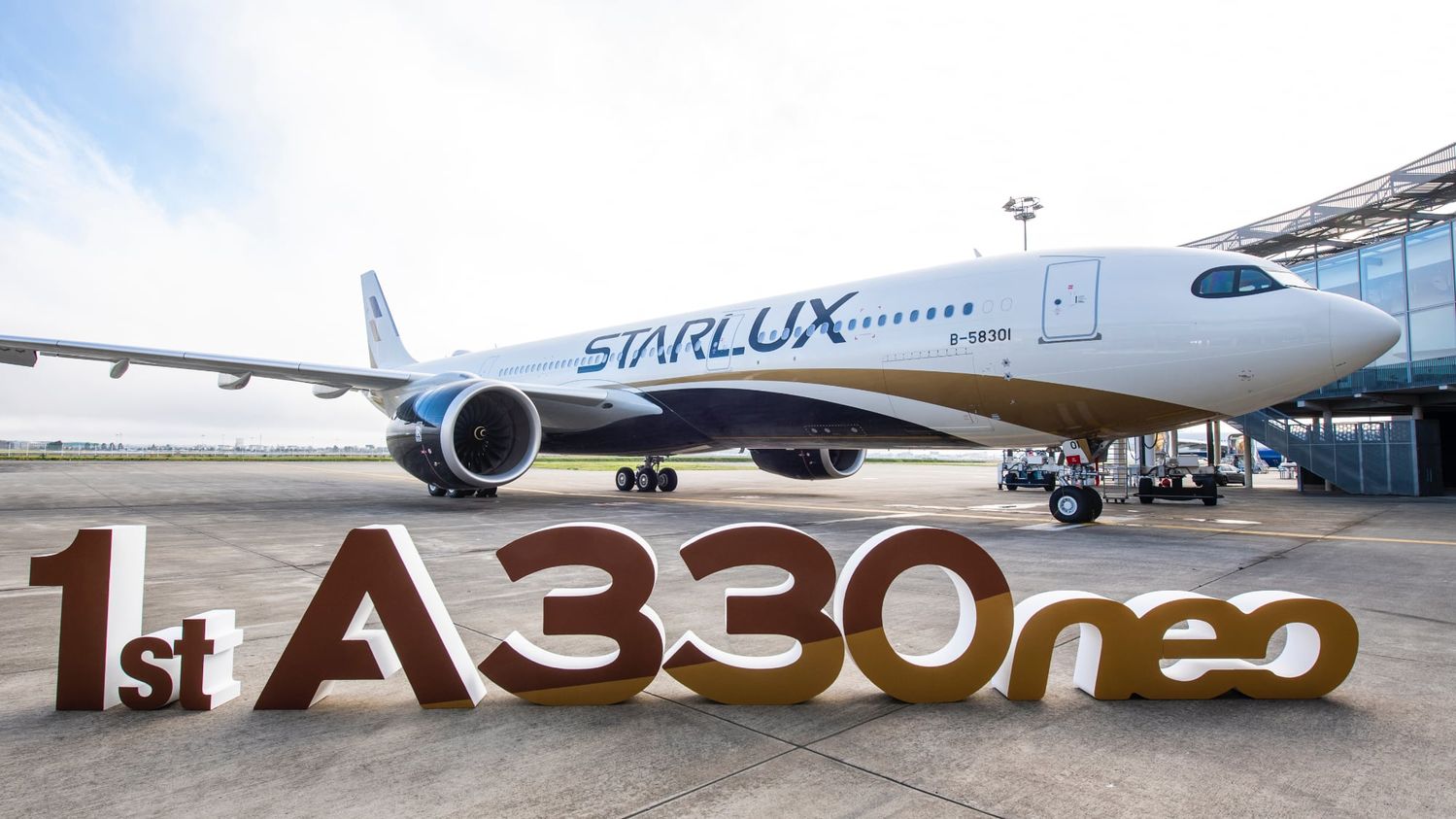
Starlux took delivery of its first A330neo in February 2022.
An upgraded version of the twin-aisle A330, the neo combines more fuel-efficient engines, longer range and an Airspace cabin design with quieter acoustics and larger overhead luggage bins.
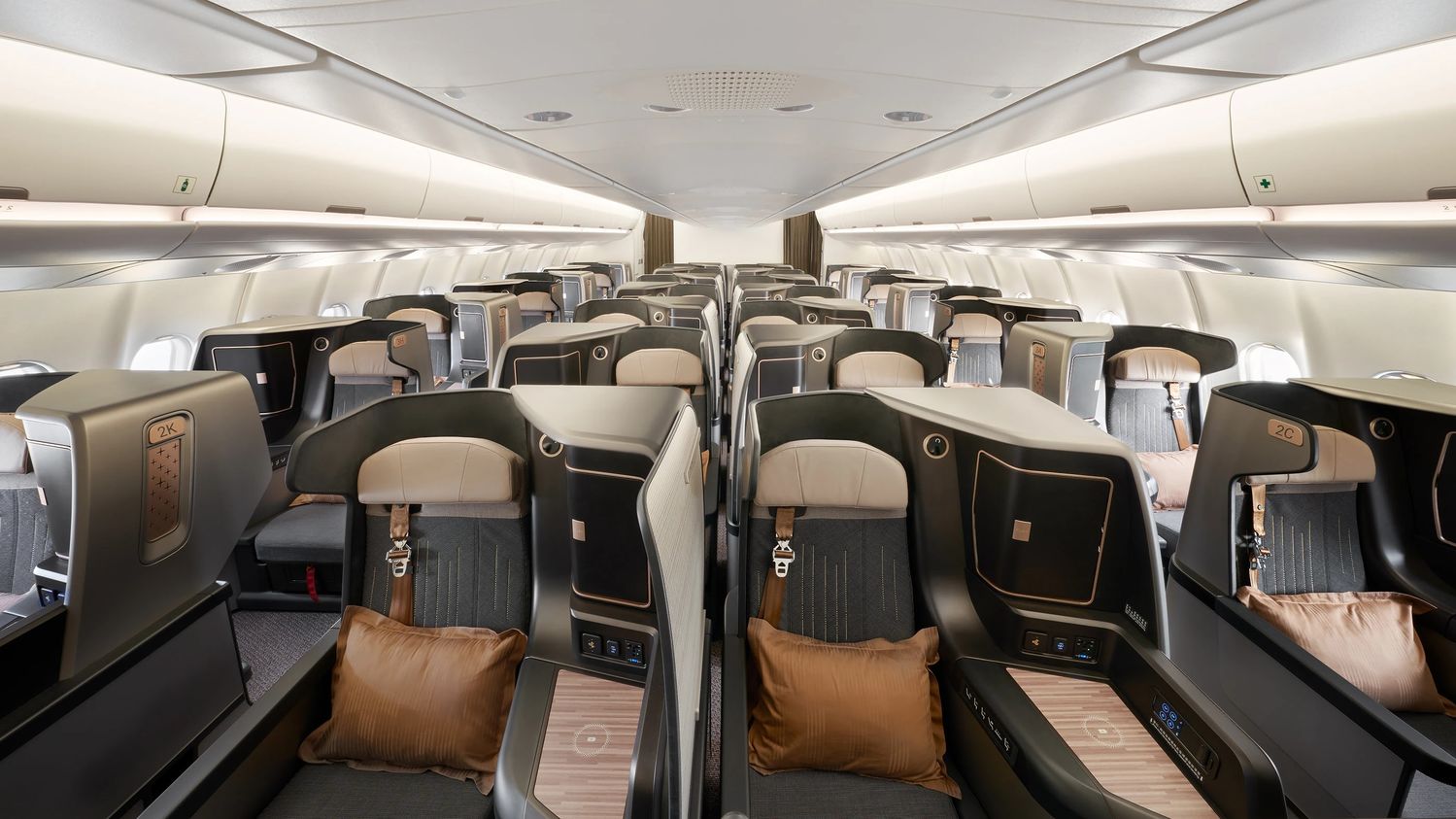
Starlux A330neo business class.
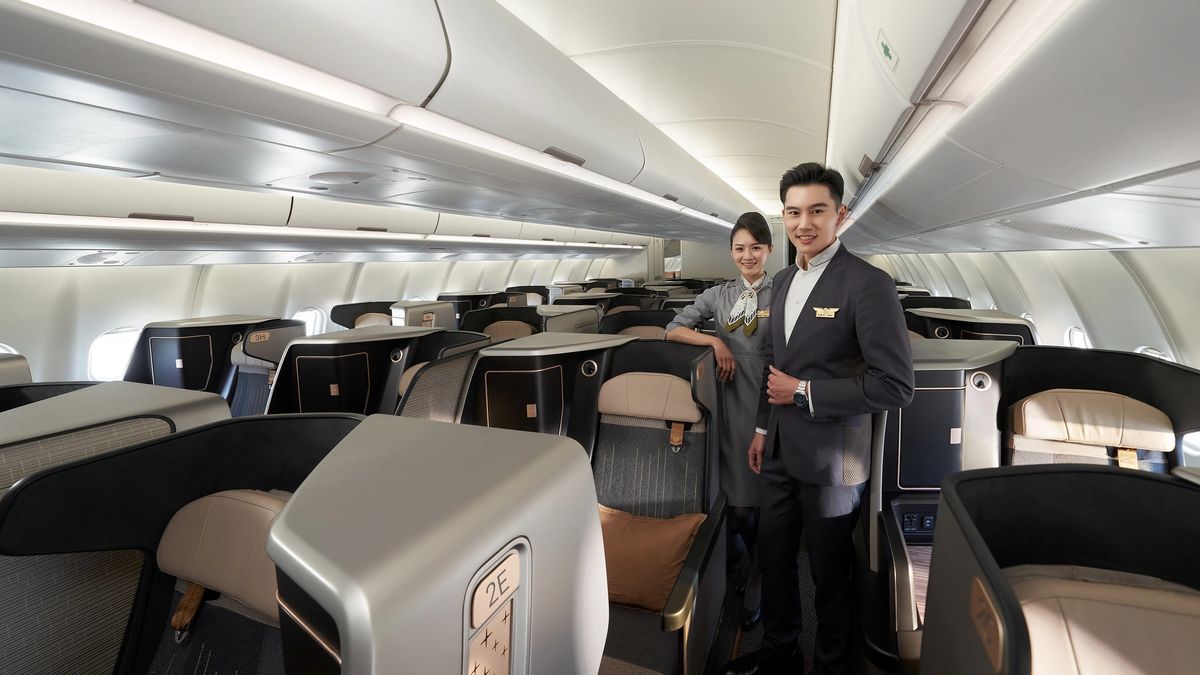
The Starlux A330 has 28 flatbed business class seats in a 1-2-1 layout, although without the sliding privacy doors of the flagship A350.
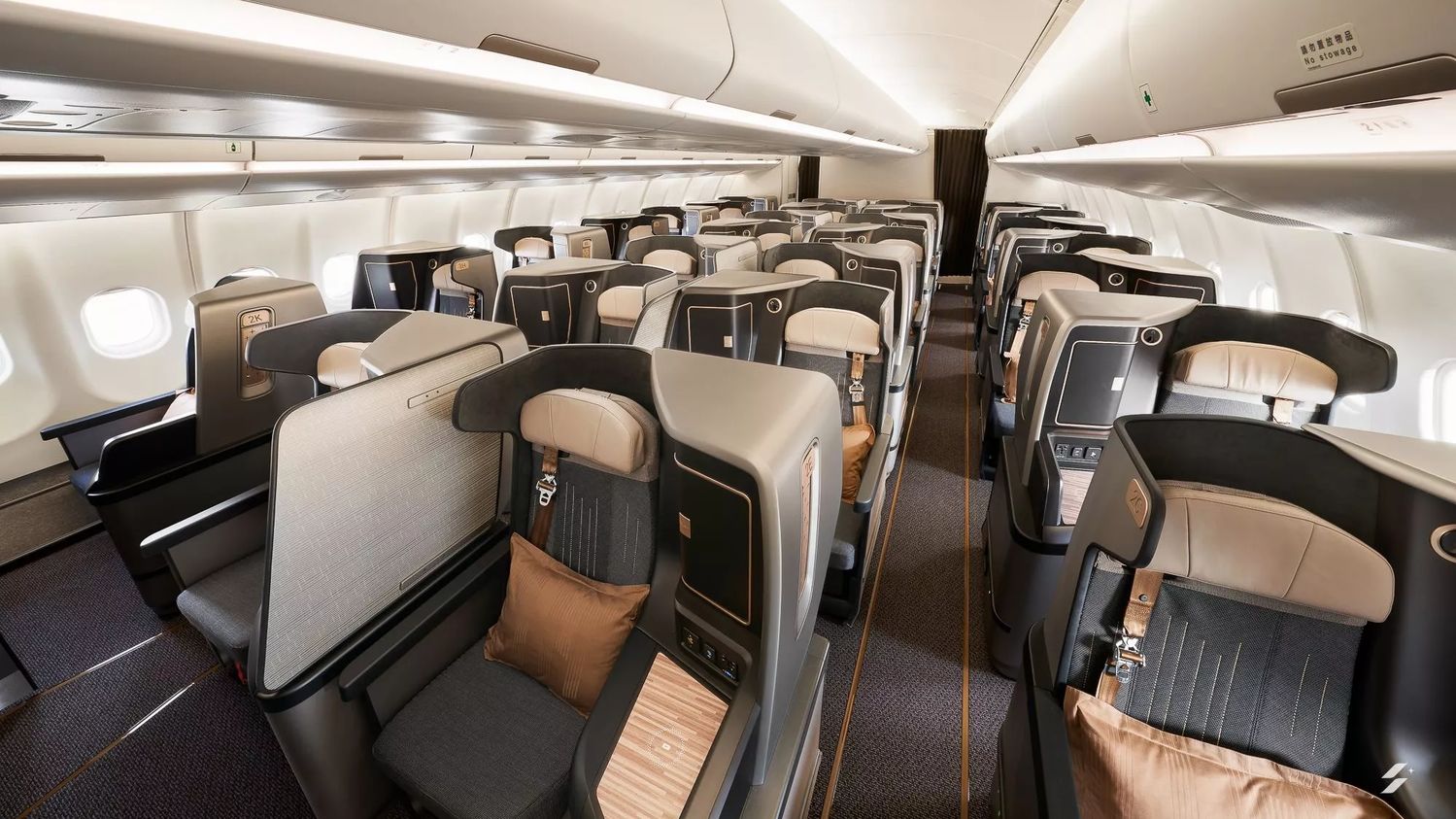
Starlux A330neo business class.
Described by Starlux as ‘high-privacy pods’, they’re based on the Safran Skylounge platform.
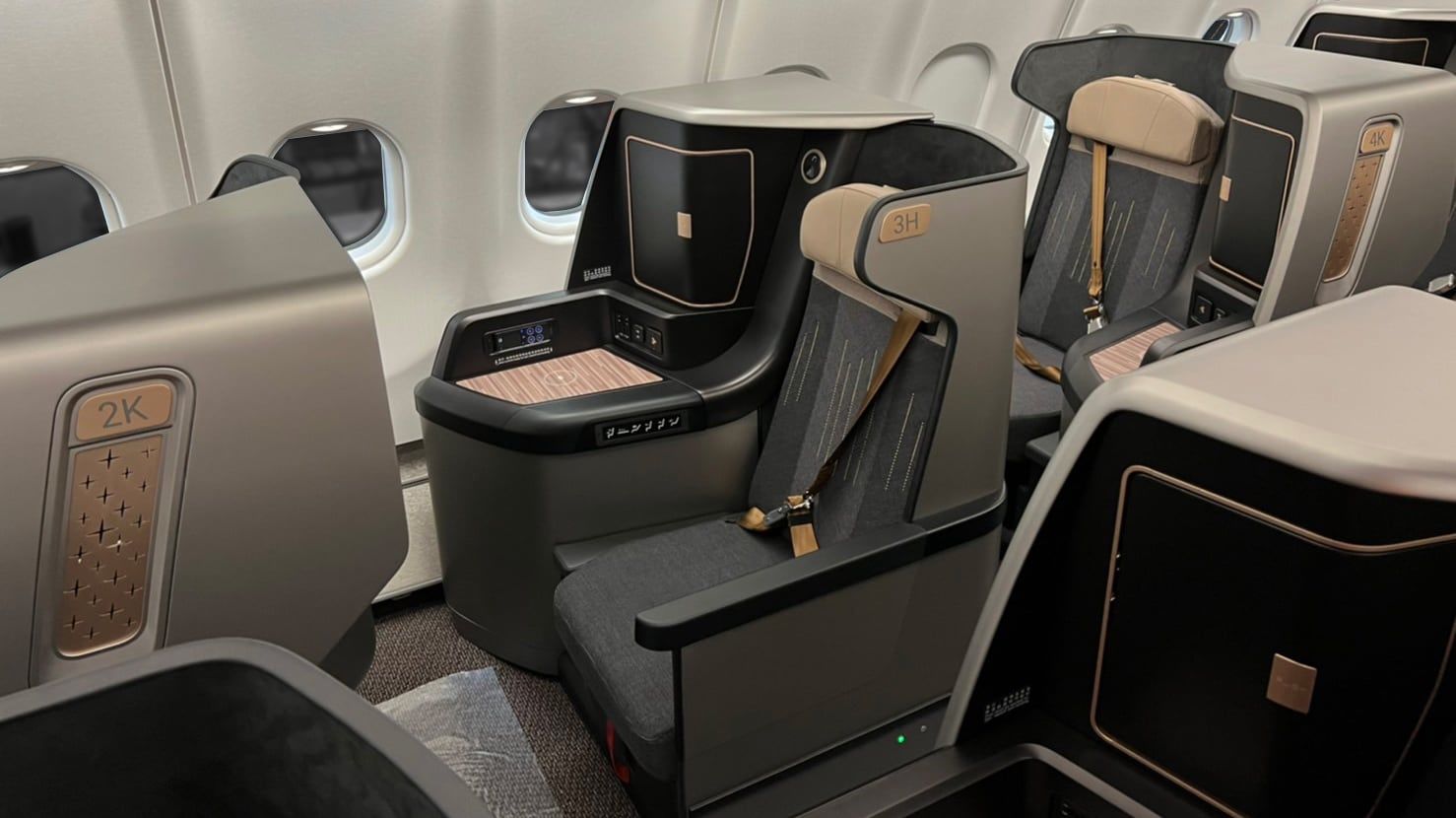
Starlux A330neo business class.
Each seat includes a 17.3-inch 4K screen with Bluetooth audio.
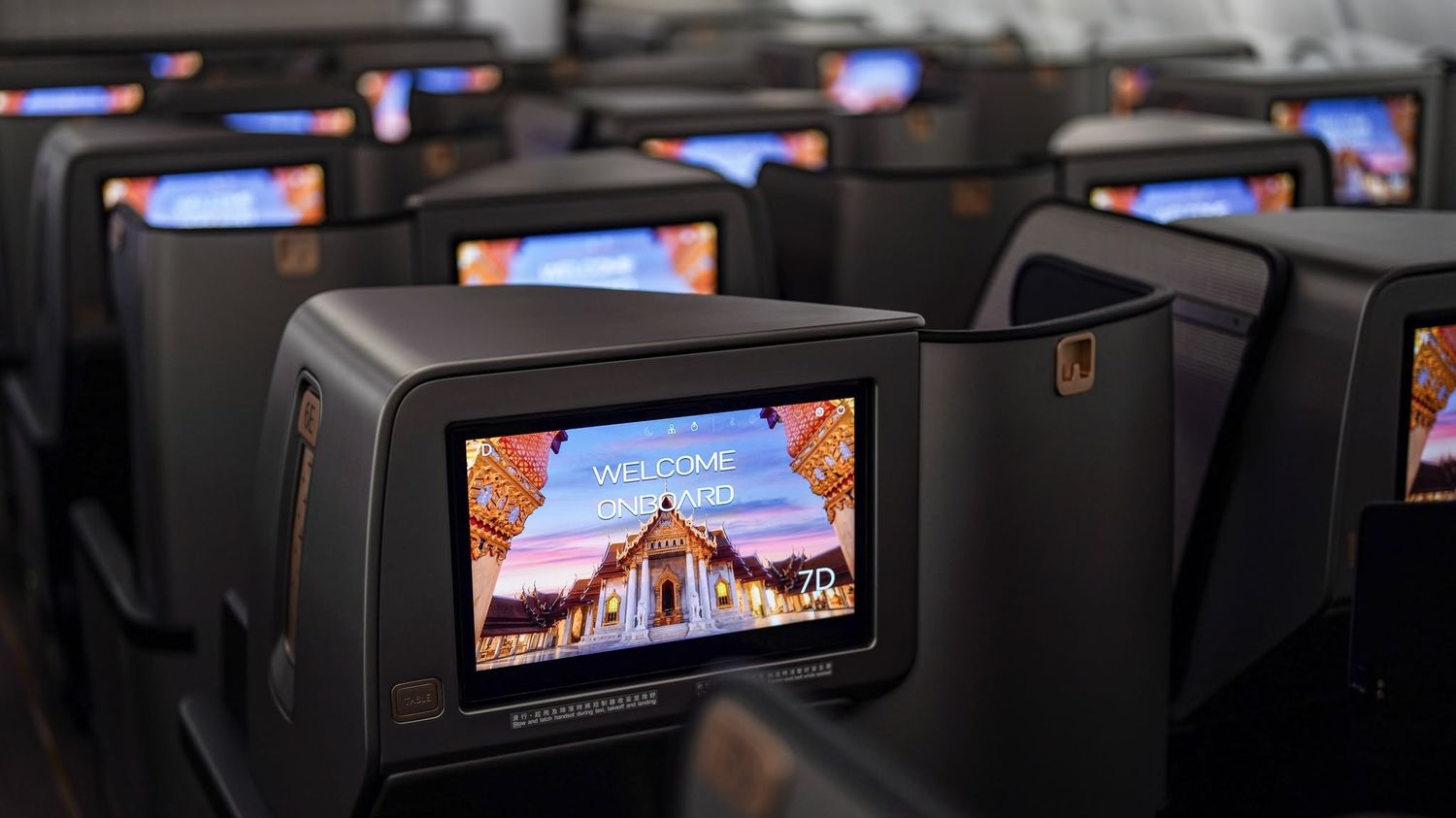
Starlux A330neo business class.
Other high-tech touches include four device charging options: AC, USB-A, USB-C and wireless.
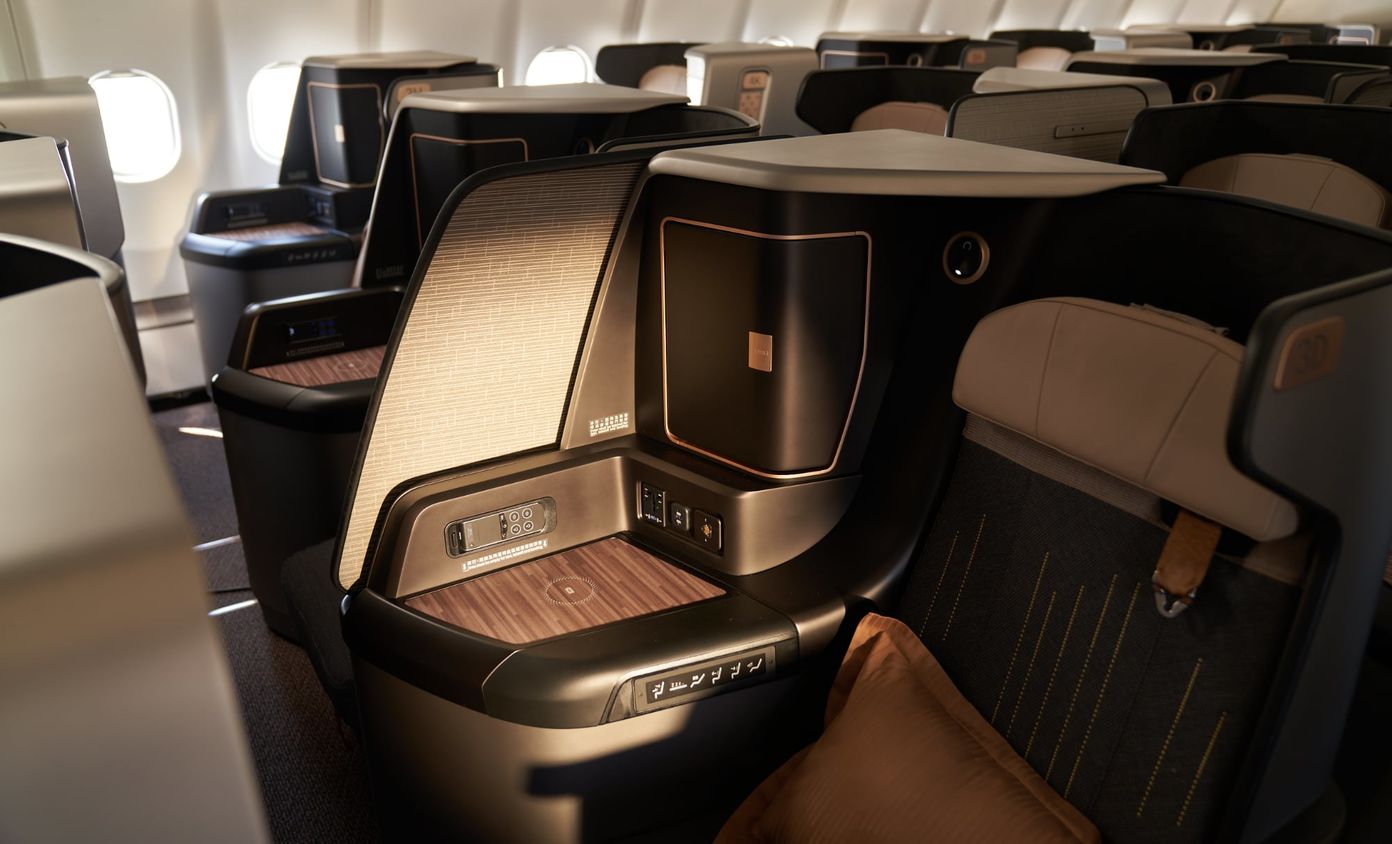
Starlux A330neo business class.
Unlimited inflight Wi-fi is also provided free of charge to all A330neo passengers in business class.
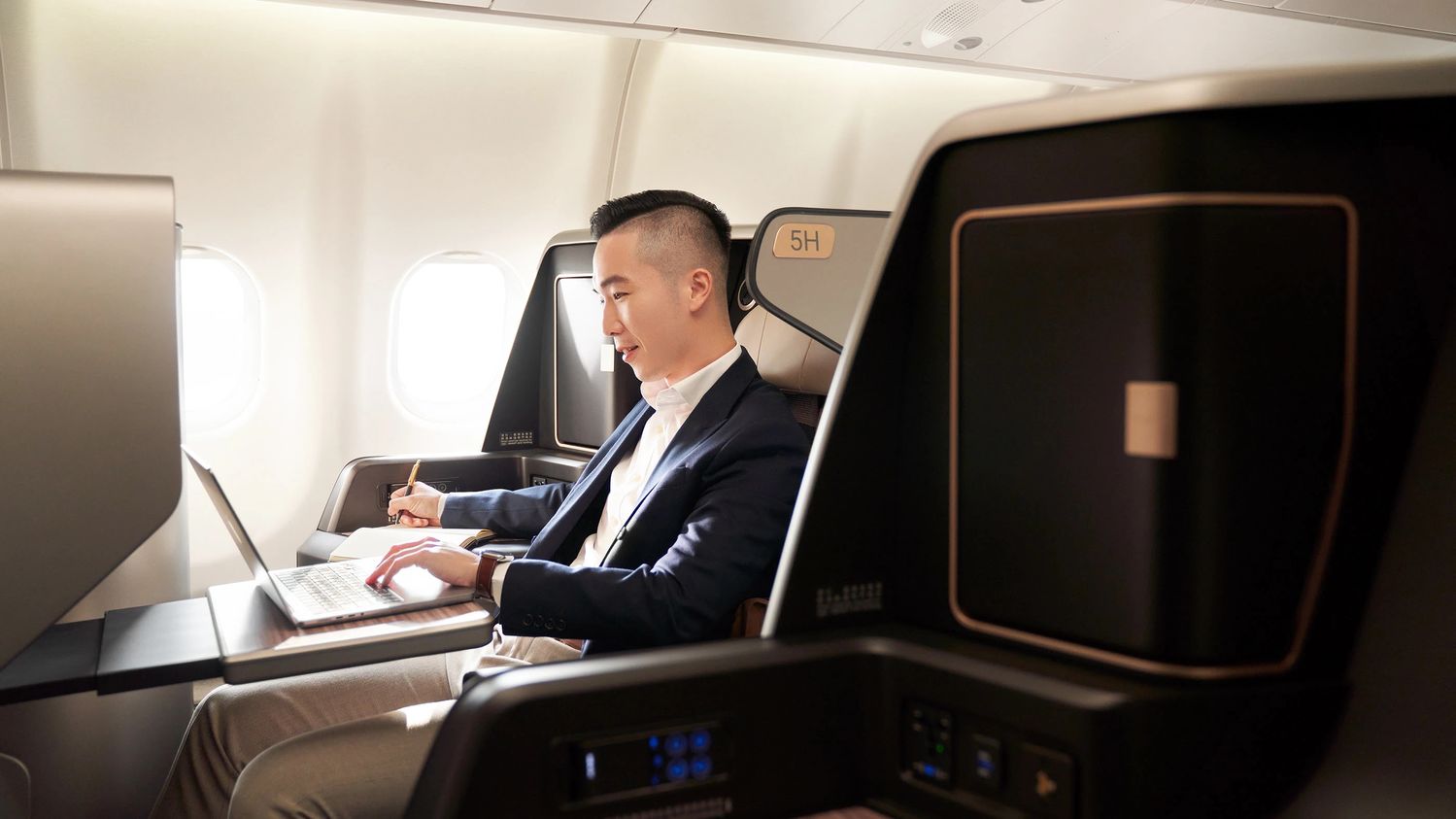
Starlux A330neo business class.
Starlux enlisted BMW Designworks to shape its A330neo interiors, which evoke a “home in the air” ambience through a palette of natural colours, warm fabric and leather, in keeping with the airline's desire to be a design-led boutique carrier.
“Our product design targets premium travellers, both business flyers and high-end leisure passengers.”
“Over the last two to three years, our passenger load factors for premium seats, especially business class, have continued to grow consistently.”
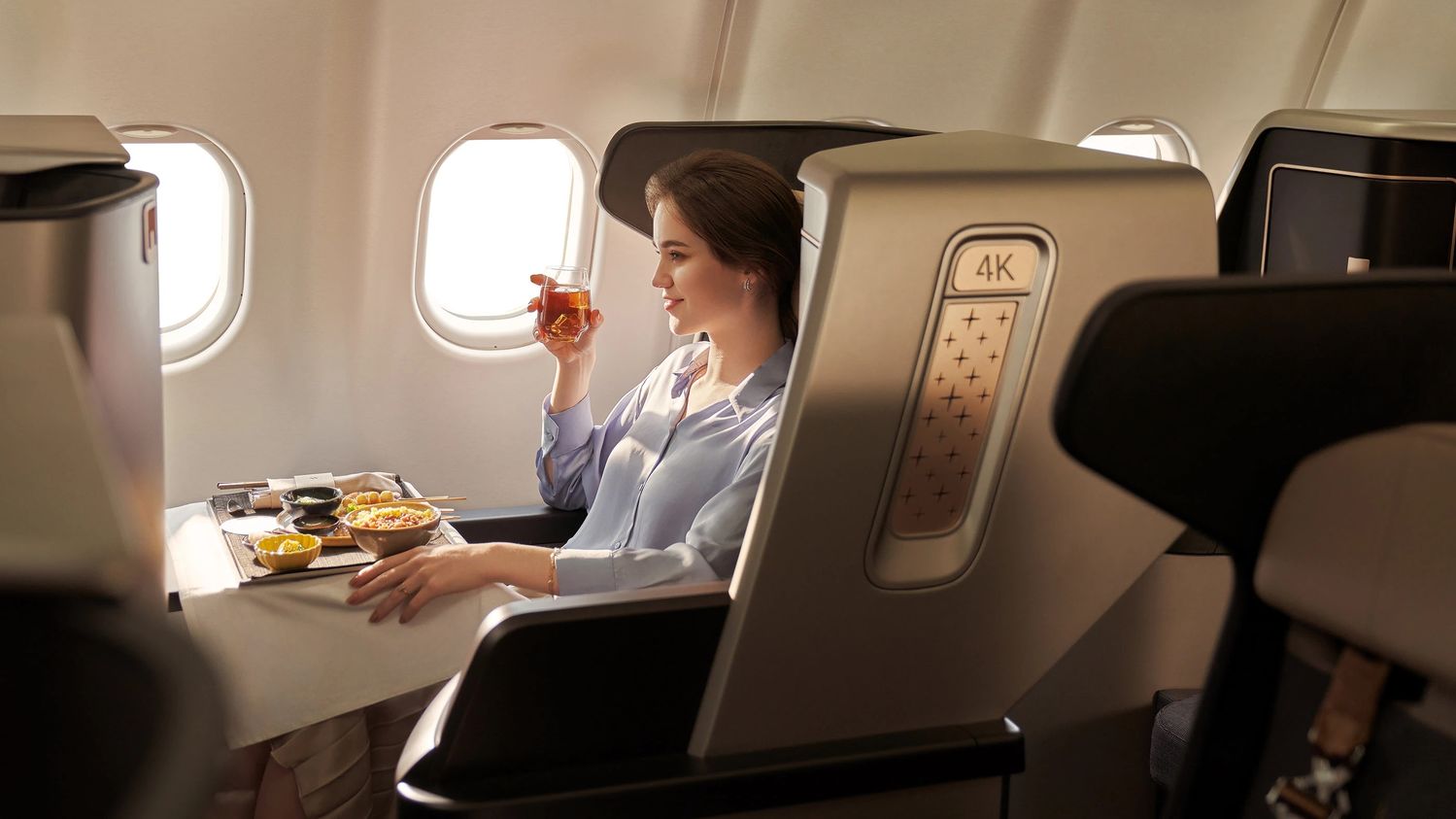
Starlux A330neo business class.
However, there’s no premium economy class on the Sydney-bound A330neo – so if you’re not turning left, consign yourself to one of the standard 269 Recaro economy seats.
Starlux is expanding its international network
The Sydney–Taipei flights will feed into Starlux’s onward connections to North America and Europe, which in 2027 will also be expanded to Barcelona and Zurich.
“Looking ahead to the next three years – up to 2027 and 2028 – and considering the existing aircraft orders we have placed, we are looking into adding at least three destinations in Europe,” Liu said, adding that both London and Paris are being considered.
“For Paris, we will probably have to wait a little bit longer due to traffic rights constraints,” Liu noted.
“For London, the primary challenge is securing airport time slots, something we must actively pursue.”
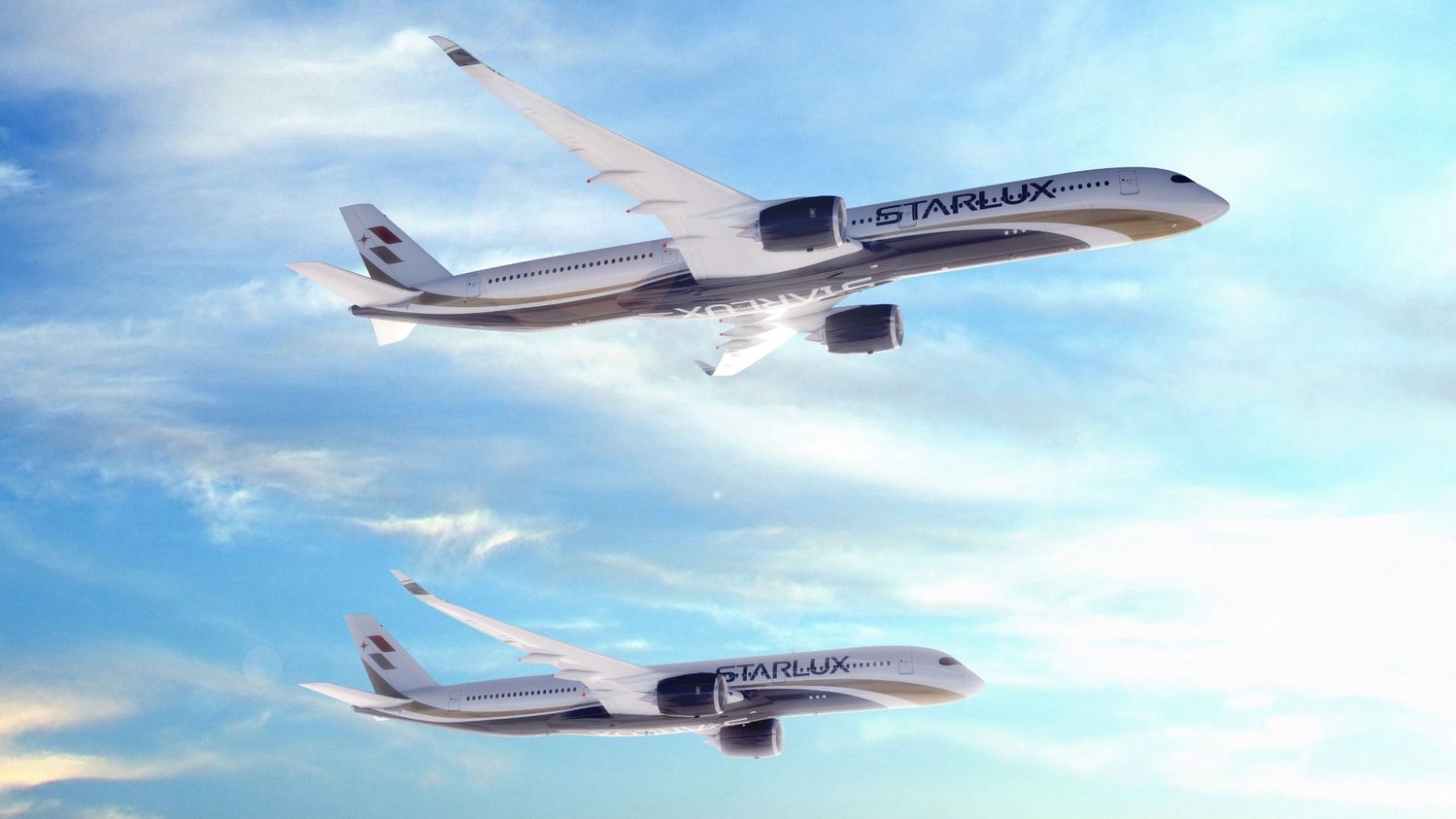
Starlux' long-range network consists of the Airbus A330neo and A350.
The arrival of more Airbus A350-1000 jets will also “help us expand into the US East Coast,” Liu shared.
“On our radar for potential future expansion, we are looking at Washington, New York, Boston, Dallas and Chicago.”
“We don’t have enough aircraft to fly to all of them right now, so we will likely choose two or three of those destinations initially.”
Both the A350 and A330neo include flatbed business class suites, with the A350-900 adding four first class suites plus a premium economy cabin.

Starlux's doored A350 business class suites.
When Executive Traveller reviewed Starlux’s A350 business class, we found it to be “a suitably stellar offering.”
Taipei vs transit
Taiwan is considered one of Sydney’s fastest-growing travel markets, with passenger numbers growing 18% in 2025 to almost 194,000 passengers.
Starlux will challenge flag carrier China Airlines to a share of the Sydney–Taipei market, while Cathay Pacific has long been a popular way to journey to Taiwan via Hong Kong.
Attracting transit travellers – although ideally with a short-stay stopover in Taipei – is a cornerstone of Starlux’s strategy, Liu explained.
“Taiwan is a small island country, so we cannot count on local traffic alone. From Day 1, our strategy has focused heavily on developing a robust transit market.”
“By connecting North America and Europe to our extensive Asian network via Taipei, we tap into a massive pool of passengers.”
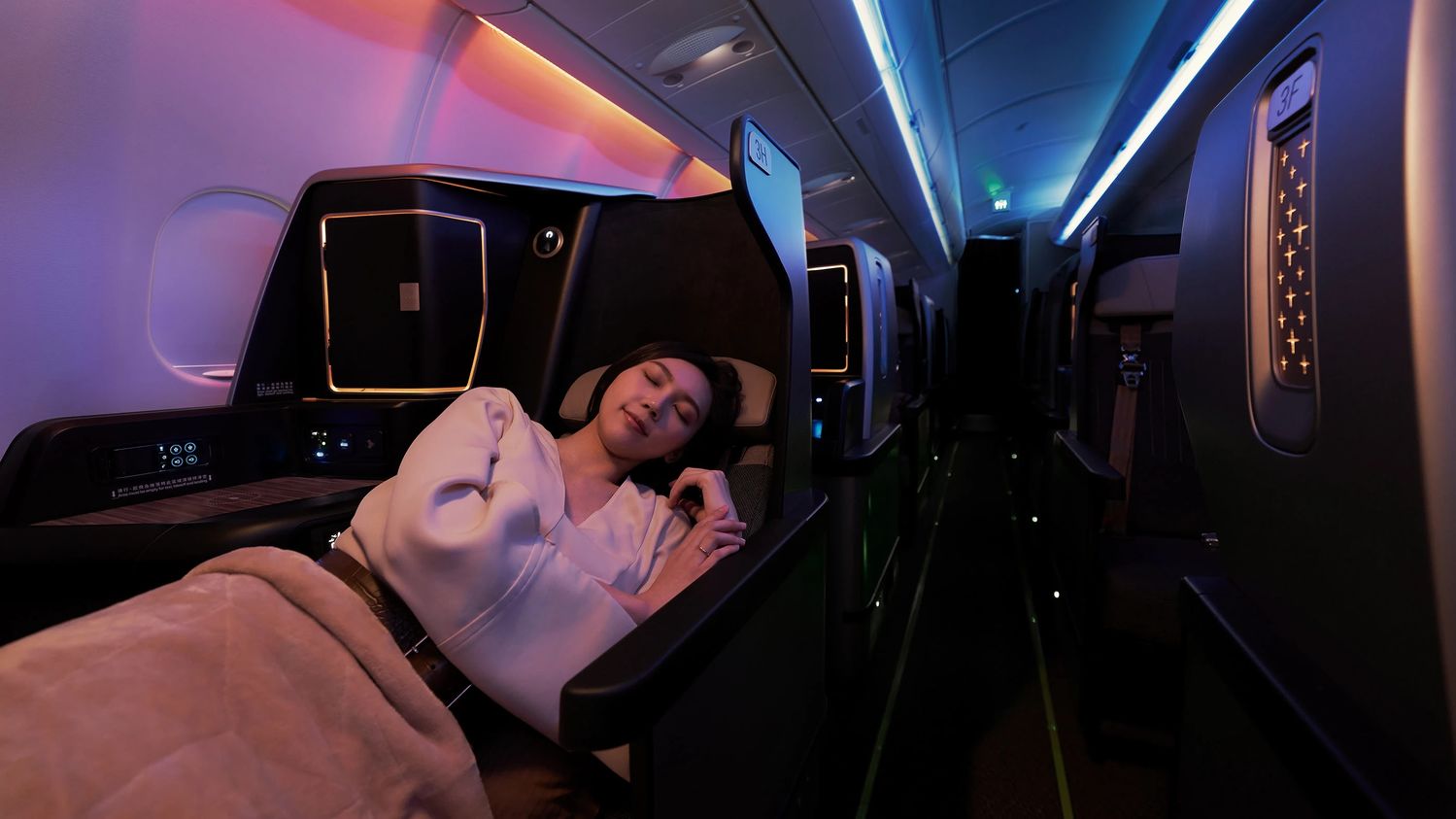
Starlux offers lie-flat beds across its Airbus A330neo and A350 fleet.
“For our long-haul flights, our current transit passenger ratio sits at about 35% to 40%, and we expect this number to keep scaling up.”
“Our target scenario for the future is to achieve a stable 45% to 50% transit mix on long-haul routes.”
That said, Liu says “even though Taiwan is geographically small, we have a local population of over 23 million people who love to travel frequently. This provides Starlux with a highly stable home passenger base.”
“When you combine that strong local base with connecting traffic from Southeast Asia and North America, the pie becomes incredibly large.”
“Even as a newcomer creating healthy competition, the market and the demand are expanding rapidly enough to support us.”

Hi Guest, join in the discussion on Starlux locks in A330neo for Sydney, Auckland flights