Price rise: Australian passport becomes even more expensive
The world’s most expensive passport is about to get even pricier.
By David Flynn, December 16 2025
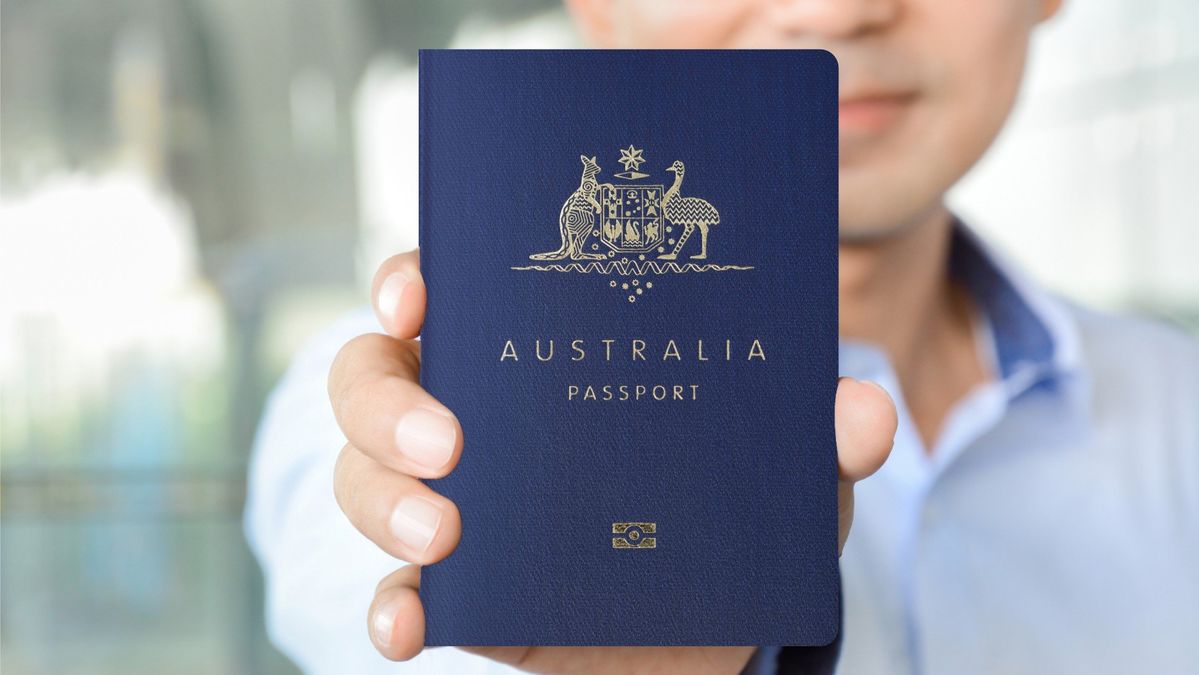
Australia already holds the unhappy distinction of having the world’s most expensive passport, and another price increase is on the way.
The cost of a 10-year Australian passport will rise from $412 to $422 as of 1 January 2026, due to an annual adjustment for the Consumer Price Index.
That additional cost won’t send anybody to the poorhouse, and it can be argued that across that ten-year period your passport costs only $42 per year, or $3.50 (less than one cup of coffee) per month to enjoy the privilege of seeing the world.
All the same, this hefty one-time hit doesn’t stack up well against the US$165 (AU$250) cost of a US passport, £94 (AU$190) for a UK passport or NZ$247 (AU$215) across the pond in New Zealand.
A spokesperson for the Department of Foreign Affairs and Trade, which issues some three million passports every year, said the January 1 increase was in line with legislation and the Consumer Price Index.
"Passport application fees are set by law and adjusted annually on 1 January in line with movements in the Consumer Price Index. Annual indexation has been legislated since 2011, providing consistency and transparency in how fees are updated."
Applications for new passports lodged before January 1 will be charged the current fee, regardless of when the passport is issued.
Also read: How to speed up your Australian passport renewal
A high price for high tech
“The Australian passport is respected internationally as a high-quality travel document (with) a high level of technological sophistication, backed by rigorous anti-fraud measures, which ensures its integrity,” the spokesperson added.
“This is a key reason why Australian passport holders receive visa-free access to over 180 countries.”
That said, the Australian passport sits in seventh place on the list of the world’s most powerful passports, which ranks passports based on the number of destinations their holders can enter without a visa or with visa-on-arrival access.
Singapore remains in pole position with easy access to 193 countries out of 227 globally – and before you ask, a Singapore passport costs SG$70 (AU$82).
As long-time frequent flyers will recall, the government phased out the 66-page Frequent Traveller passport in 2017, with all Australian passports now containing 34 pages for immigration stamps and visas.
And those are becoming rarer as countries move to digital immigration controls – such as the European Entry/Exit System – and roll out electronic travel authorisations.
Australia’s latest R Series passports
Australia’s R series passports – named for the first letter in the individual passport number – are packed with advanced security compared to the current P series introduced in 2014, with innovative features responding to touch, movement, ultraviolet and infrared light.
The photo page is made of a tough, high-security layered plastic that’s laser-engraved, not printed with ink – as a result, the photo on the main photo page is in black and white, although it appears in colour on the facing ‘Observations’ page.
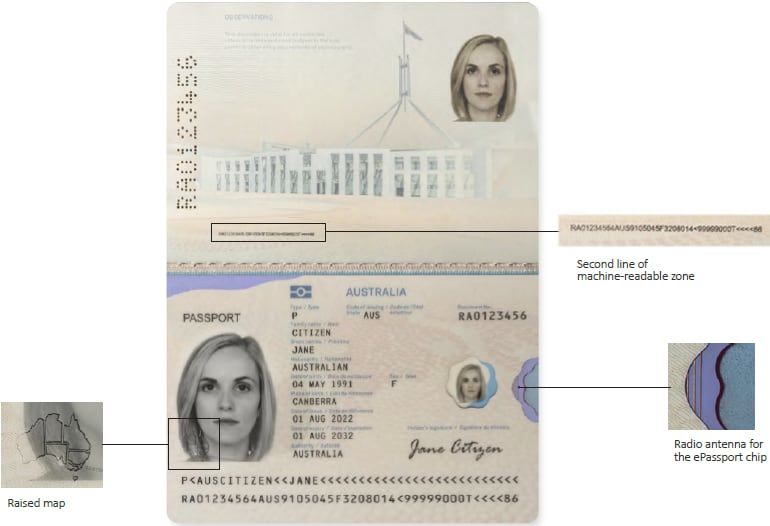
Some of the new features on the photo pages of the new R series passport.
Department of Foreign Affairs and Trade
Department of Foreign Affairs and Trade
A tactile raised map of Australia is embedded in the lower-left corner of the main photo, while a radio antenna for the embedded ePassport chip is visible at the far right of the page.
The front cover is more refined than the older P series, while the back cover is decorated with two embossed kangaroos in Indigenous design, while inside pages showcase Australia’s natural beauty.
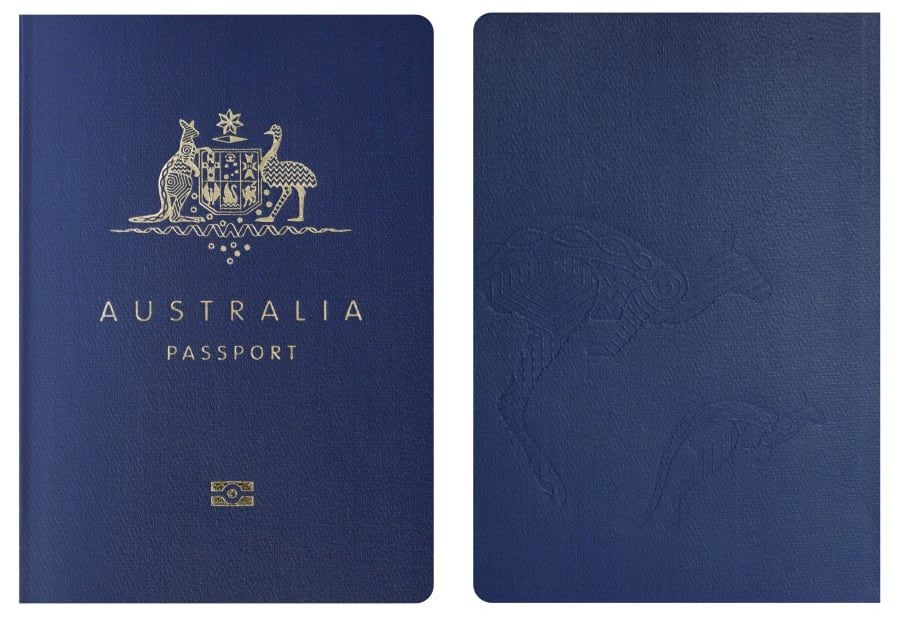
Australia's new-look R series passport.
Department of Foreign Affairs and Trade
Department of Foreign Affairs and Trade
The inside front and back cover pages represent the country’s coasts – rather apropos, as that’s how all travellers enter and leave Australia – the blank ‘visa’ pages are decorated with photo-realistic double-page colour illustrations of iconic landscapes from around the country.
Under ultraviolet light, the sky in each image becomes a unique nightscape, and a local species of native fauna appears.

UV light turns colourful landscapes into night-time images with native fauna.
Department of Foreign Affairs and Trade
Department of Foreign Affairs and Trade
Other hidden features: the wattle on the ‘security features’ page changes colour when held at different angles, and under ultraviolet light a red and white wattle appears on the inside front cover, under the Governor-General’s message on the inside front cover.
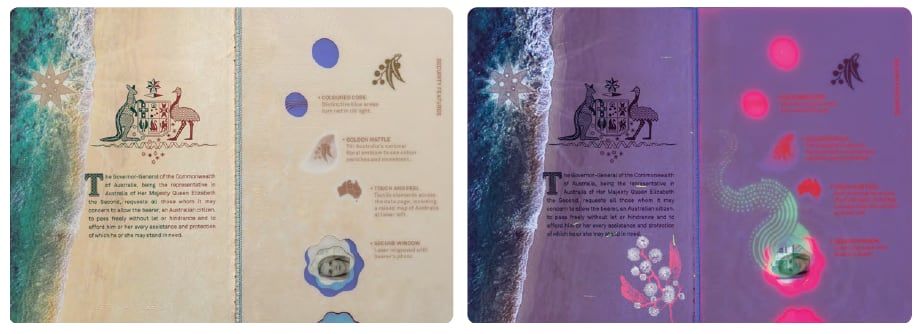
UV light reveals extra hidden details on the new R series passports.
Department of Foreign Affairs and TradeAlso read: Australian passport applications are going online