

Tourists to pay up to double for Japan’s attractions
A new pricing system means foreign visitors to Japan will face higher costs at major attractions.
By Staff Writers, March 12 2025

Travellers heading to Japan will soon find themselves paying higher prices than locals to visit some of the country’s top attractions.
Under a controversial dual-pricing system, tourists will be charges more than Japanese residents at theme parks, historic landmarks, and cultural sites starting this July – with some prices nearly doubling.
Hokkaido’s Niseko Ski Resorts will charge tourists ¥6,500 per day, compared with ¥5,000 per day for locals.

It'll also cost you more to ski on Japan's famous slopes.
At Junglia Okinawa, a nature-themed park opening in July, overseas visitors will be charged ¥8,800 (AUD$95) while locals will pay ¥6,930 (AUD$75), a difference of almost 30%.
The country’s network of historic shrines and temples has proposed charging residents as little as ¥500 per site, while tourists will pay ¥1,000.
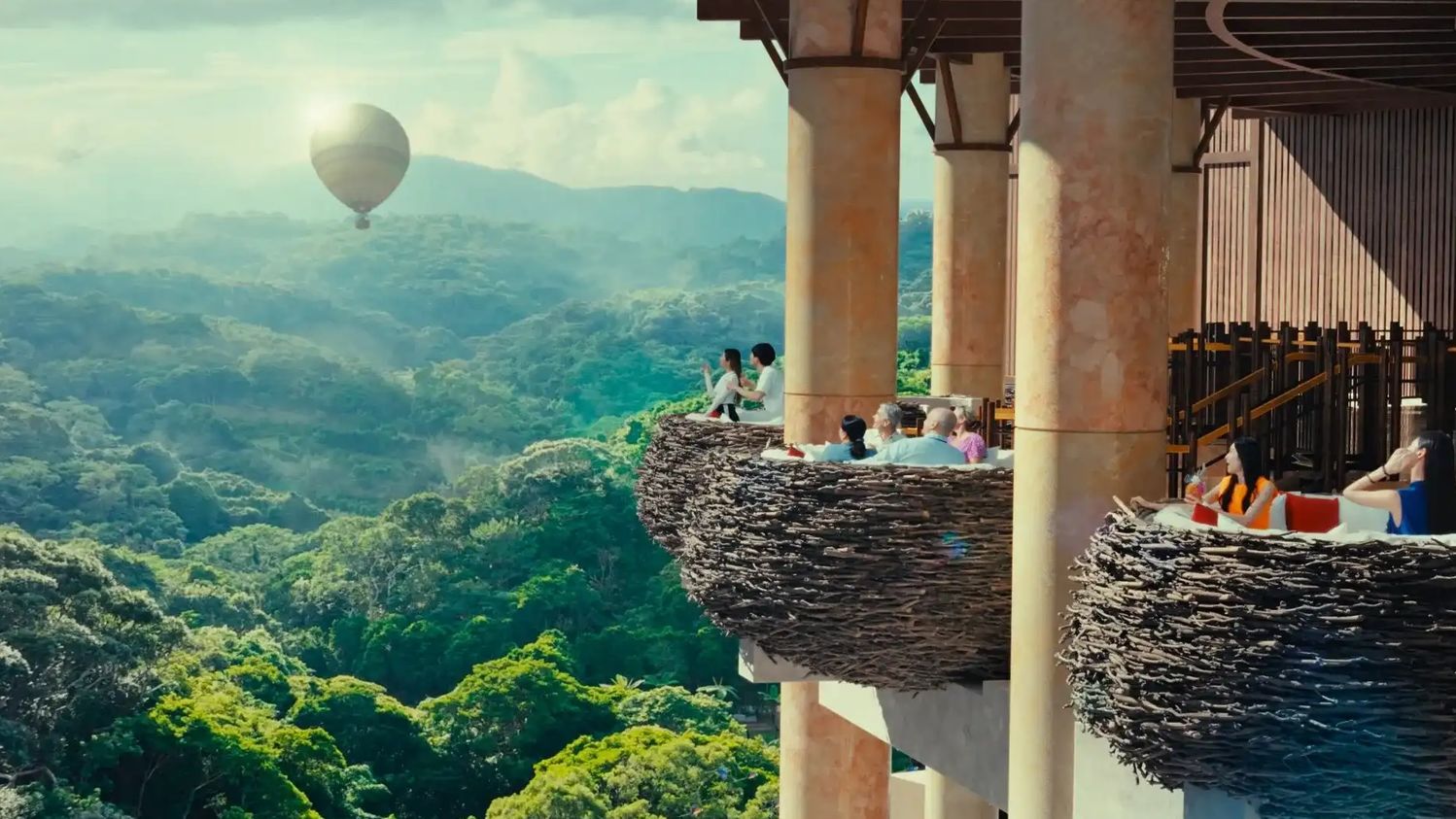
Tourists will pay 30% more for a day-pass to Okinawa's new Junglia resort.
Future pricing adjustments are expected at popular sites like Kyoto’s Kiyomizu Temple, Fushimi Inari Shrine, and Nara’s Todaiji Temple, with government officials monitoring how the new system impacts visitor numbers before expanding it further.
The Japanese government says the new system is aimed at managing overtourism and funding cultural preservation.
While similar models exist in countries like Thailand, Bhutan, and Indonesia, this marks a major shift for Japan, a country known for its tourism-friendly policies.
Japan welcomed over 36 million tourists last year, and that number is only expected to rise, fulled by the weak yen.
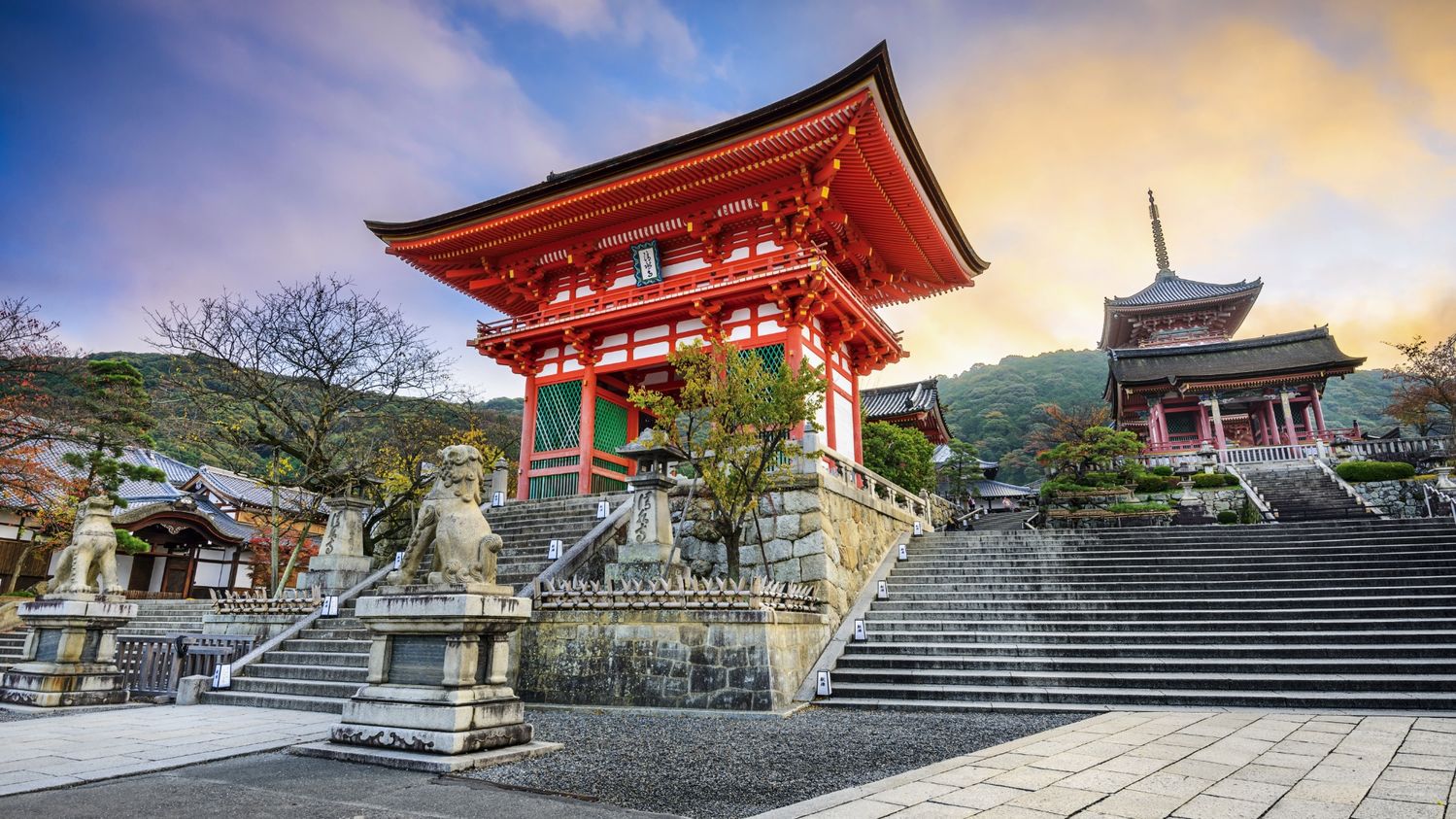
Visiting temples and shrines will cost tourists twice as much as locals.
While this tourism boom has provided a much-needed boost to the nation’s economy, it has also led to overcrowding, increased wear and tear on heritage sites, and frustration among locals who feel their cities are being overrun.
Officials argue that the extra revenue from tourist surcharges will go toward maintaining cultural sites, managing infrastructure, and improving visitor experiences.
A similar system is already in place in Thailand, where foreigners pay higher entry fees for national parks and historical sites, and Venice has introduced an entry tax for day-trippers.
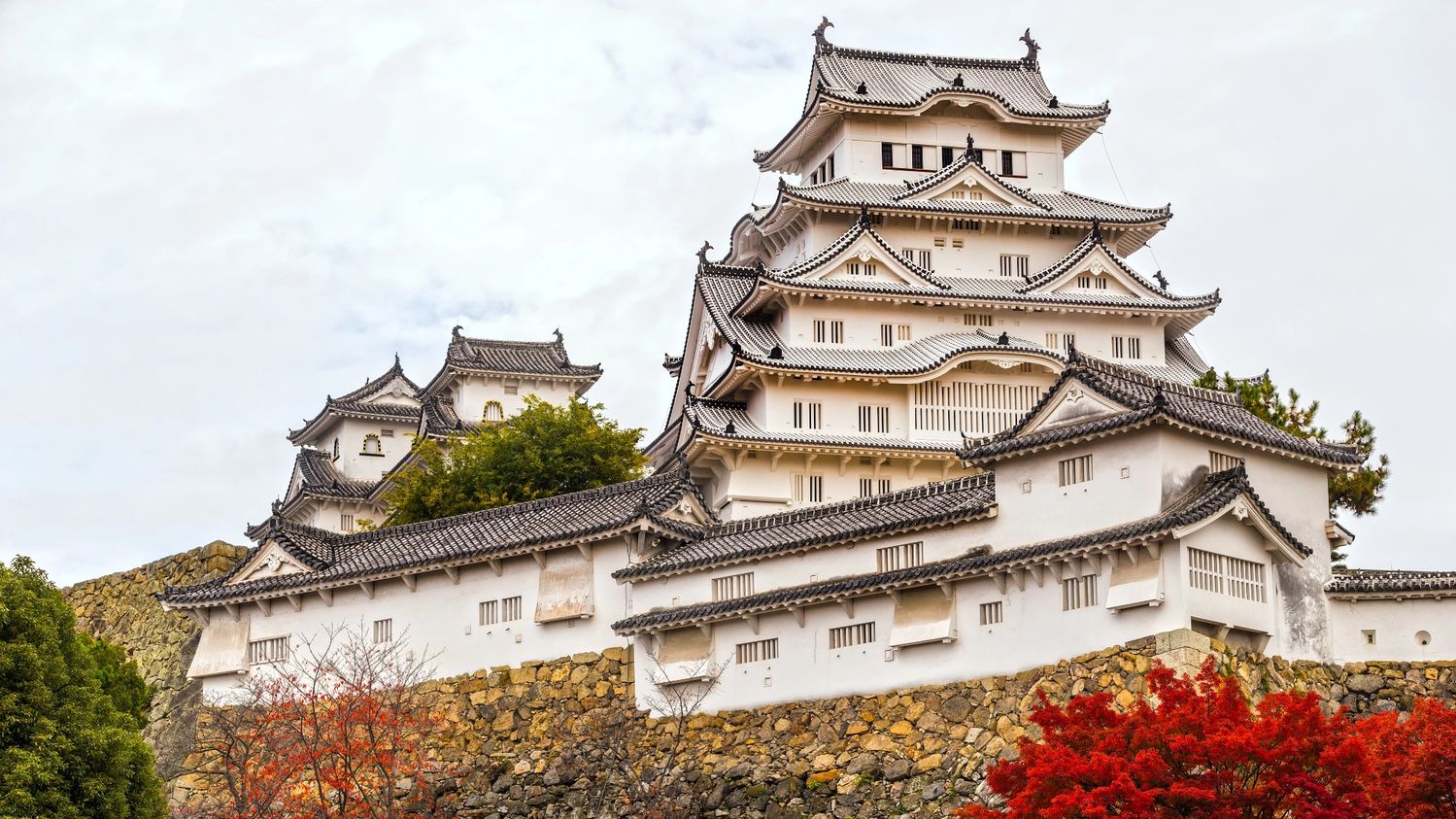
Must-see attractions will adopt dual-tier pricing for locals and tourists.
Japan’s model, however, is unique in that it applies to a broader range of attractions and services.
For now, the system is rolling out gradually, but if it proves successful, Japan could expand dual pricing to more locations, making it a standard part of the travel experience.
As previously reported, Japan is also planning mandatory travel authorisations for foreign visitors, with the rollout of a digital visa-waiver program – tentatively named JESTA – for over 70 countries which currently enjoy hassle-free entry to Japan.
That extensive list includes Australia, New Zealand, the United Kingdom, Canada and the USA, Singapore, Hong Kong and Taiwan, along with most European countries.

Hi Guest, join in the discussion on Tourists to pay up to double for Japan’s attractions