The iconic Boeing 747 jumbo jet: a history in pictures
Celebrating the jet which ushered in a new 'golden age of travel'.
By Bloomberg Pursuits, September 29 2018

The world got its first glimpse of the Boeing 747 almost 60 years ago, on September 30, 1968, as the first hulking jetliner rolled out of a factory in Everett, Washington, which had been built to produce the aircraft.
Ever since, people have not stopped gawking at the iconic humpbacked aircraft, whose stately lines resemble those of a cruise ship, and which shrank the globe and transformed long-distance air travel.
The 747's design defied the wishes of launch customer PanAm and the cost almost bankrupted Boeing.
But the jumbo jet shrank the globe, introduced concepts and technologies that forever changed long-distance travel, from twin aisles to inflight entertainment.
Boeing went on to sell over 1,500 of the aircraft as it was redesigned and updated over the decades.
This pictorial history shares some of the highlights of the Boeing 747's incredibly world-changing journey.
Crowds of people gathered to see the 747 roll out of the factory for the first time, with Boeing saying some 50,000 people had a hand in bringing it to life – from construction workers, engineers and mechanics, to secretaries and administrators.
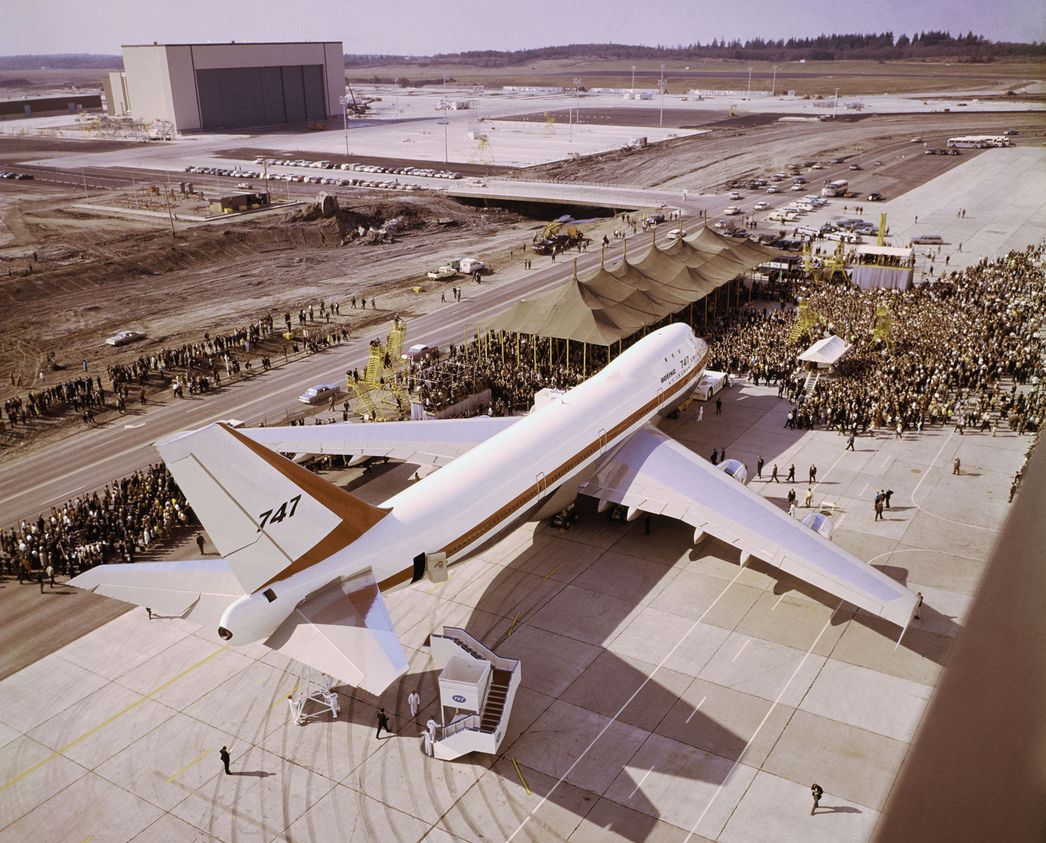
The team – led by Joe Sutter, Boeing's fiery tempered chief engineer – was dubbed “The Incredibles.”
The mighty 747 was created with a handshake agreement between the CEOs of Boeing and PanAm, in anticipation of a surge in passenger traffic and increasingly crowded skies.
But the plane wasn’t the one PanAm had in mind when it placed the order. Juan Trippe, the airline’s founder, had envisioned an 'aerial ocean liner' – a double-decker, single-aisle aircraft seating 400 people.
To Sutter, Trippe's insistence on the single-aisle design doomed the chances for the big plane's success – although Boeing only planned for the 747's success to be short-lived.
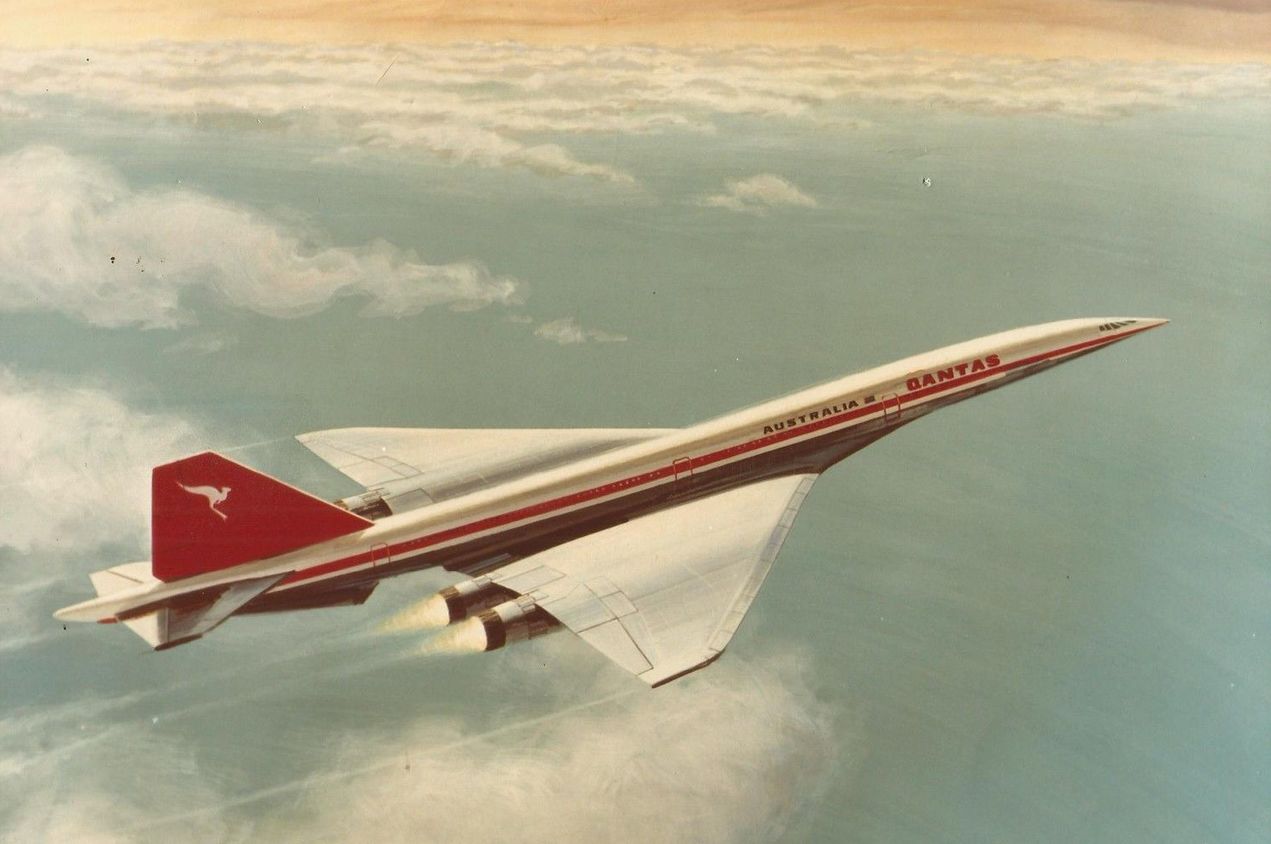
Many in the aviation industry believed that supersonic was the future of air travel. Faster, not larger, would be the new order of long-range routes.
To this end, Boeing was developing its own supersonic jet – the futuristic Boeing 2707 supersonic transport, also known as the Boeing SST or "the American Concorde".
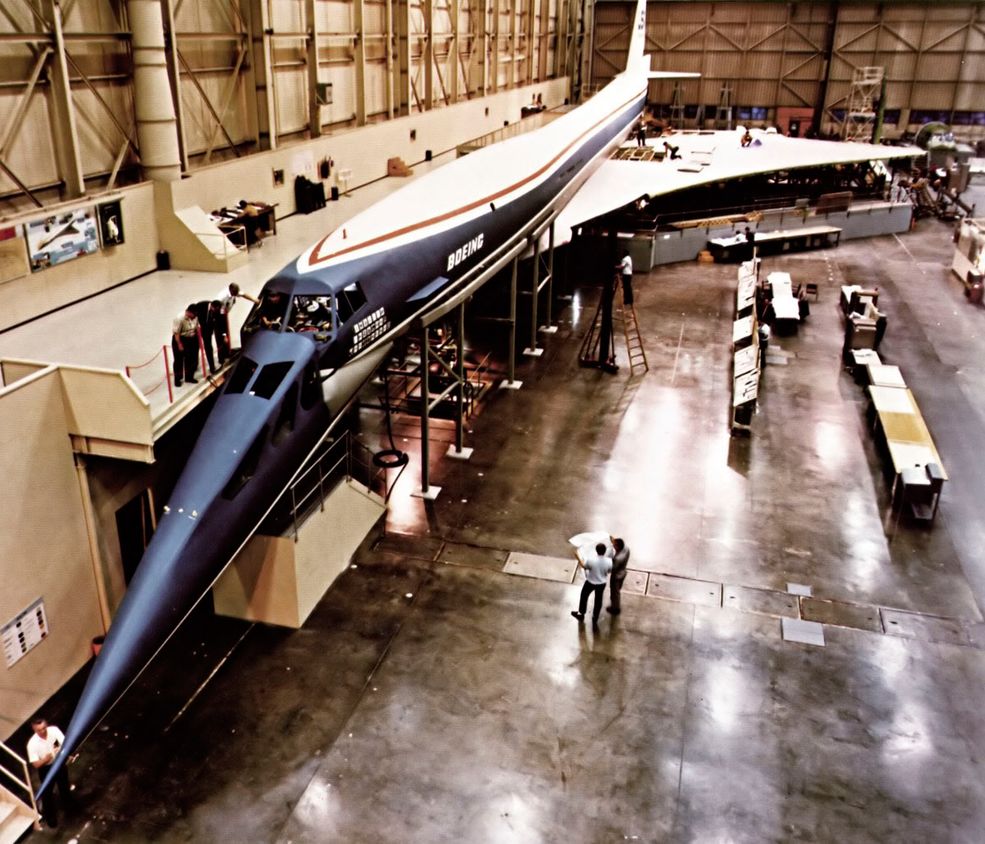
"The thinking at that time was when Concorde and the SST went into service, people would want to fly on them, and they wouldn’t want to fly on an airliner that was subsonic," reflects Mike Lombardi, Boeing’s resident historian.
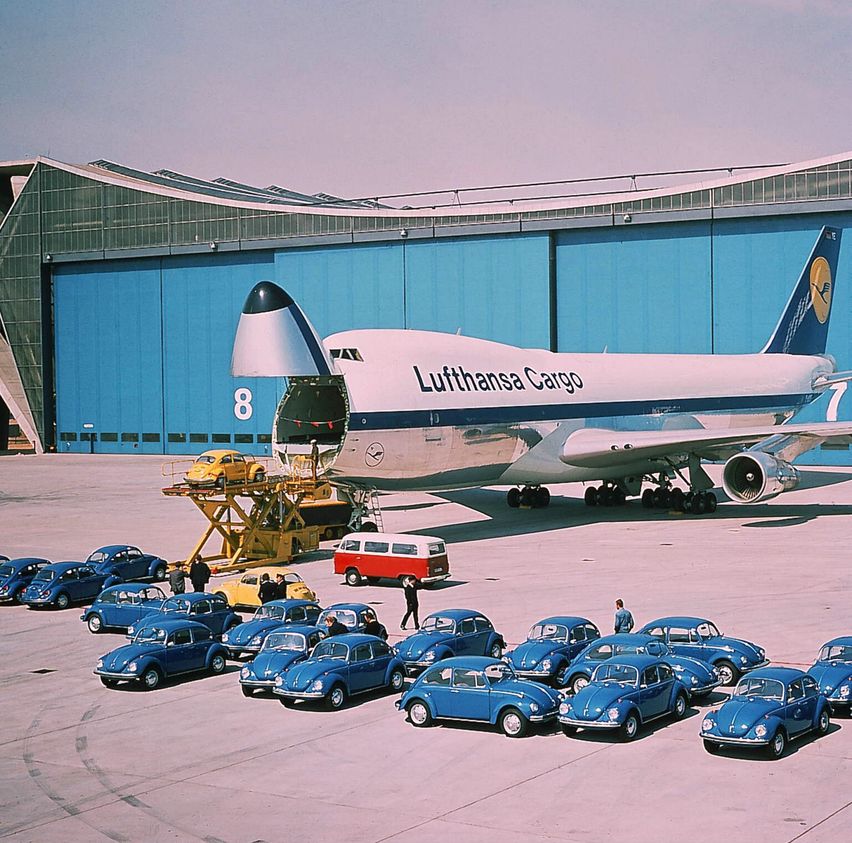
“Sutter realised that, one day, these (747) planes would have to become freighters" says historian Lombardi.
This meant adopting a cargo-friendly design in which the 747's nose could be swung up for front-loading of bulky containers, which in turn required that the cockpit be located in a hump above the main fuselage.
“Making sure the 747 could be a good cargo airplane had a tremendous influence on the design,” says Lombardi.
Lufthansa used a fleet of Volkswagen Beetle cars to demonstrate the loading capacity of its Boeing 747F freighter, in 1972.
Sutter's push for a stretched twin-aisle design – rather than PanAm's vision, which could in modern terms be described as a single-aisle A380 – not only contributed to the 747's commercial success but set the standard for in long-haul jets.

A Boeing 747 cabin mock-up at the 28th Paris Air Show in Le Bourget, 1969.
Boeing initially designated the 747’s upper-deck hump as a rest area for flight crews, but PanAm’s Trippe immediately saw the potential of this space to become anything from an exclusive lounge, bar or even dining room for first class passengers.

Qantas created the Captain Cook Lounge, named for the British explorer credited with European discovery of Australia in 1770.
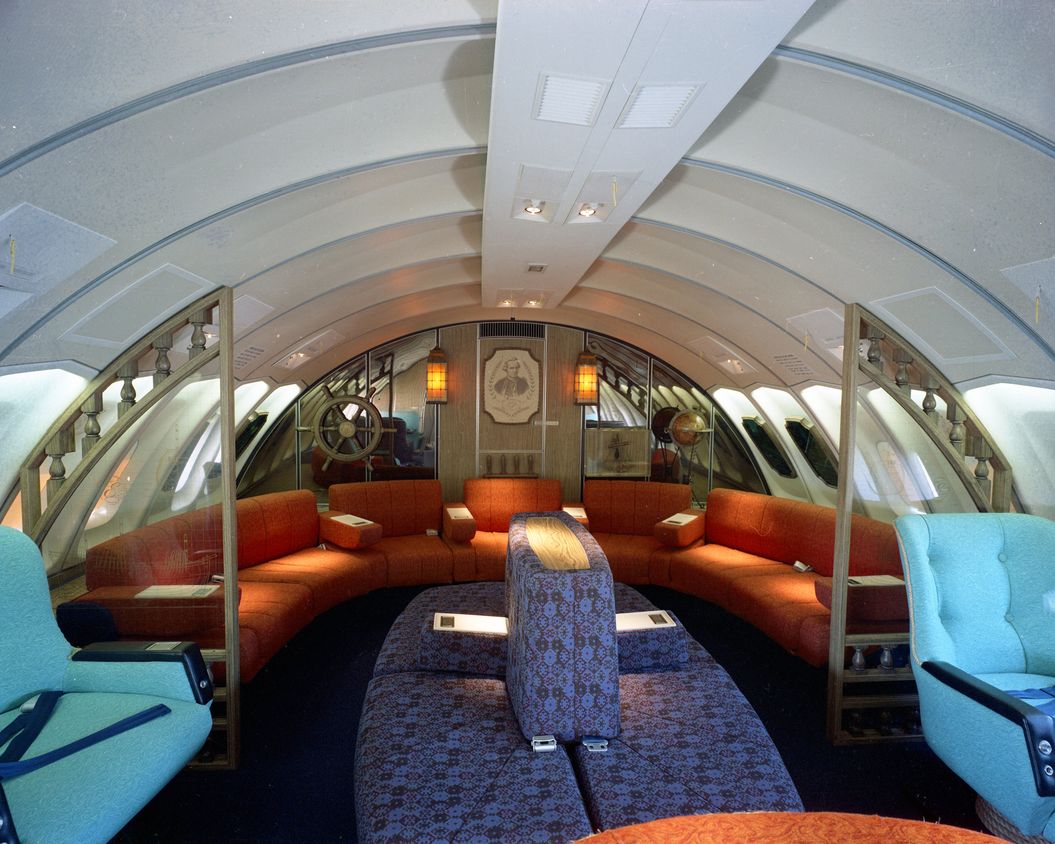
The Captain Cook lounge had seating for 15 passengers, a stand-up bar and – Qantas now admits with the benefit of hindsight – "décor that should have come with a volume control."
"Images of James Cook, replica lanterns and even rope was used to give the impression passengers were seated inside a replica sailing ship rather than a brand new widebody jet."

PanAm turned the jumbo's upper deck into a 'restaurant in the sky' for its first class passengers...
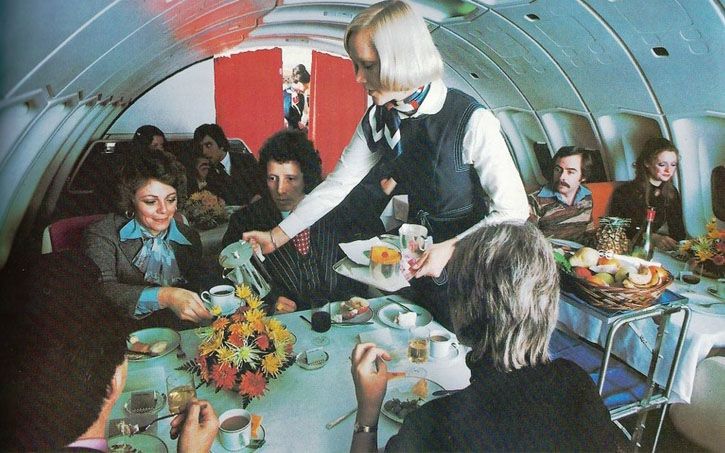
... while United opted for a chic cocktail lounge...

... and Singapore Airlines chose a combination lounge and dining area where the seats could also be converted into 'sleeperettes' once airborne.
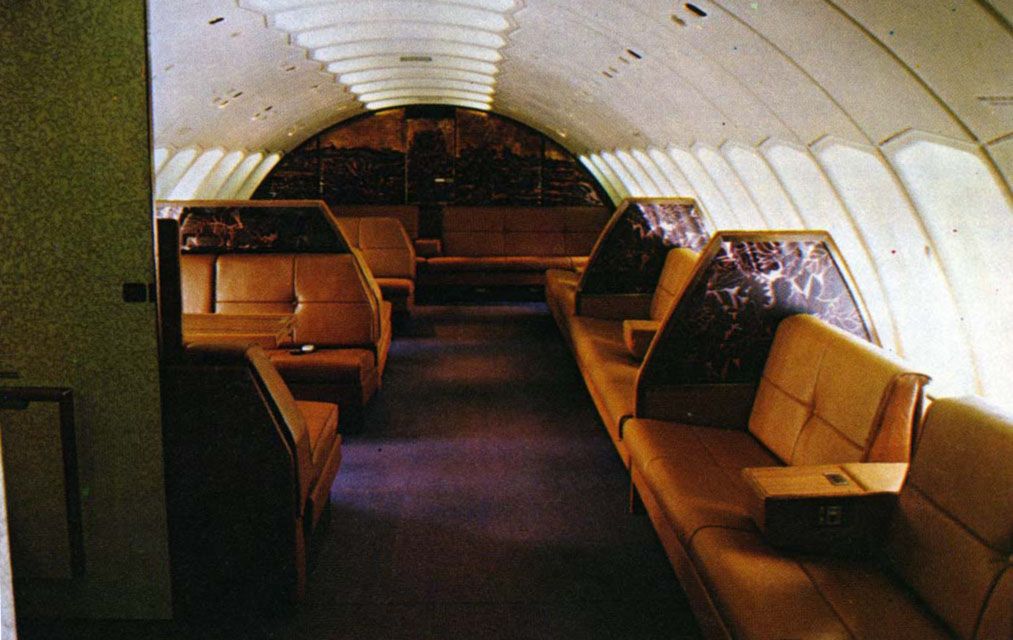
Following the oil crisis of the 1970s, airlines jettisoned their optimism and converted the hump's premium real estate into space for adding more seats.
It's less-known that Boeing also envisaged a below-decks lounge in the Boeing 747's spacious cargo hold.
Decorated in the now-questionable style of the day, from animal-print furniture to the lurid orange carpet, the aptly-named Tiger Lounge was straight out of the swinging sixties.
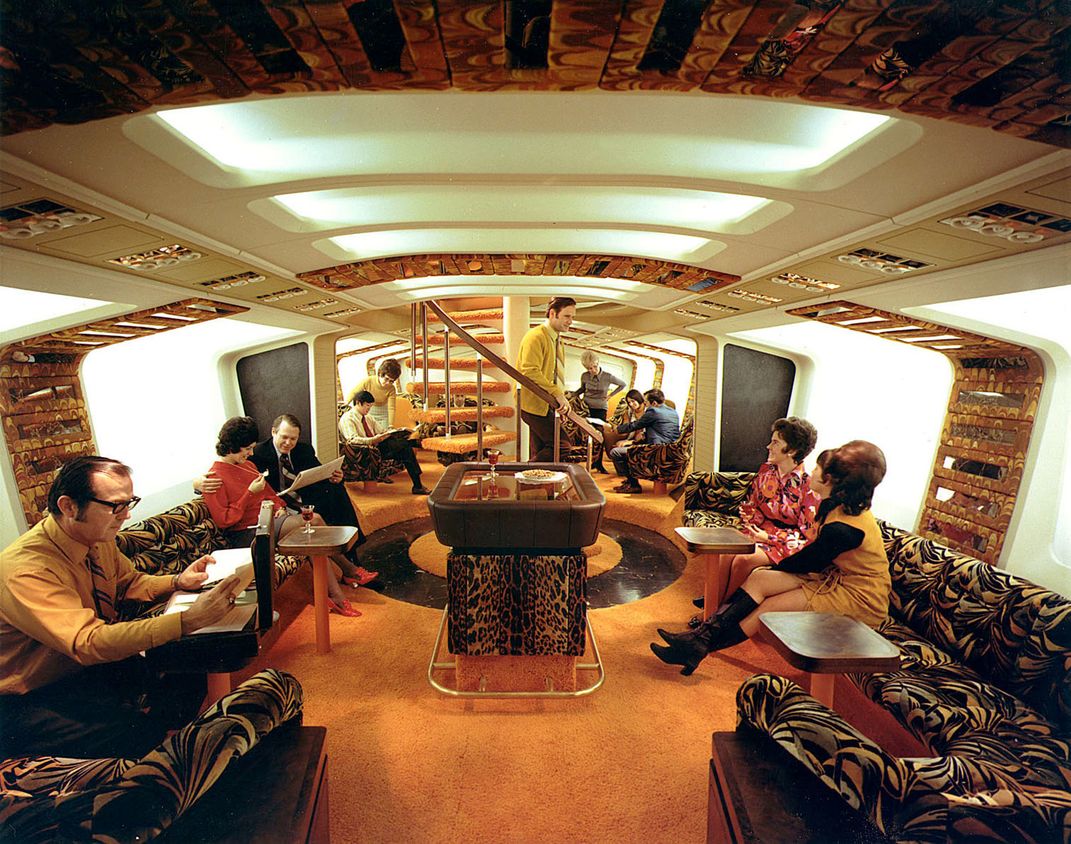
Photos: Boeing's groovy Tiger Lounge in the belly of the 747
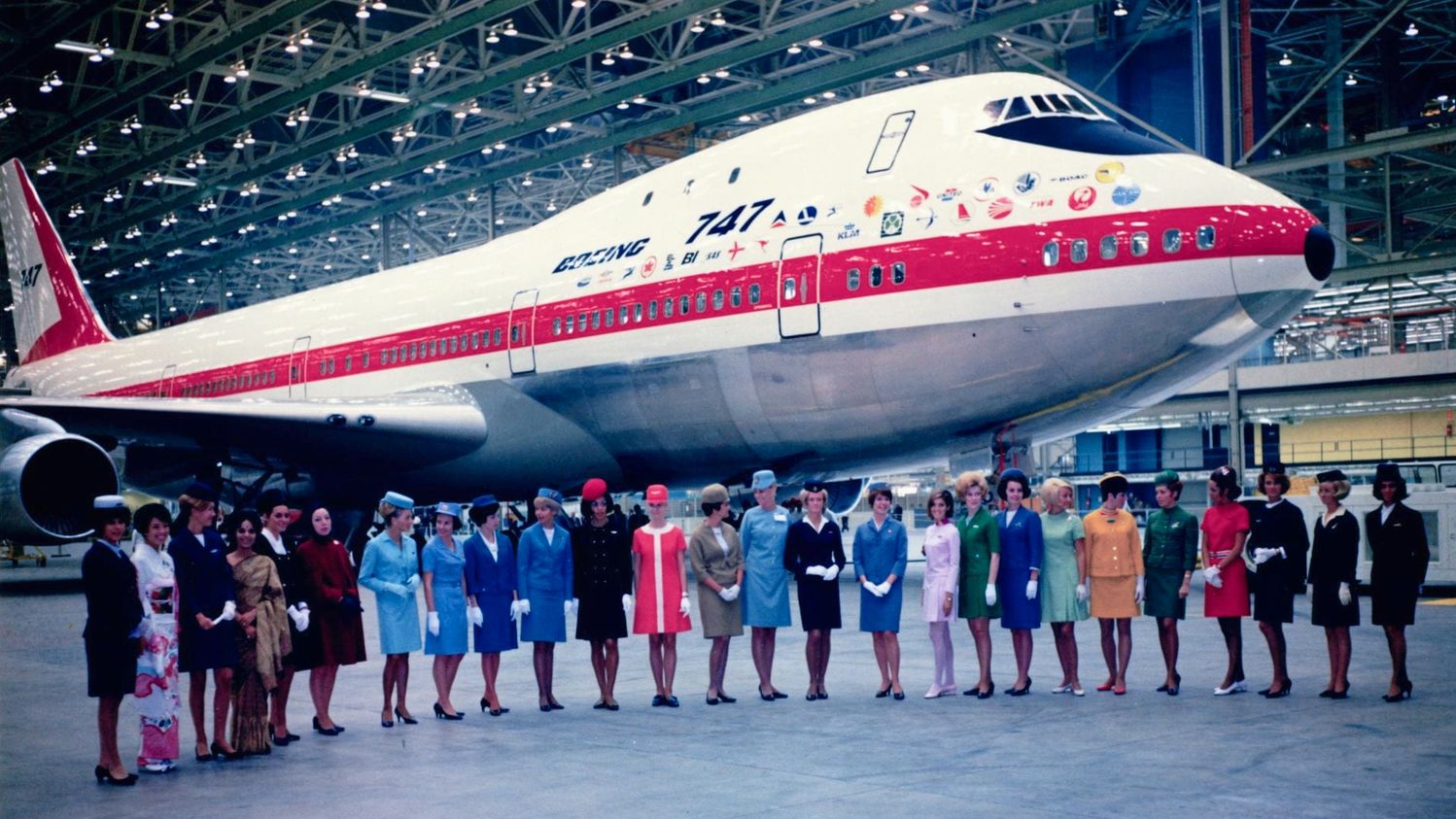
When Boeing officially launched the 747, twenty-six flight attendants representing each airline to order the jet posed in front of the aircraft.
PanAm's inaugural 747 flight, from New York to London, secured its place in the history books with a landing in London on January 22, 1970.
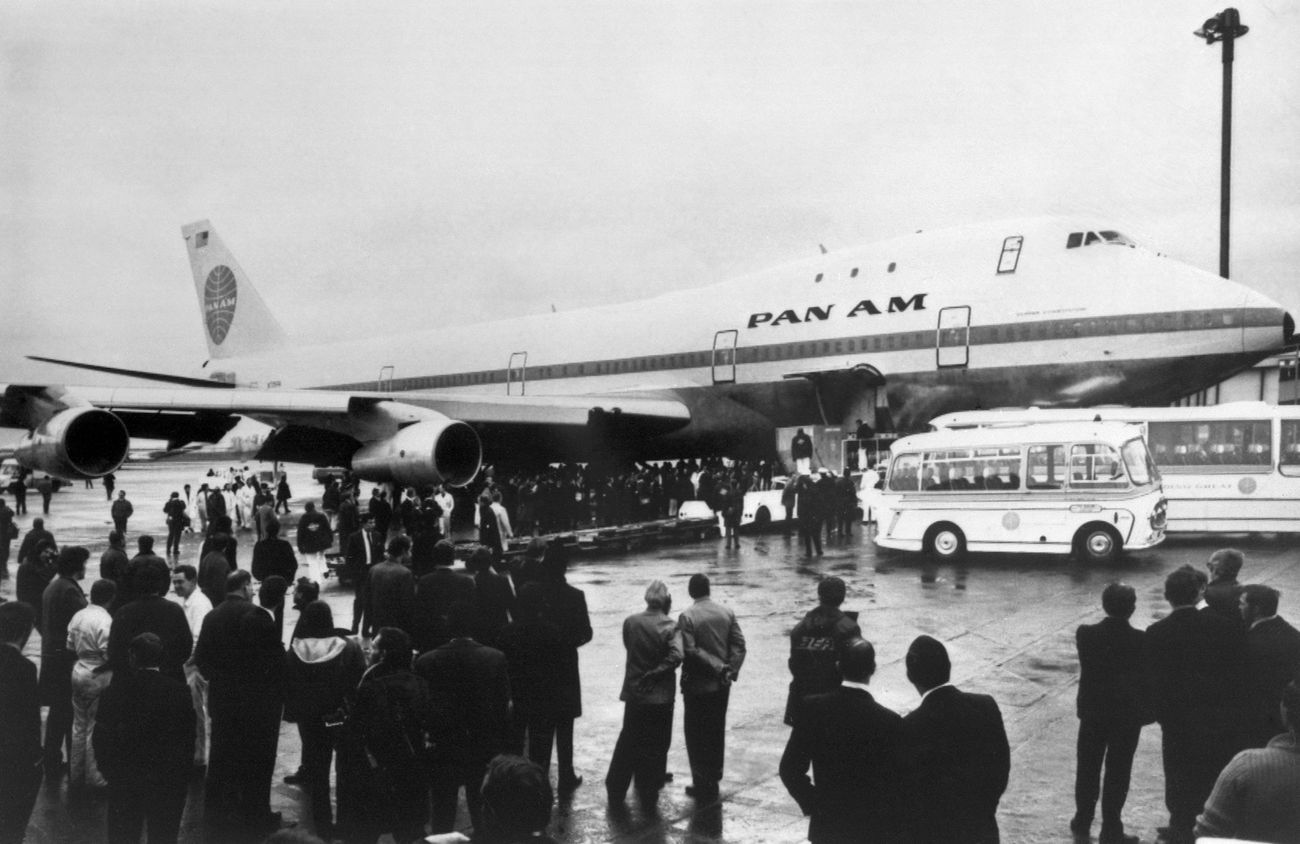
The 747’s first flight to London carried Pam Am employees and FAA officials to Heathrow Airport.
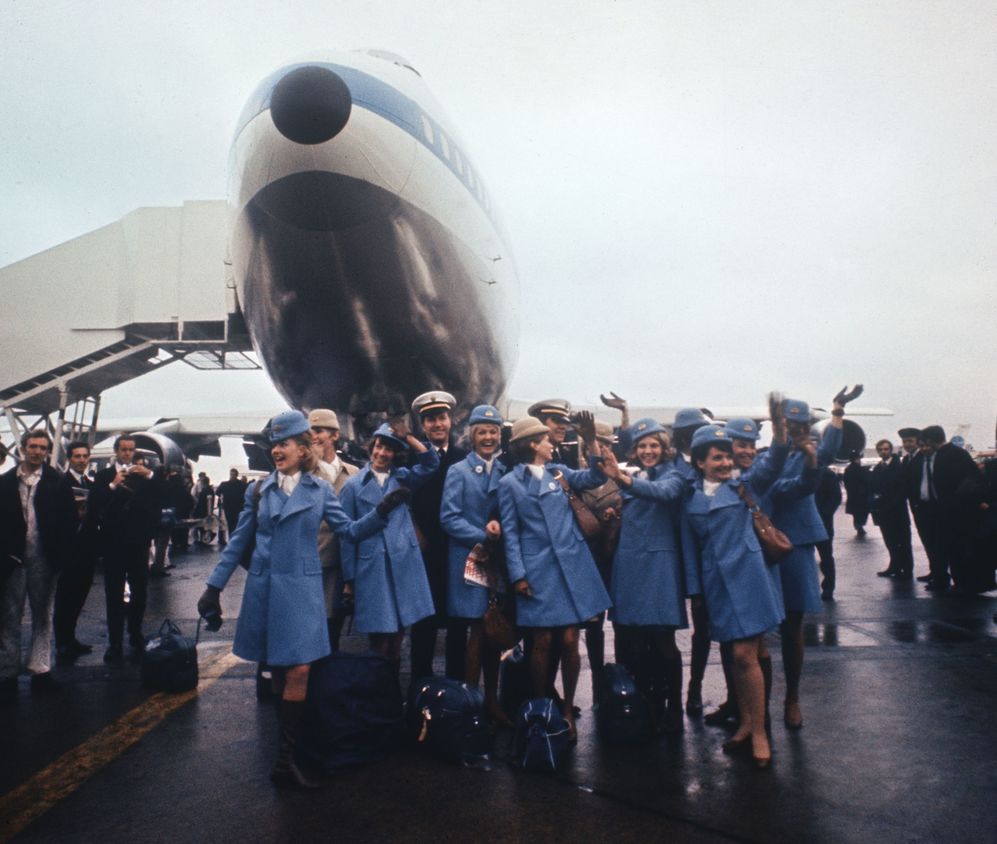
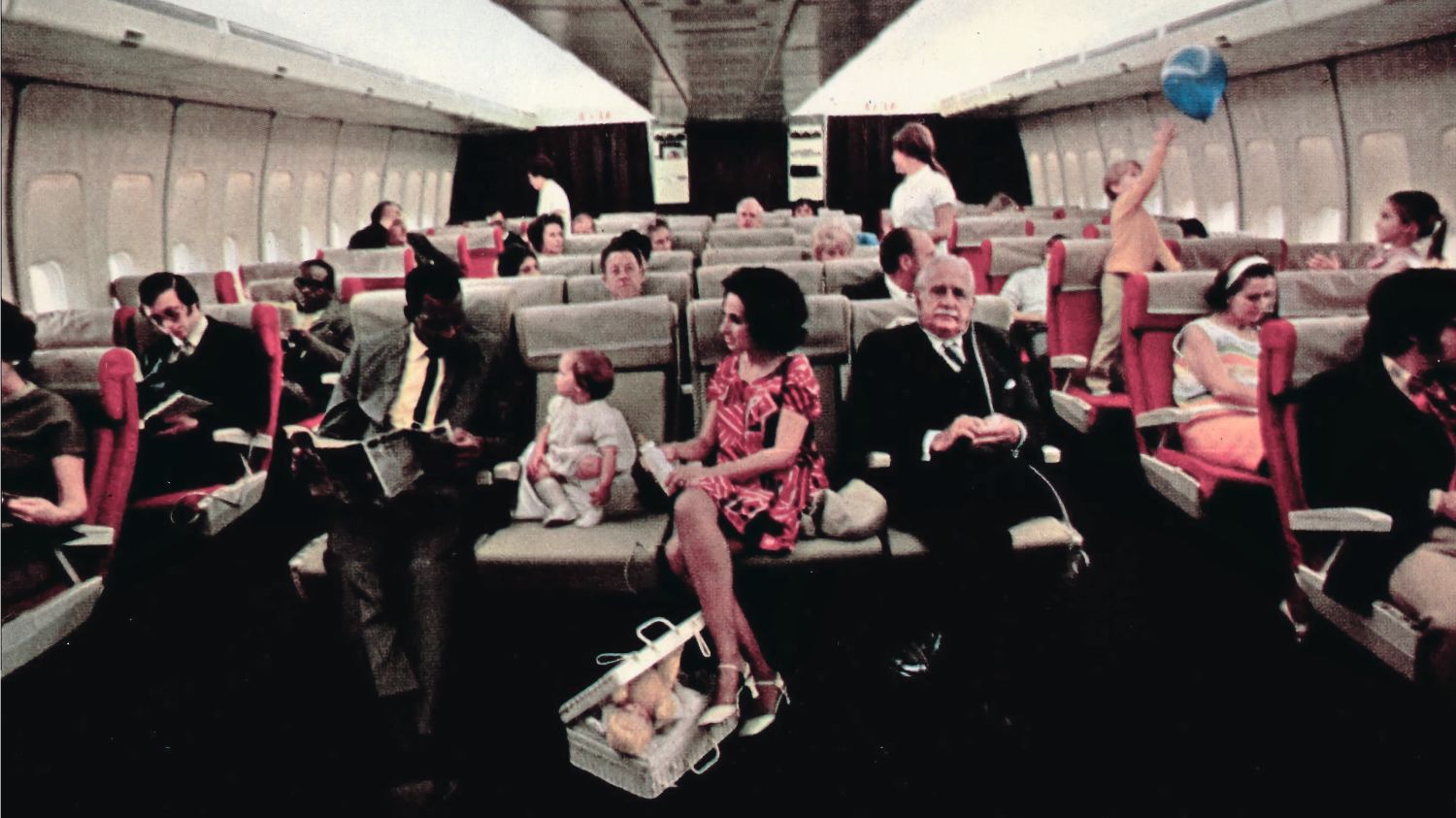
Pam Am became a poster child for the 747: together, they symbolised a new "golden age" of air travel which was now available to more people at lower prices.
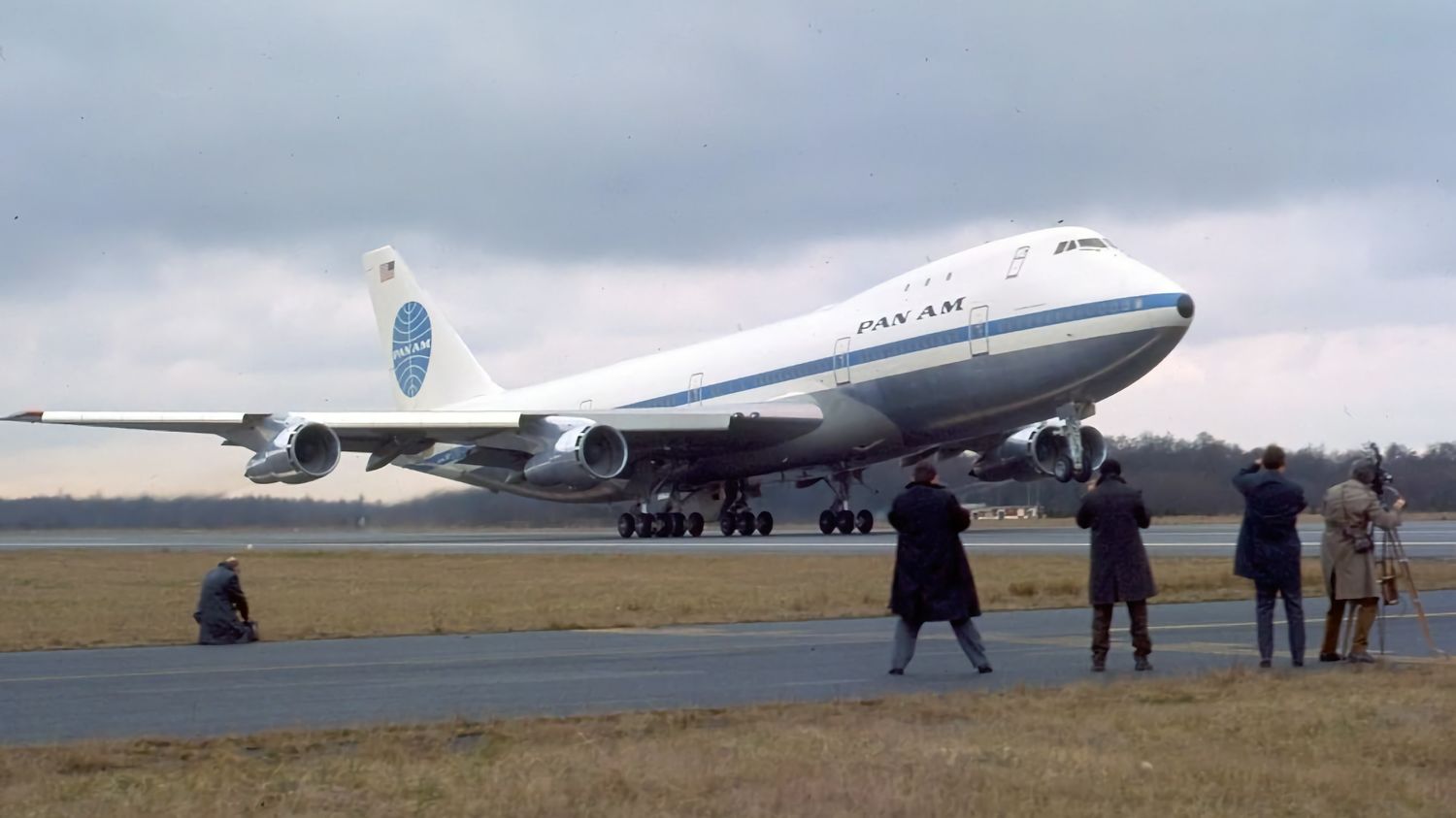
With increased capacity and lowered costs, the 747 helped make air travel accessible to the middle class – and even the cheapest economy seats were more comfortable than today's premium economy, with Pan Am promoting the 747 as "The plane with all the room in the world."
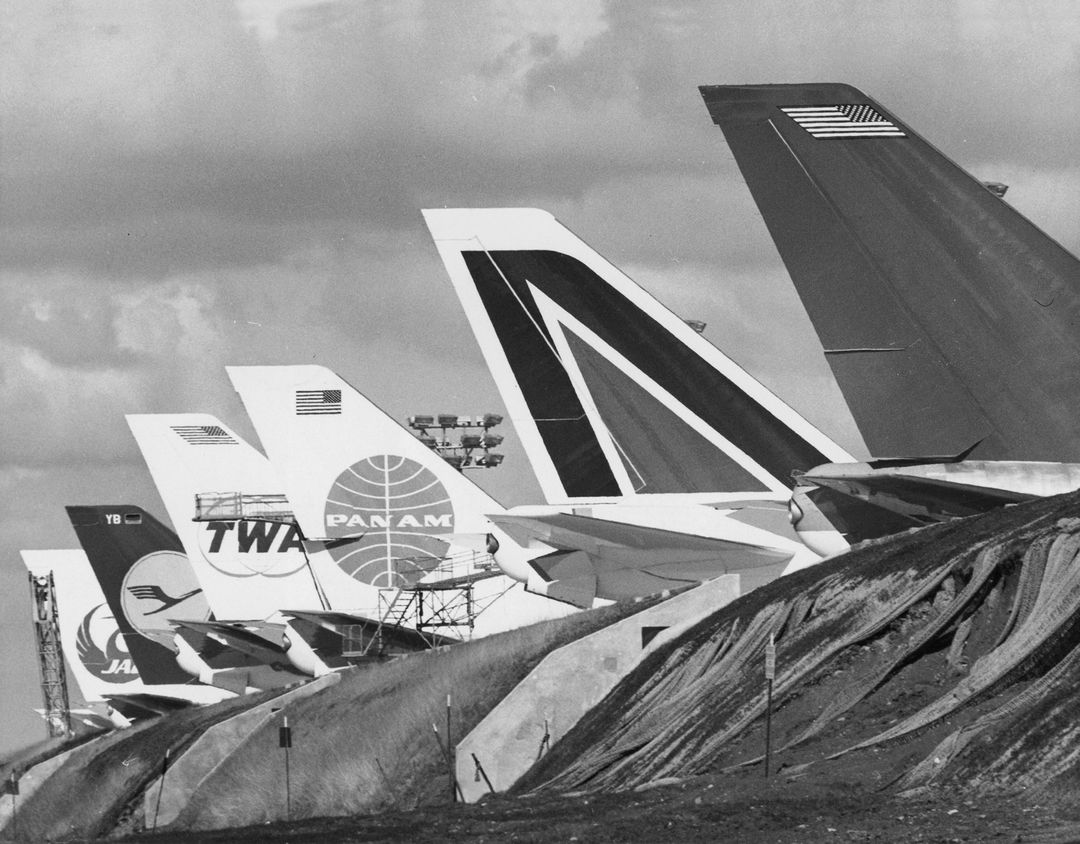
Six new Boeing 747 tails are displayed on the embankment of the Boeing Everett Factory in 1970, waiting to be delivered to their respective airlines – soon, the 747 was the plane to be flying.
Here, film technicians at Pinewood Studios set up a miniature air crash sequence for the film The Medusa Touch on August 9, 1977, using scale models of a Boeing 747 and a skyscraper.

The single runway of Hong Kong's Kai Tak International Airport provided a challenging landing for pilots...

... as Boeing 747s glided over the streets of Kowloon, close enough to give sharp-eyed passengers a view into the kitchens and living rooms of some apartments.

Below left: NASA's 747 Shuttle Carrier Aircraft takes off from Dryden Flight Research Facility, Edwards, California, with the shuttle Atlantis mounted on its back; below right, a spectator takes a photo of the Space Shuttle Endeavour mounted on top of a modified 747 as it flies over the Golden Gate Bridge on September 21, 2012.

It wasn’t just NASA that chose the 747 to transport valuable cargo.
In the mid-1980s the Reagan administration ordered two 747s to replace the ageing 707s that had been used to transport the President of the United States.
George H. W. Bush (left, exiting the plane with wife Barbara in Moscow, 1991) was the first president to benefit from the new Air Force One.
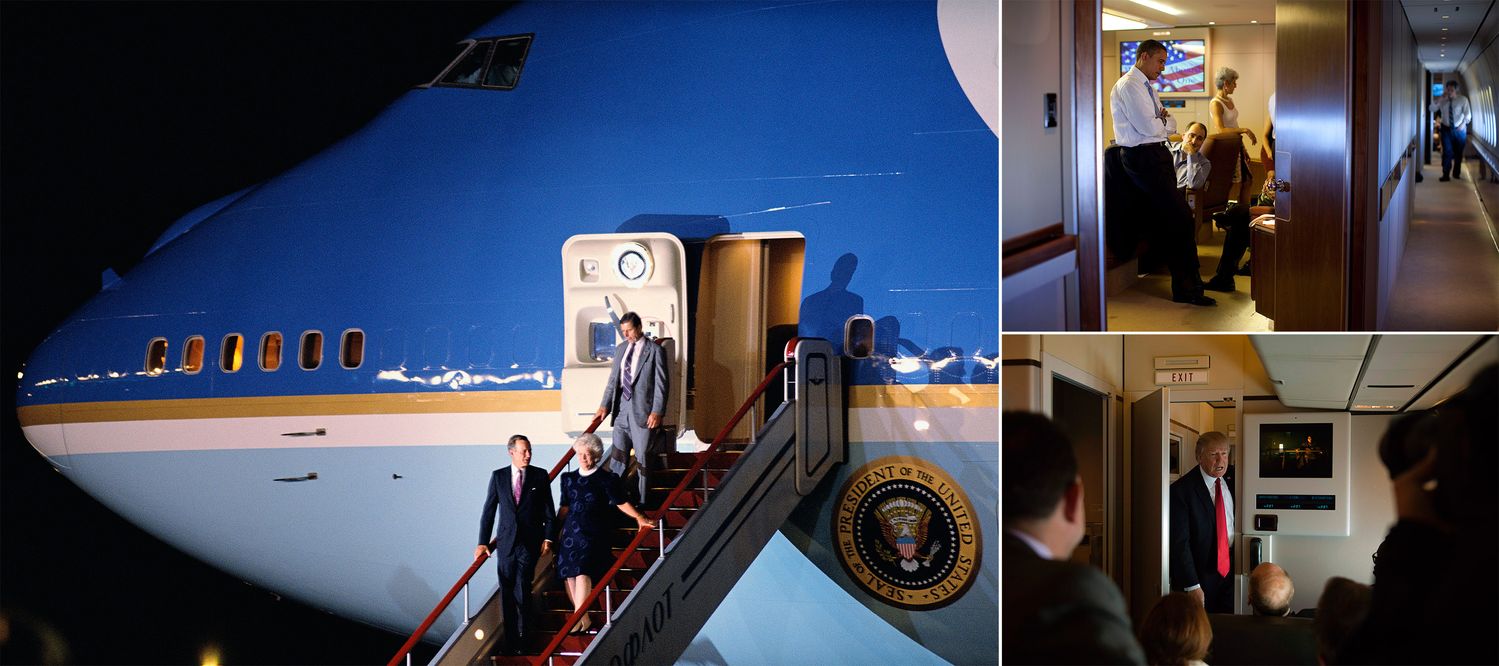
Top right, Barack Obama confers with aides on board Air Force One in November 2009. Bottom right, Donald Trump speaks to the press on board, in April 2017.
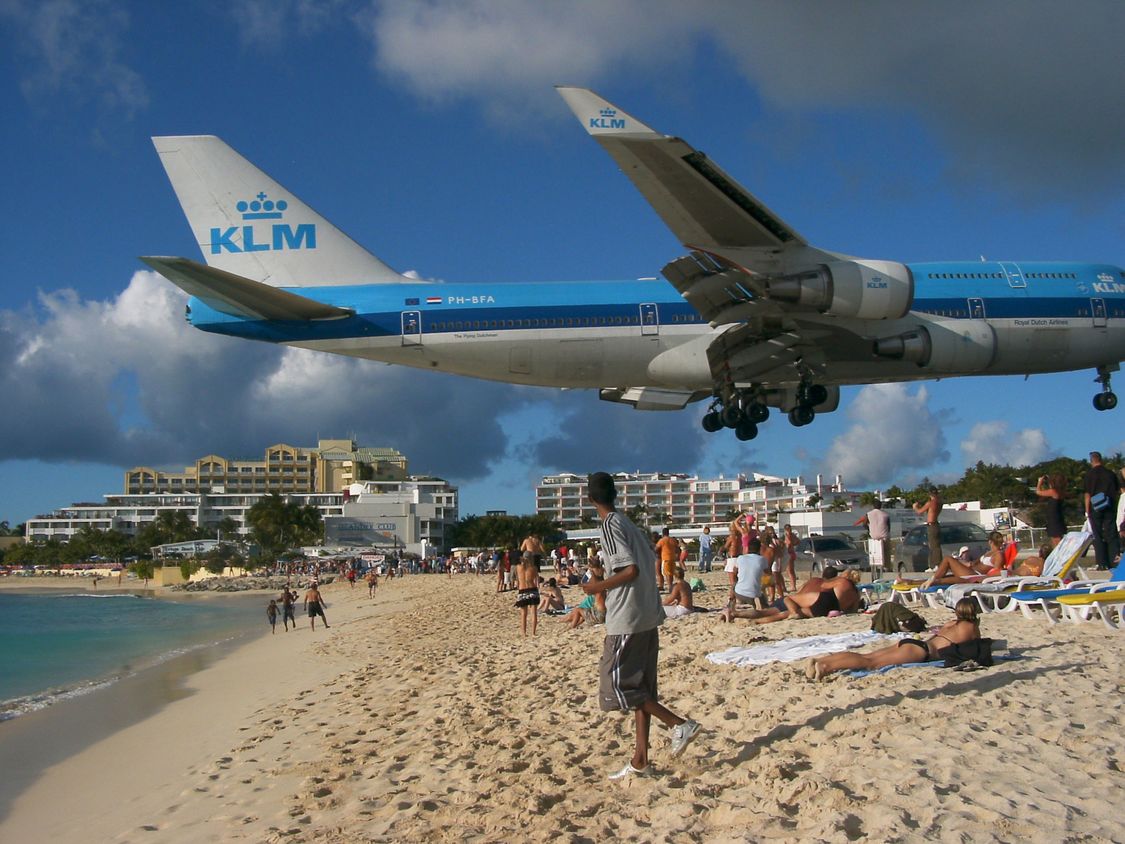
A Boeing 747-400 – the most successful version of the aircraft, which was built with advice from customers including British Airways, Cathay Pacific, Qantas and Lufthansa – comes in to land at Princess Juliana International Airport on the Caribbean island of Saint Martin in July 2002.
With Airbus developing the A380 'super-jumbo', which was a double-decker from nose to tail, Boeing began work on what was to be the last hurrah for the 747.
Initially called the 747 Advanced and later codified as the 747-8 Intercontinental, with a longer fuselage, engine overhaul and new wings, it was created at the urging of Lufthansa and Sutter, who despite retirement remained a Boeing adviser into his 80s.
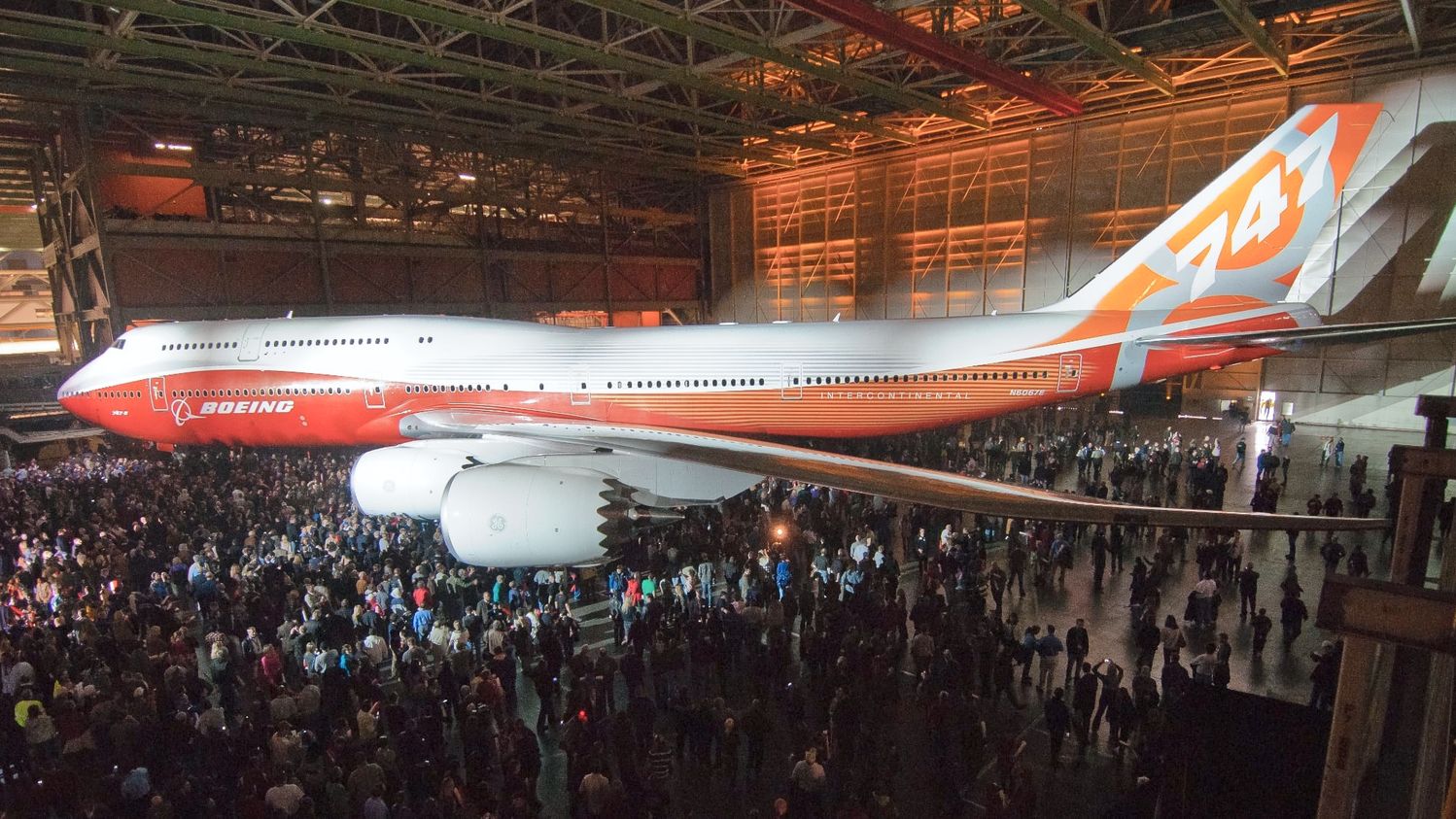
The upper deck of the 747-8 was noticeably longer; in the case of Lufthansa, it allowed an extra ten business class seats to be located on the upper deck, which passengers loved for its 'private jet' vibe.

But the upgrade proved costly: design changes and an engineering shortage caused by the tardy Dreamliner, meant the 747-8 was running years behind schedule: it didn't take flight until 2011, four years after the rival A380.
While few airlines signed up for the passenger version, the 747-8F freighter proved more popular.
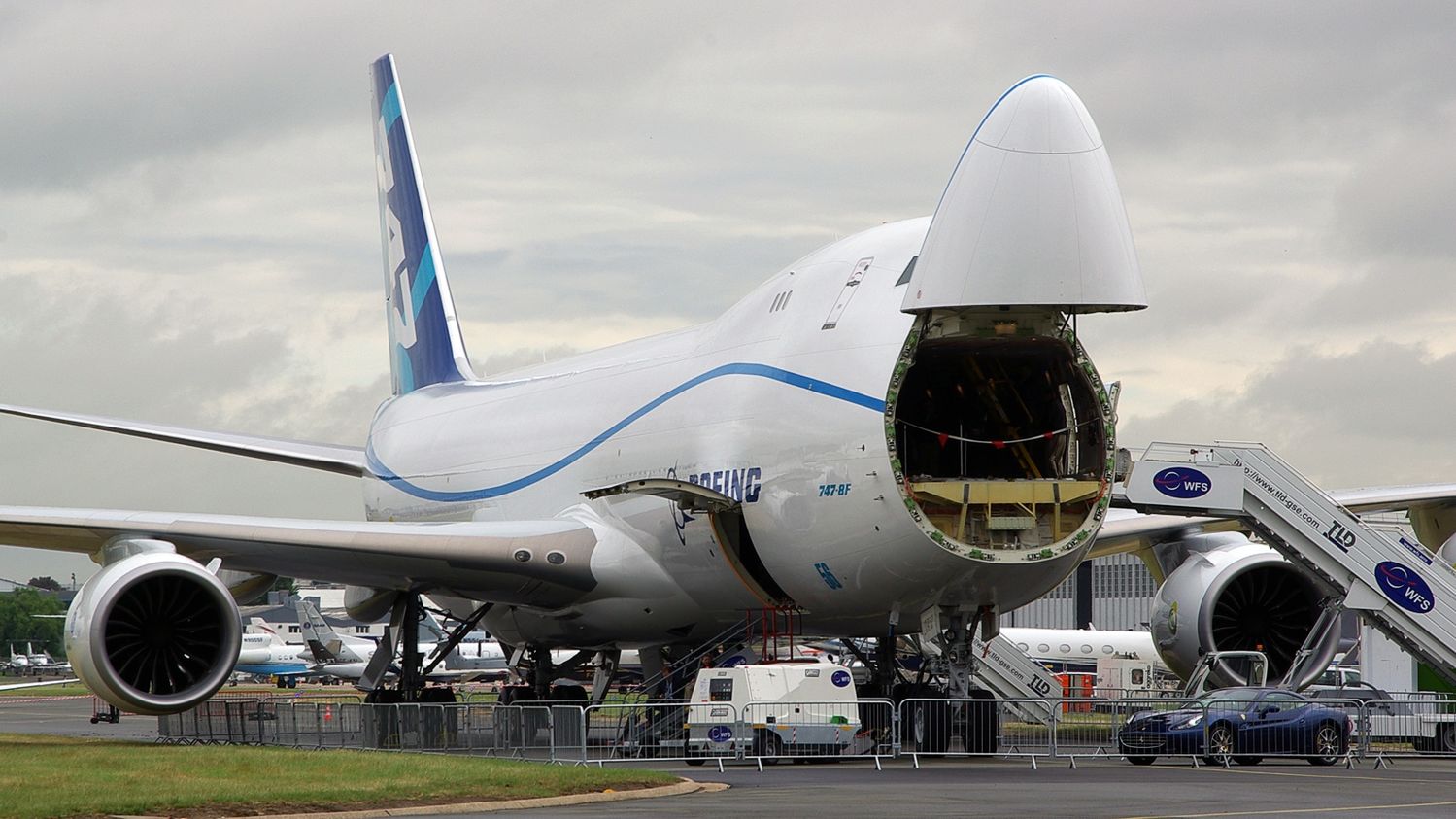
With the development of fuel-efficient aircraft such as the Boeing 777-300ER and later the Airbus A350 and Boeing 787, the 747 began losing its charm as a passenger plane.
Airlines which once proudly championed the 747 began retiring the jet, although it still commanded a special place in the heart of many flyers.
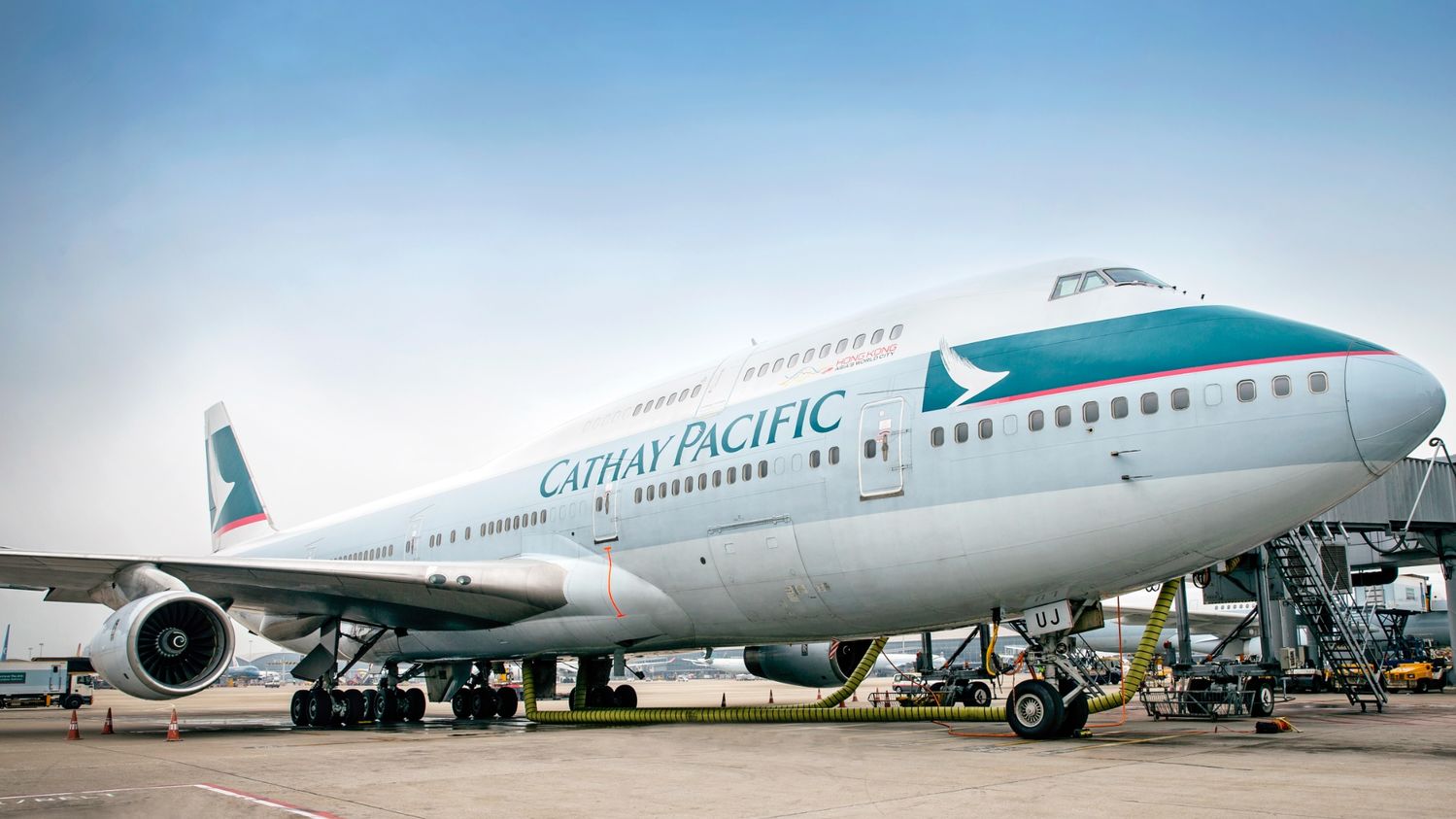
Cathay Pacific flew its last passenger 747 on October 1, 2016, although it retains 14 of the 747-8 variant as dedicated freighters.
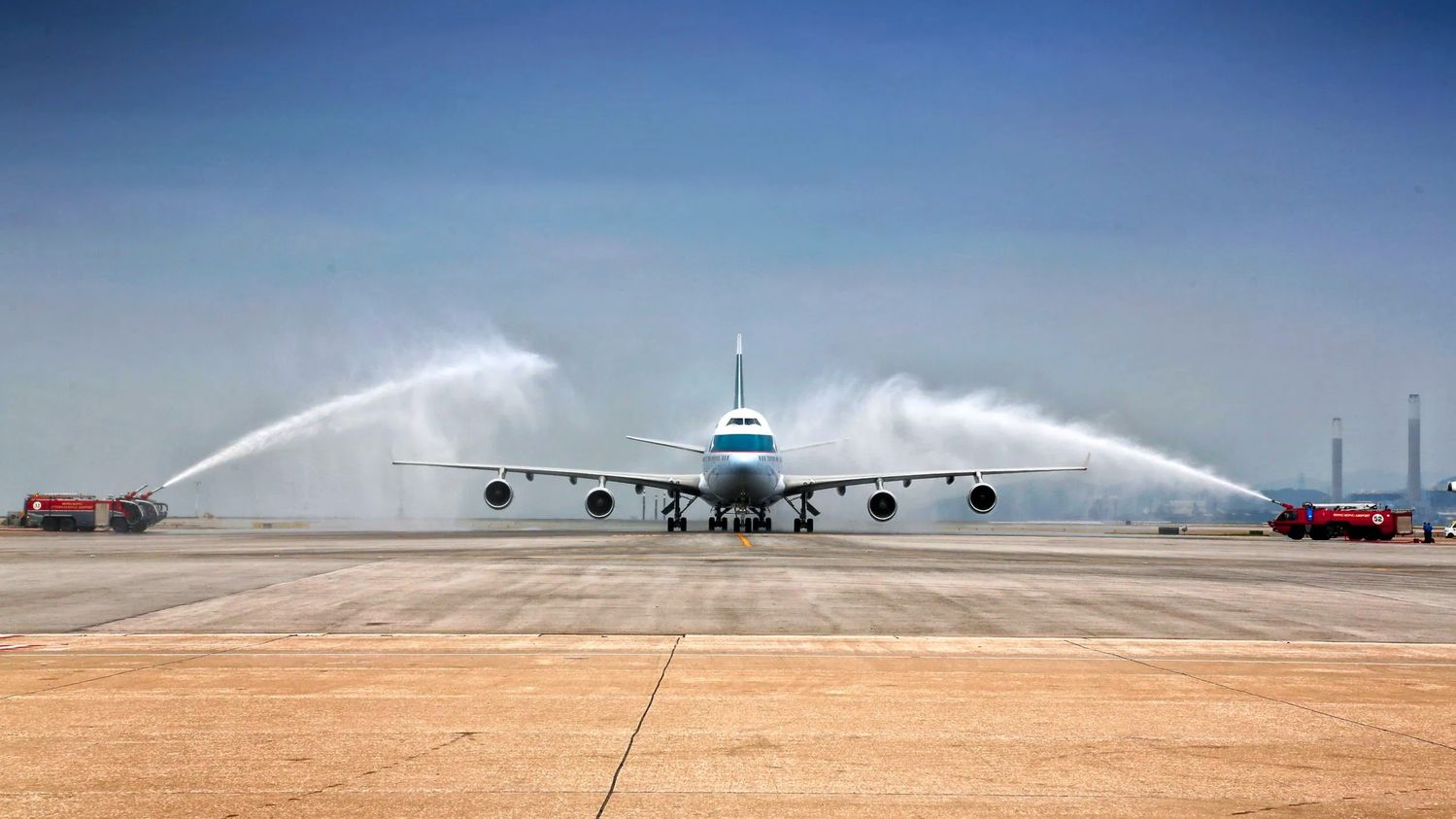
The last Boeing 747 rolled off the production line in in December 2022, marking the end of a 54-year production run for the iconic "Queen of the Skies".
The global pandemic saw many airlines accelerate the retirement of their 747s – among them Air India, British Airways, Qantas, Thai Airways and Virgin Atlantic – while those that remain flying today are largely on borrowed time, as airlines pivot towards fuel-efficient 'big twins' like the Airbus A350 and Boeing 777X.
[Story by Bloomberg, additional material by David Flynn]