Boeing’s plan for 12-across business class seating
Is this business class or sardine class?
By David Flynn, January 30 2026
There’s a finite amount of space in every airplane, and airlines are determined to wring as much money per square metre as they can.
The companies which build those airplanes – Airbus and Boeing – want to help them.
And while economy class has always been the low-hanging fruit, aircraft designers are also turning their attention to business class.
And if you believe the pointy end of the plane is all about spacious private suites in a 1-2-1 layout, think again.
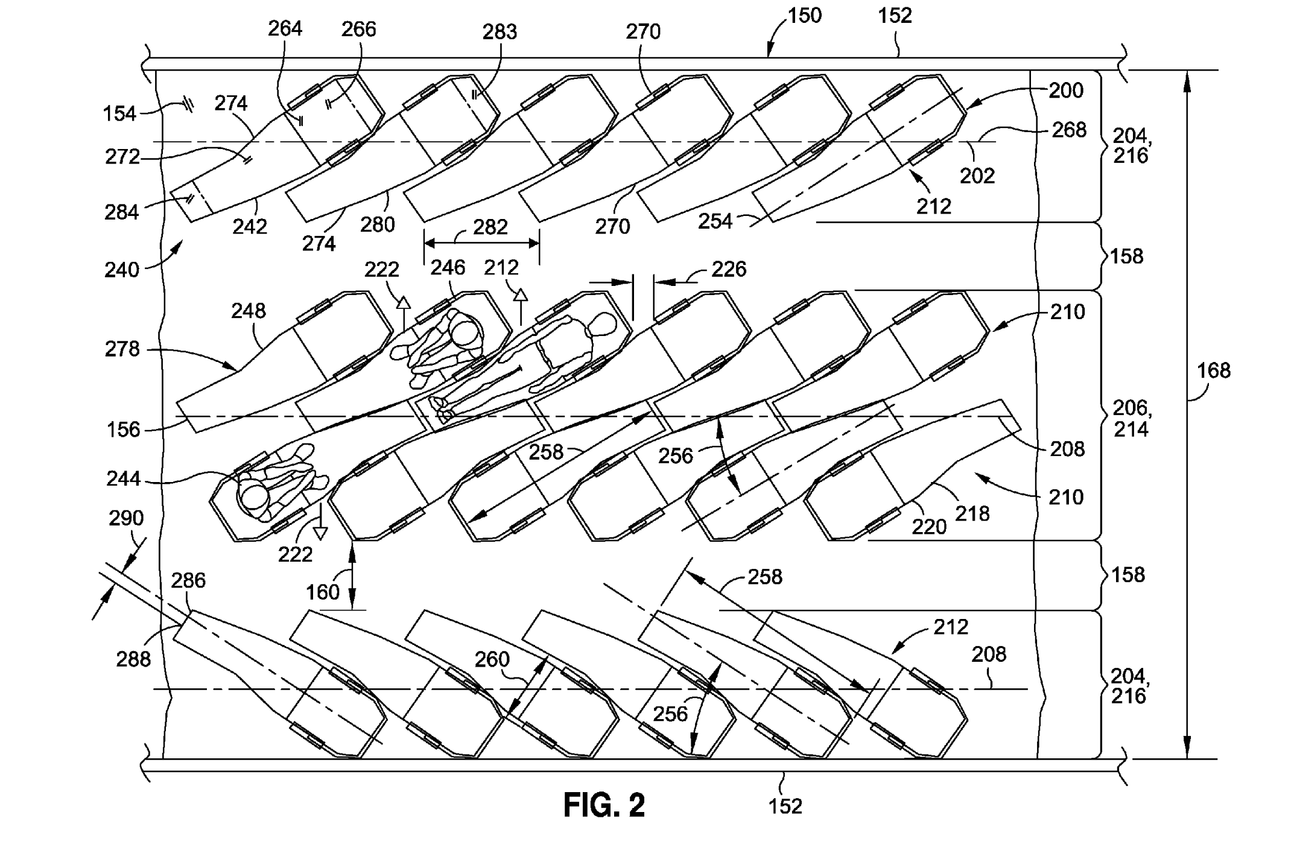
Boeing has found a way to put the squeeze on these high-paying passengers, by stacking as many as 12 travellers across a single row.
Boeing's US patent application shows as many as 12 passengers per row across a three-aisle jet.
This claustrophobic layout would rely on aircraft being designed with three aisles rather than the two aisles of today’s largest Boeing jets such as the 777 and the 787 Dreamliner – creating a 3-3-3-3 layout.
We stumbled across this scary scenario during a recent check of the United States Patent and Trademark Office website for recently-filed patents on aircraft seats and cabins.
That’s how we previously uncovered the original concept of what evolved into Finnair’s sofa-style AirLounge business class (from a patent filed in 2014)…
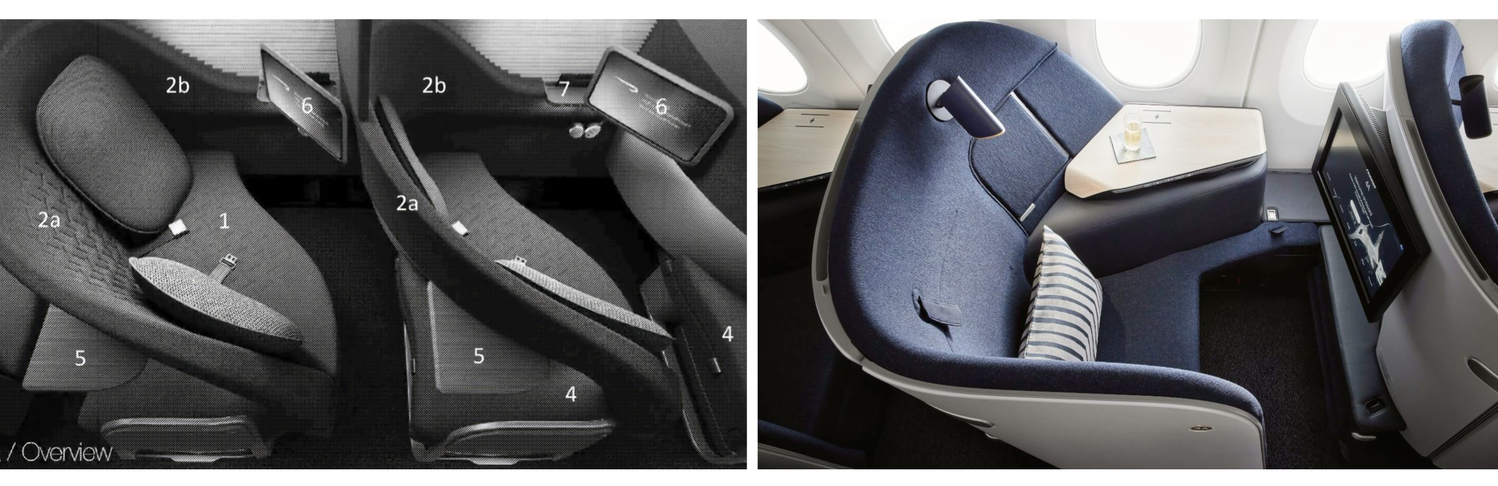
2014's business class sofa became Finnair's 2022 AirLounge.
… and more recently, Singapore Airlines’ next-gen Airbus A350 and Boeing 777-9 first class suites.

Part of Singapore Airlines' patent application for its new 777-9 first class cabin.
Read more: Leaked design reveals Singapore Airlines’ new first class
As to Boeing’s brilliant-or-bonkers idea, the patent application for this “passenger seating arrangement which maximises seat density” was actually filed back in 2017.
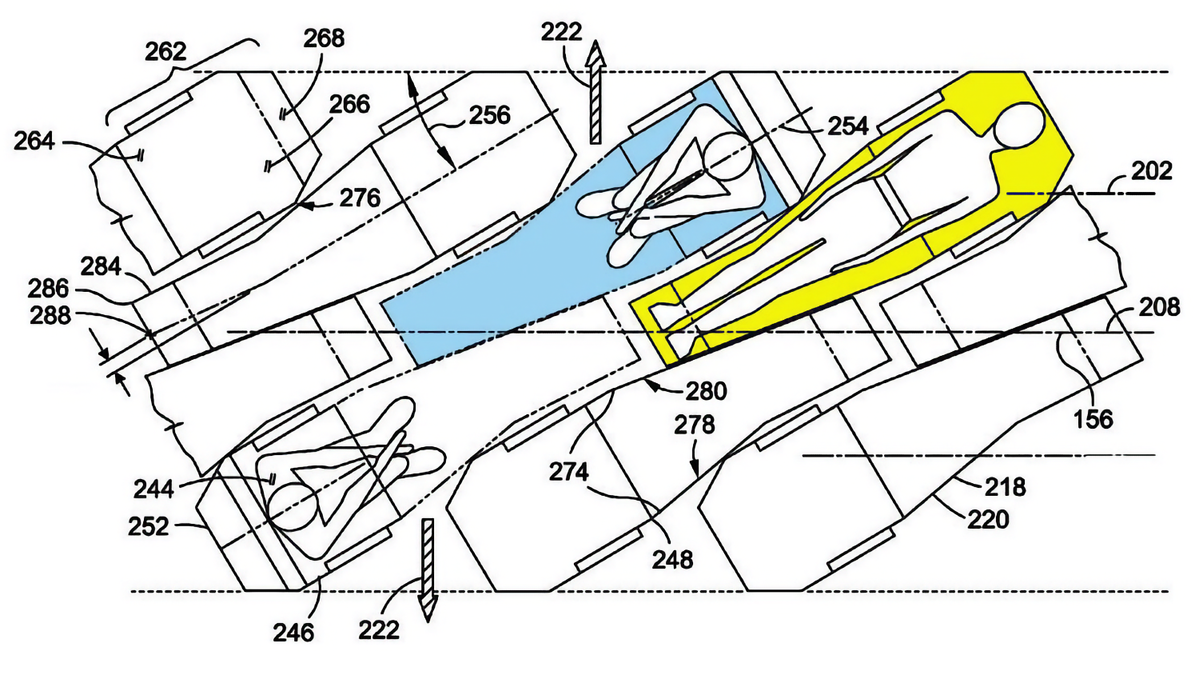
The tapered design of Boeing's high-density business class lets the seats dovetail together.
These ‘sardine-class’ seats still convert to a fully lie-flat bed, albeit with a noticeable taper from head to foot which could make sleeping on your side the only way to catch some rest.
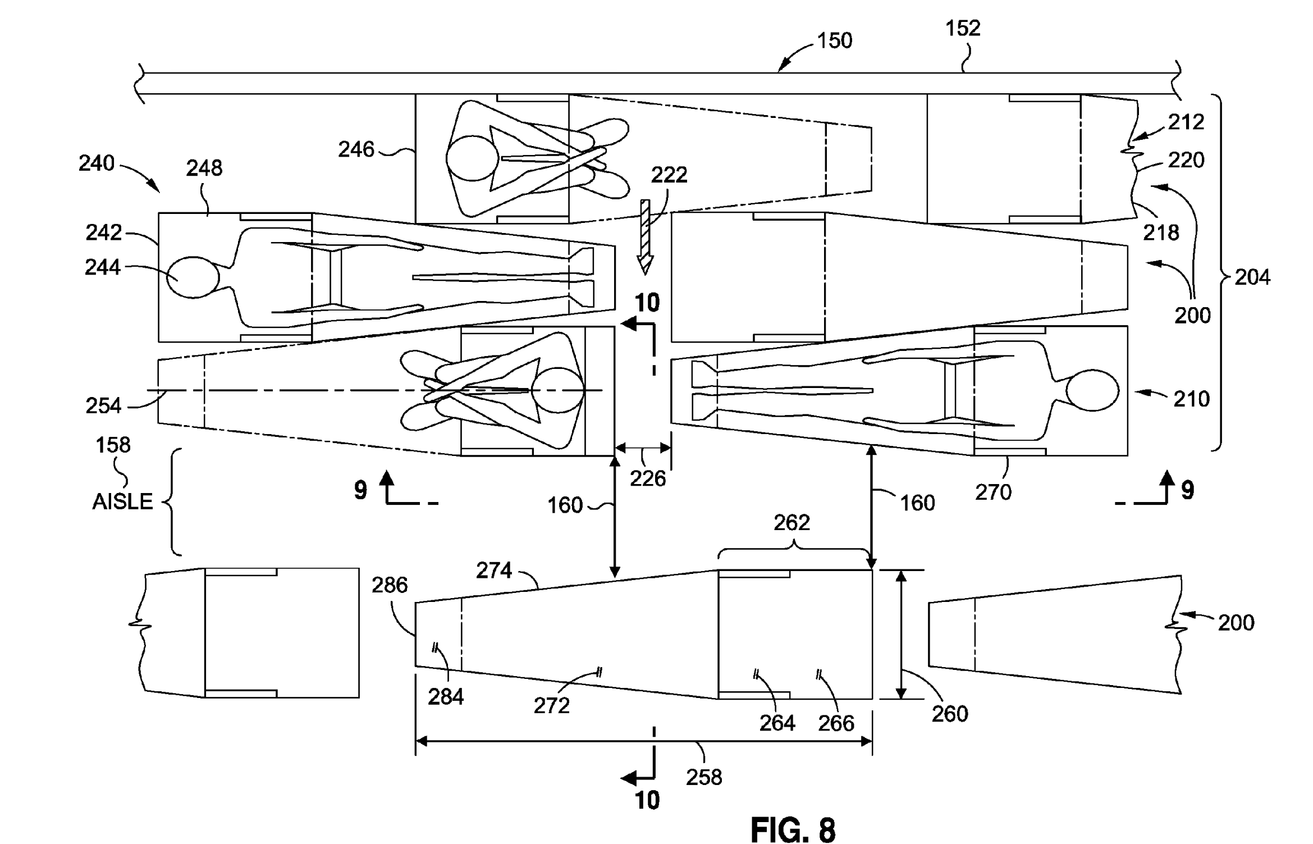
Despite the crowded layout, Boeing says these will all be flatbed seats.
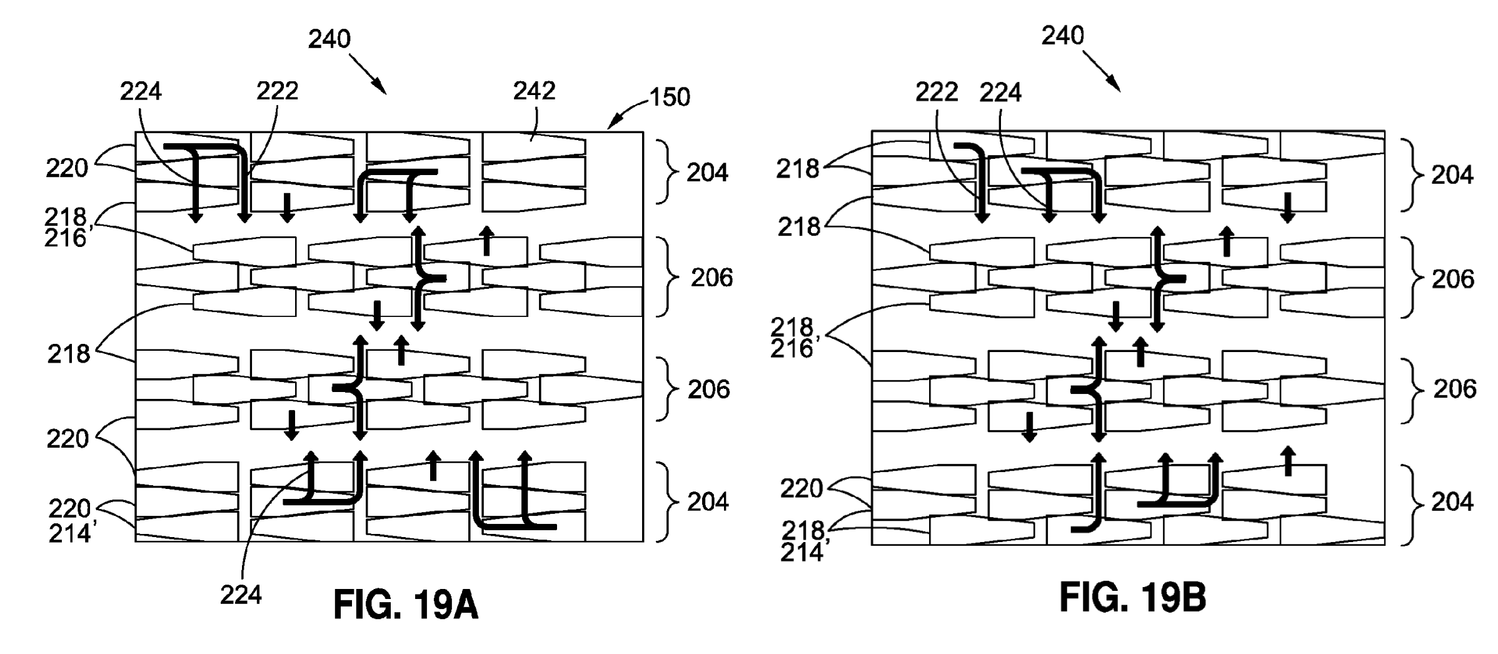
Boeing maintains that passengers would still have access to the aisle, as indicated by the arrows in each diagram.
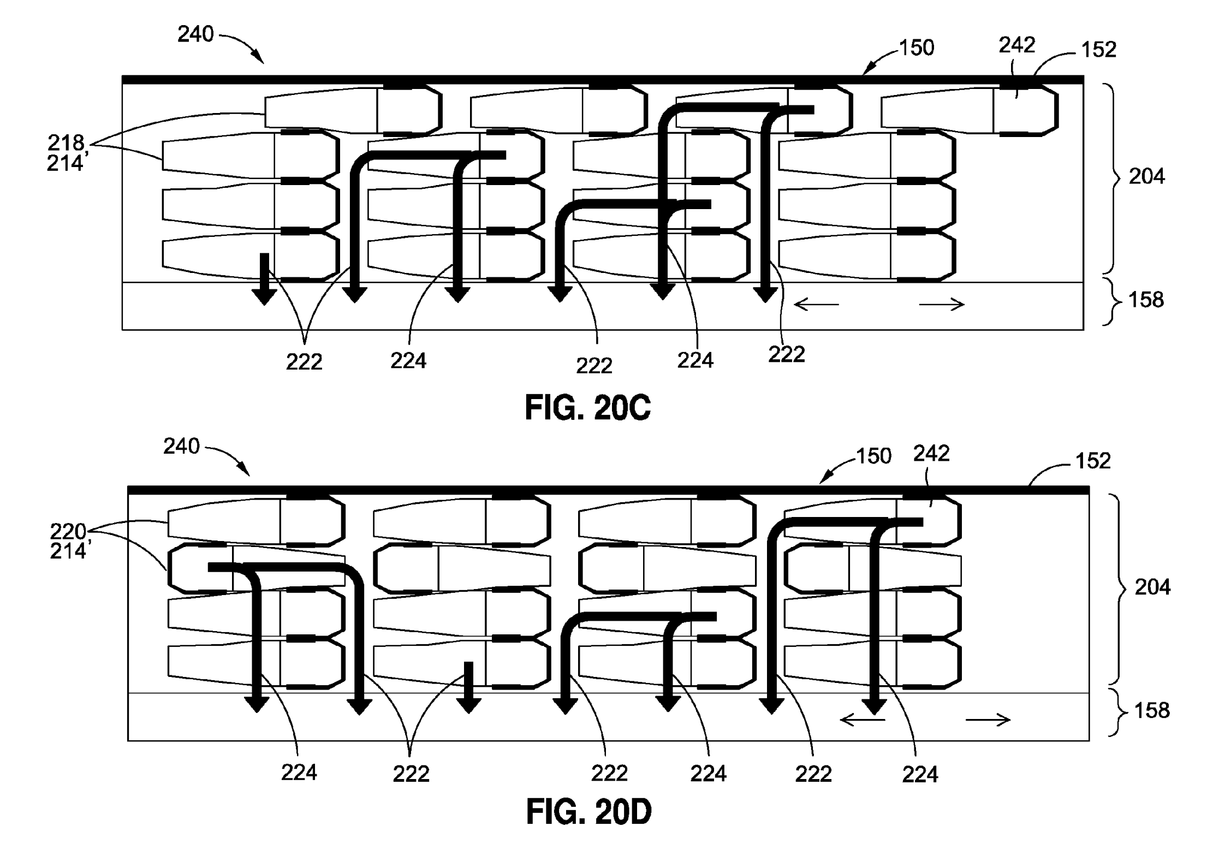
And you thought getting out of a peak-hour train was difficult...
However, this would clearly require a combination of careful steps and yoga-like contortions.
The company has outlined a dozen variations of the Tetris-like concept, based on these narrow beds adopting a staggered or dovetailed layout including reverse seating.
There are proposed treatments for single-aisle aircraft like the Boeing 737, with business class cabins featuring these seats in a 2-3 or 3-3 layout.
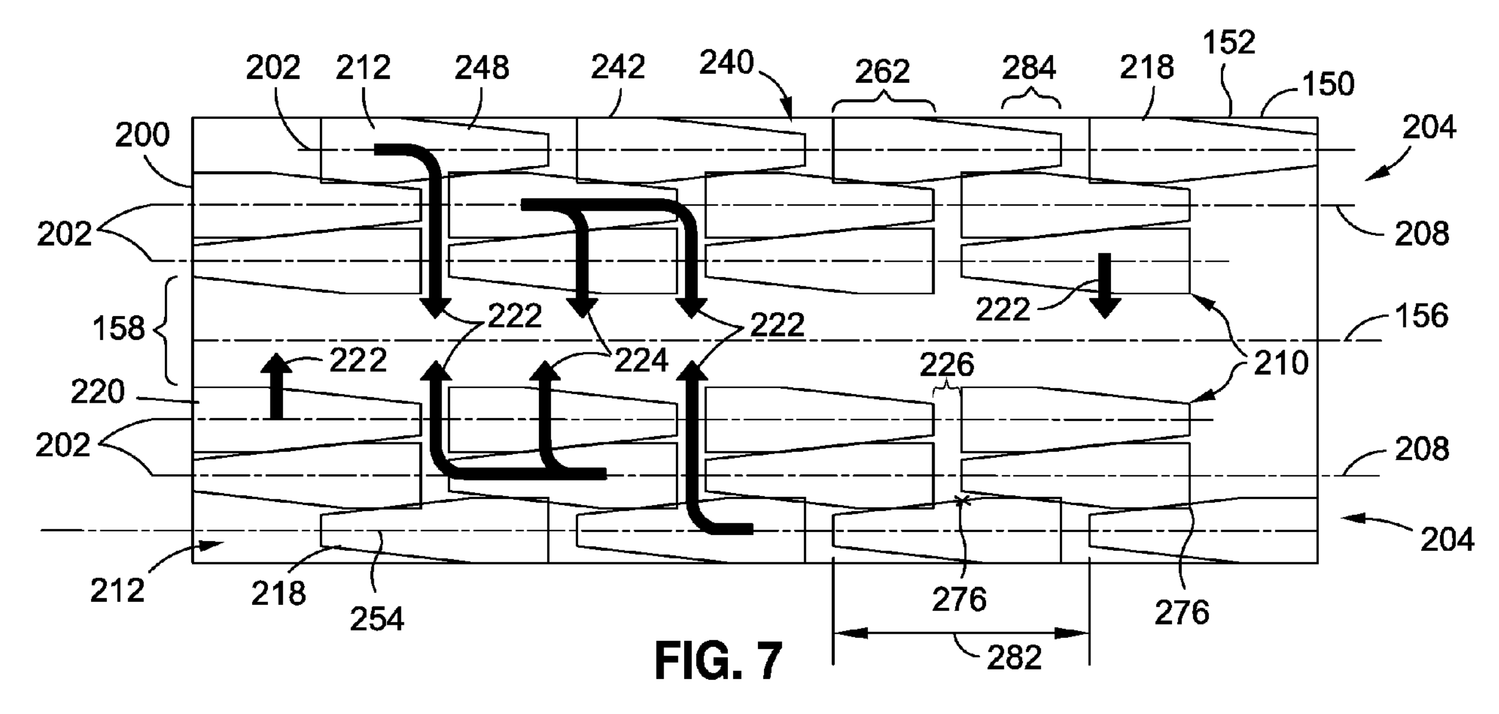
In a 737, Boeing's concept could deliver as many as six business class beds per row.
But the big wins are in the big jets.
Here, Boeing shows how its superhigh-density configuration could fit nine, ten or even twelve passengers into each row of a conventional twin-aisle plane, with crowded dorm-style setups such as 2-5-2, 3-3-3, 3-4-3 and even 2-6-2.
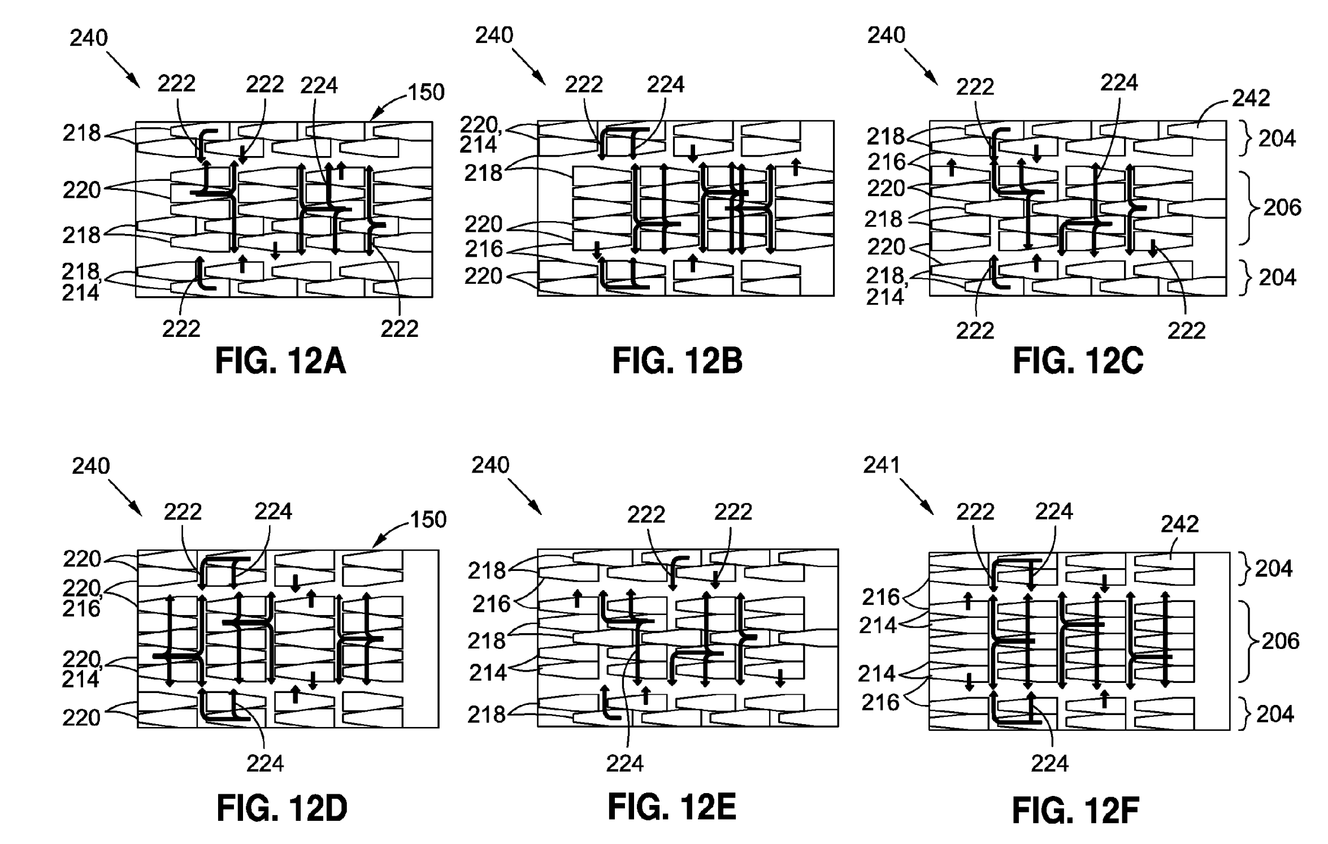
Several versions of a 2-5-2 configuration: you definitely won't want that middle seat.
The dream of number-crunching airline executives – and thus the nightmare of passengers – would of course be the twelve-across config.
By designing its 777 with three aisles instead of the conventional two, this design could accommodate a trio of seats on either side of each aisle: a packed 3-3-3-3 grid.
Three rows in the business class cabin combined with three-abreast seating.
The patent application also details a ‘seat configuration’ app so that airlines purchasing Boeing jets could easily see how many passengers they could squeeze into business class using this design.
Airlines would enter details such as the cabin’s physical width, minimum aisle width and desired dimensions of each seat, and also choose to allow reversed or staggered seating.
So would this concept ever fly?
Airlines could certainly not charge their regular high ticket price for business class if passengers were crammed into these close quarters.
But could this be a breakthrough for premium economy, with a new category of ‘premium economy plus’ where it’s all about that lie-flat bed?
Of course, filing a patent is much more about obtaining legal protection of an idea than an intent to put that idea into practice.
Maybe it’s best we hope that day never comes…