How Emirates plans to reinvent economy class
“We’ve got to do better than we’re doing at the moment,” says Emirates boss Sir Tim Clark.
By David Flynn, February 5 2026

Emirates is developing an all-new economy class seat which airline president Sir Tim Clark has described as a “game-changer” for travellers and the aviation industry.
And Clark wants to share the seat’s “out of the box” design with airlines around the world – including its rivals – by not taking out patent protection on the product.
“We’re not going to patent it,” Clark remarked on The Air Show podcast. “It’s for the good of all, really.”
The highly-respected aviation veteran, who is credited with building Emirates from a tiny two-plane start-up in 1985 to one of the world’s leading airlines, admitted “the (seat) manufacturer might choose to do that, (but) I’m not too bothered about that.”
“If you have to make money from patents, then you shouldn’t be in the airline business.”
Clark noted that Emirates’ current economy class seat is based on core design principles from “the early 1990s, and I think we did a very good job... those seats are still there today.”
“The difference is that the seat for our ultra-long (flights) has got to be more comfortable.”
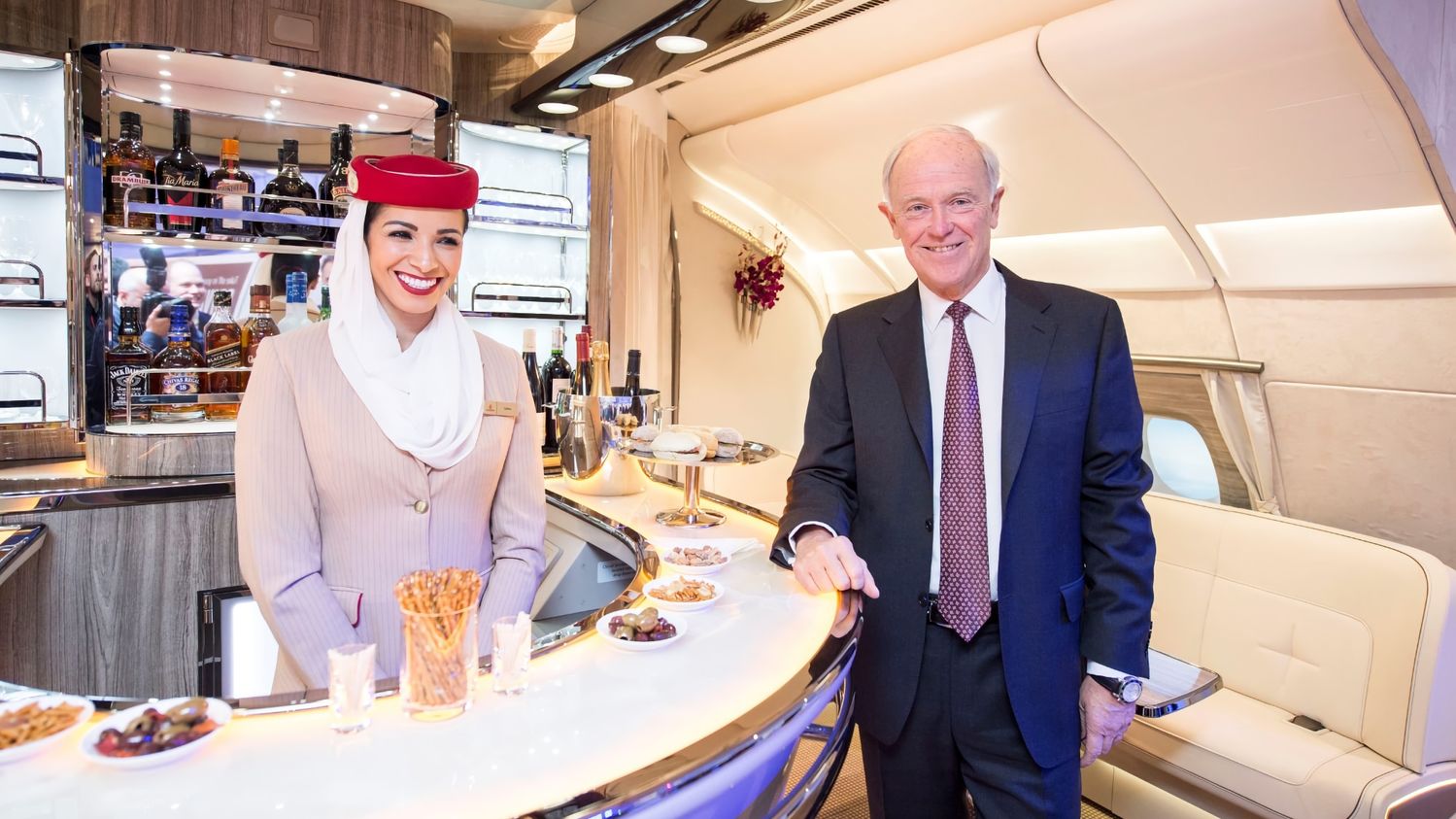
Emirates president Sir Tim Clark is turning his attention from business class cocktail bars to 'the back of the bus'.
And while Emirates continues to push ahead in the development of business and first class – including the debut of doored 777X business class suites – “I’ve never lost sight of economy, never will, because it is so important to what we do... 75%, 70% of our passenger loads are economy.”
Developing this all-new economy seat will be an expensive project, Clark admits.
But with the Emirates Group racking up record profits, including another all-time high of US$3.3 billion in the first half of the 2026 financial year, “we have the affordability to make (economy passengers’) lives better and share some of the loot, put it back, invest it into the fleet.”
Fixing the pain points of economy flying
So how will Emirates set about reinventing the economy class seat?
“We have to deal with all the things that really niggle the economy passengers, and particularly (for) long-haul travel,” Clark told Executive Traveller in early 2025.
“If you’ve got people sitting in a very tight cabin for 16-17 hours, we’ve got to do better than we’re doing at the moment.”
“The trick is to take modern technology, our learnings in (human) geometry and load, to be able to come up with a seat that will hopefully meet expectations.”
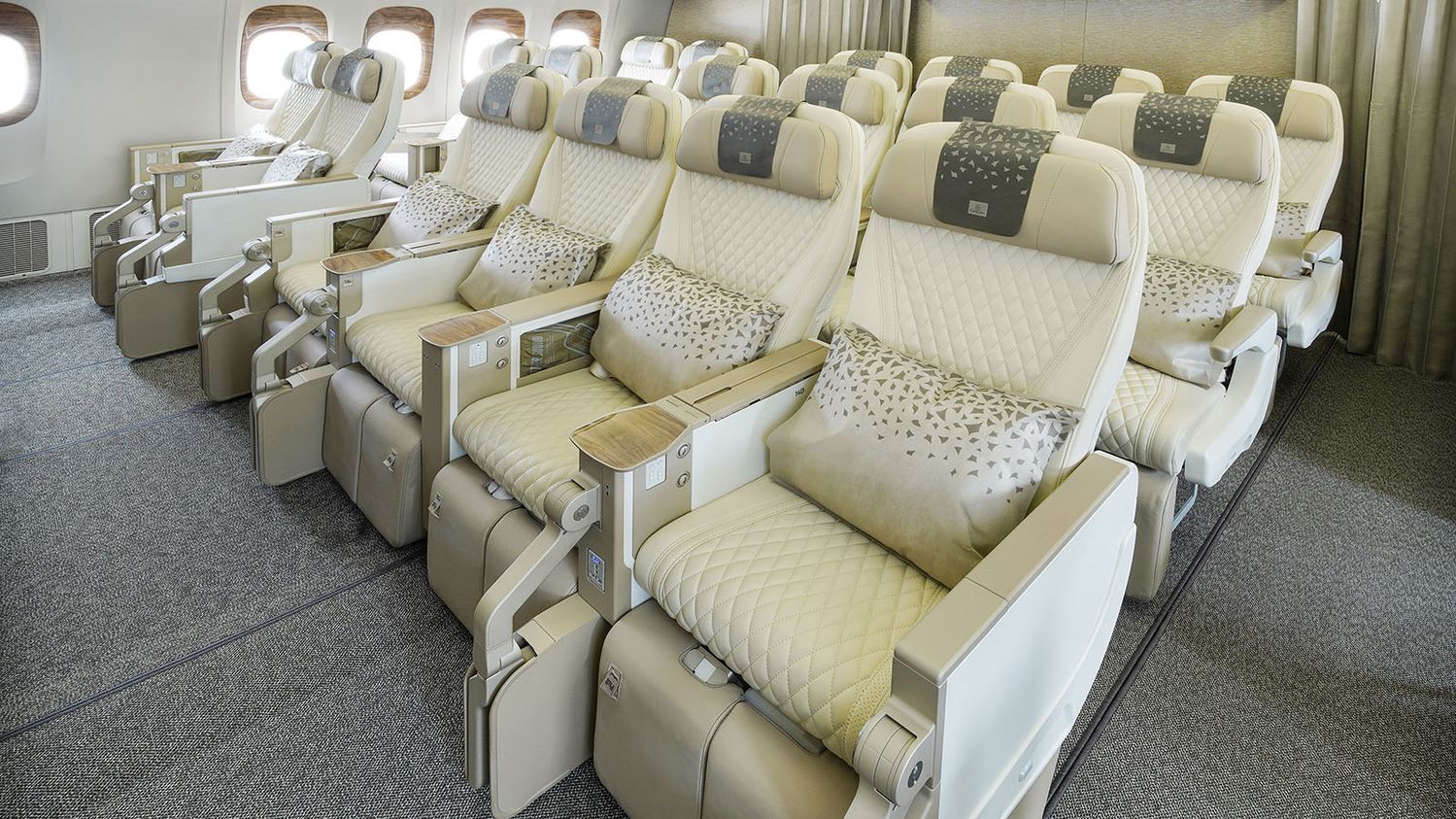
Emirates' premium economy is among the world's best – can the airline revolutionise economy in the same way?
Designing a new type of economy seat
Emirates has “taken the initiative on that,” Clark told Executive Traveller. “It requires a lot of seat geometry to come into play, and at the moment I’m confident I can get it out through the hangar doors.”
When it comes to “the understanding of the human body with regard to the ergonomics of long-haul flight, we know a lot more than we did then,” Clark expanded during the podcast.
“So if you rethink the whole, all the moving parts of a seat in economy, you can actually do a lot better than you’re doing today.”
“Without doing too much, we can make their lives a lot more comfortable, particularly on the long-haul, without too much weight gain, without too much expense.”
“If you get that right, you’ve hit the sweet spot.”
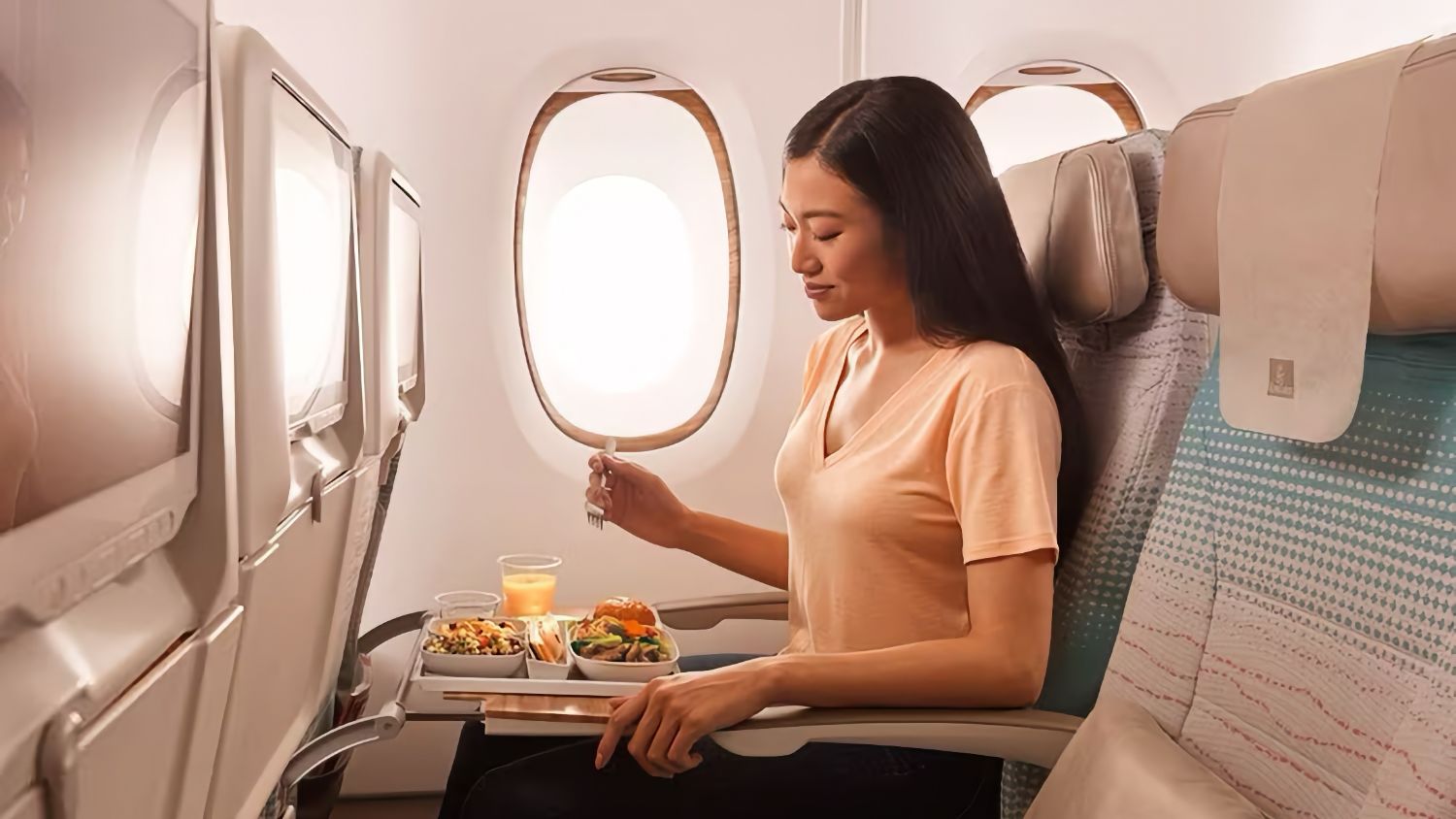
Clark: "If you've got people sitting in a very tight cabin for 16-17 hours, we've got to do better than we're doing at the moment."
Emirates has already developed a prototype of this next-generation economy seat, which has been doing the rounds of the seat manufacturers in the hope of bringing it to life.
But the task is proving to be quite a challenge, Clark admitted to Executive Traveller.
“I’ve been pulling the remains of my hair out,” he joked, in trying to get manufacturers to accept the changes he is proposing.
A significant hurdle remains in ensuring the seat can pass strict air safety regulations, and “I can't say whether that’s going to be successful or not... it’s not an easy process.”
Not wider, but taller...
Clark wouldn’t be drawn on specific details of Emirates’ next-gen economy seat - “I’m not saying how we’re going to do it,” he laughed – but he described the notion of a pre-recline, where the seat is initially reclined by several degrees as a starting point, as “difficult.”
He says the X-factor in the new economy seat was not likely to be making it wider, to accommodate a trend towards increased passenger girth.
Nor can passengers expect more legroom by having each row of seats spaced further apart – something any airline could do with today’s designs.
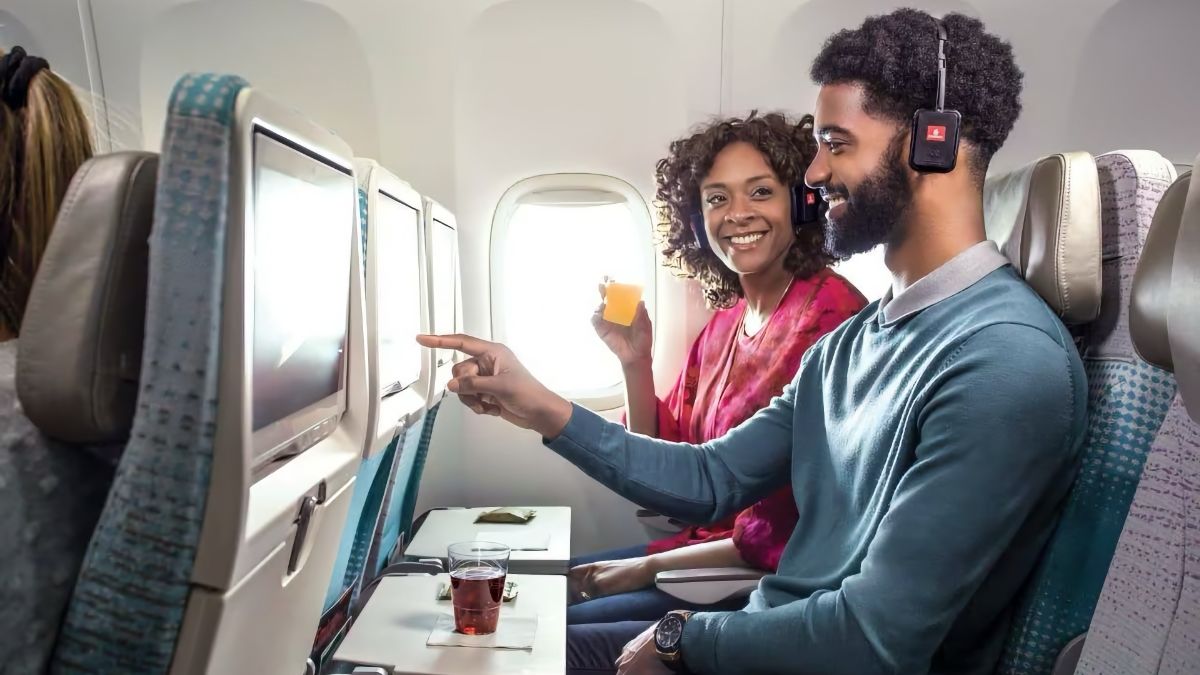
Emirates' concept economy seat retains the same seat width and pitch, but is taller than today's designs.
Instead, Clark sees some potential in making the seats taller.
“It’s very difficult, we’ve got the usual financial economic metrics to work with, but I still think we can do a lot better in the way we present the comfort of the seat, the way it moulds to the body, the way the feet are treated, the legs,” he has told The Australian newspaper.
“If you put four or five inches on the height of the seats, what could you play with if you did that? I’ve been told the cabin crew can’t see to the back, but (planes) have cameras everywhere now. The A380 is full of cameras.”
Also read: Why Emirates scrapped its Boeing 777X business class plans